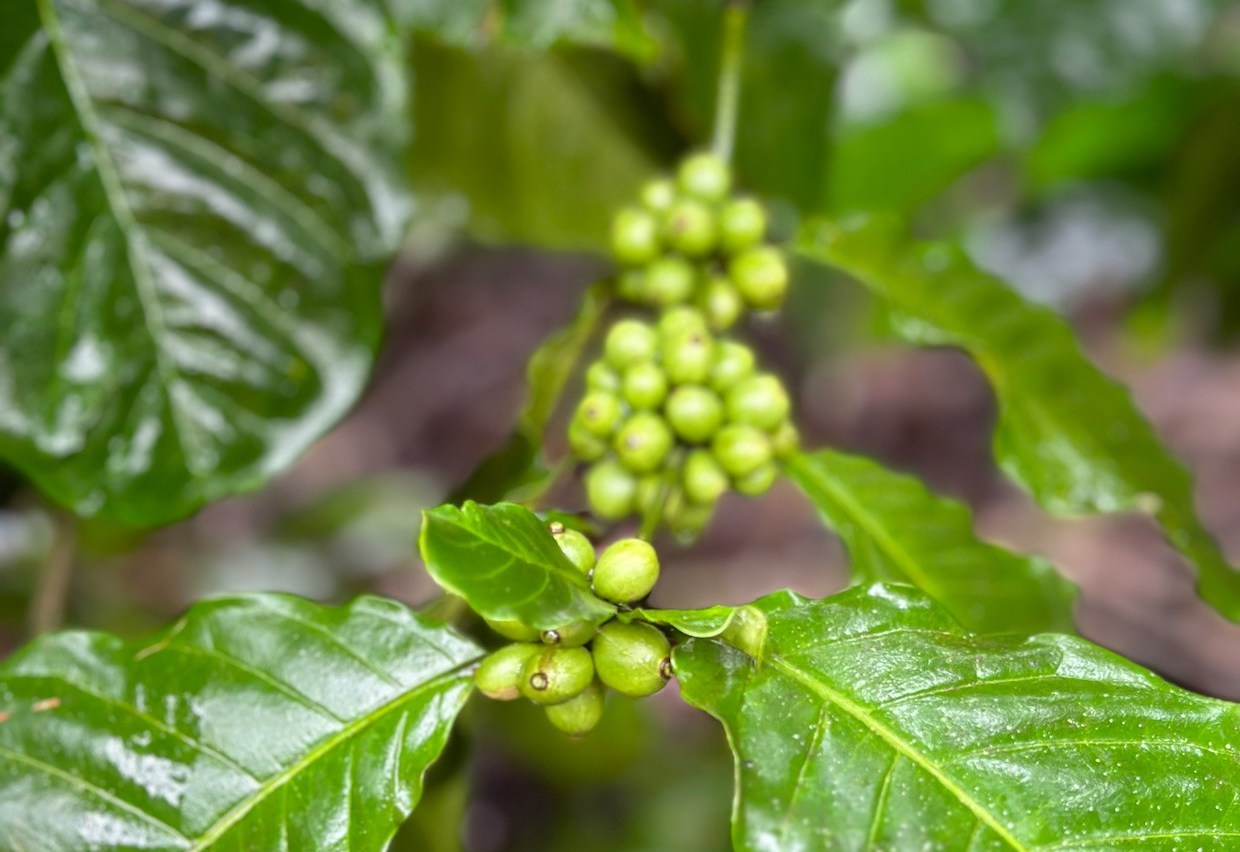
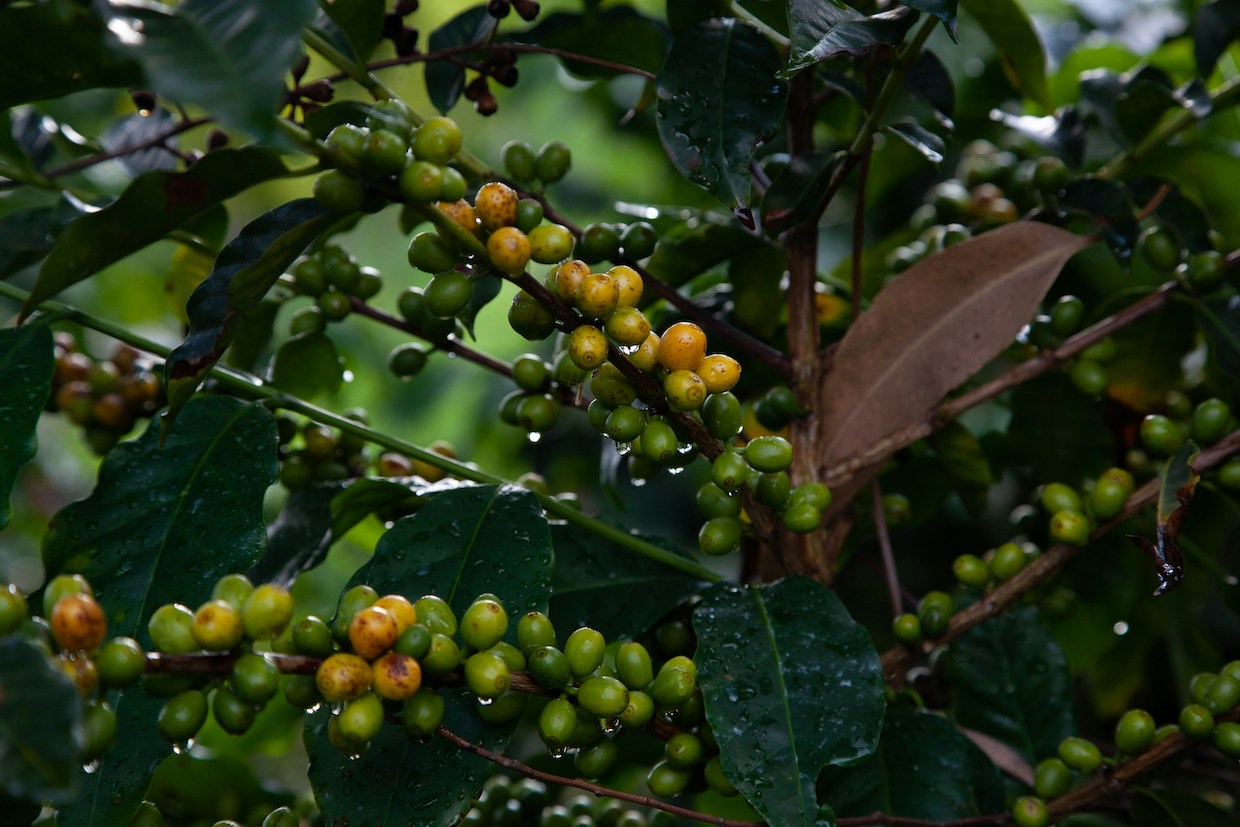
So it may come as another surprise that in a year, a single coffee tree only produces enough fruit to make about a pound of roasted beans. Coffee beans are actually seeds that form in fruits that are often about the size and color of cherries. After taking several years to mature, coffee trees produce around 2,000 cherries a year. With two seeds per cherry, that's about 4,000 raw coffee beans per harvest season. Once roasted, that yields around 1 pound of ready-to-grind beans.
A decade of farm-level data from Ethiopia's Gedeo Zone suggests coffee quality and yield are not dictated by a single factor such as altitude. Instead, the strongest quality signals may be traced back to multiple related factors affecting soil health, with results varying by micro-region. The study reinforces commonly held best practices in sustainable agricultural land management - such as the inclusion of shade - while rejecting the idea of a one-size-fits-all playbook for different growing areas.
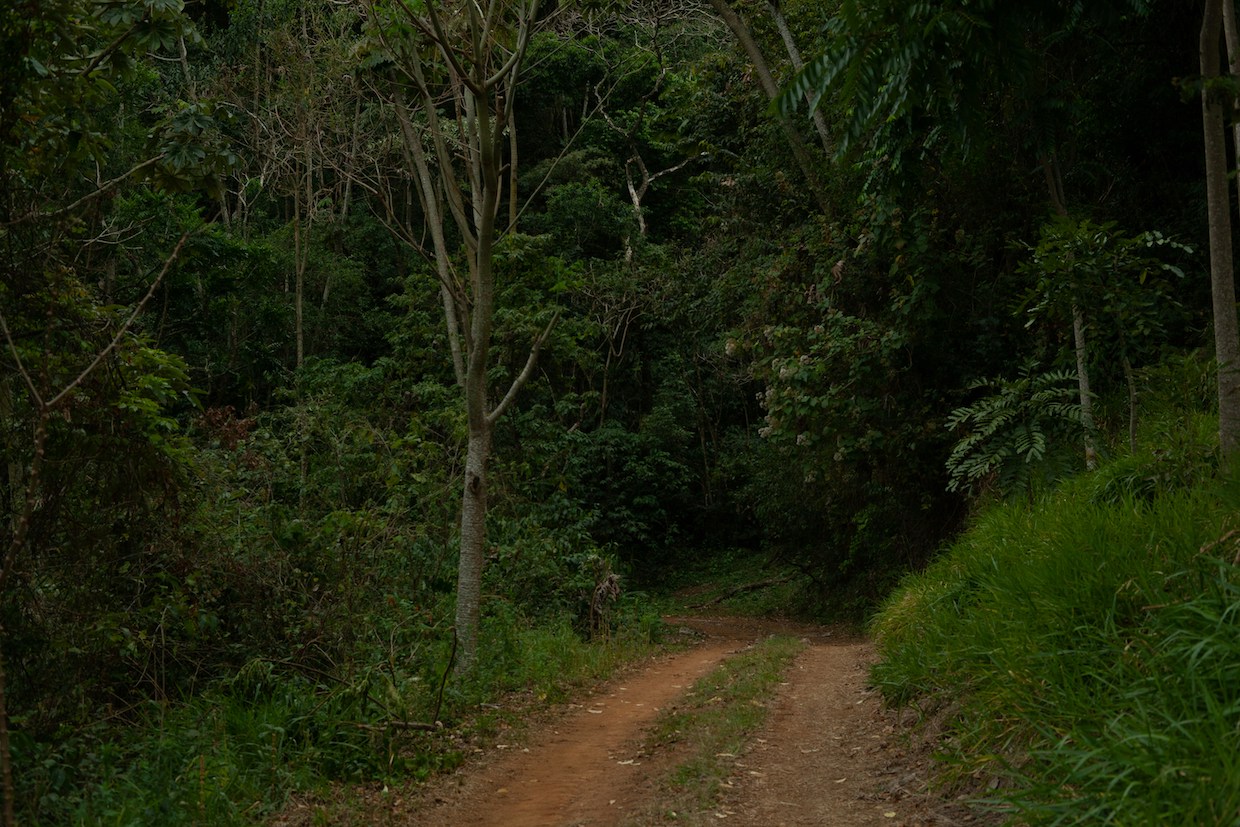
A new report from the nonprofit Coffee Watch says that modern coffee production in Brazil continues to be a significant driver of deforestation, with hundreds of thousands of hectares of native forest cleared inside coffee farm boundaries since 2001. Beyond the global implications for biodiversity and climate change, the continued loss of forest in key coffee regions presents economic threats to the Brazilian coffee sector, driving a cycle of drought and yield volatility, according to the report.
California Coffee Collective has successfully grown and harvested coffee in Ventura County, California. They converted avocado land to grow limited stock coffee, highlighting innovative agricultural practices.
Tanzania's coffee production is projected to increase to 1.45 million 60-kilogram bags during the 2025/26 market year, driven by favorable weather and improved farming practices.