#clean-air-act
#clean-air-act
[ follow ]
#endangerment-finding #environmental-policy #california #xai #epa #electric-vehicles #greenhouse-gases



fromSlate Magazine
2 months agoTrump's Move to Demolish Demolish Greenhouse Gas Standards Is Based on a Lie
The text of the Clean Air Act and robust congressional debates at the time of its enactment bely EPA's central justification for repealing the endangerment finding and the greenhouse gas emission standards for motor vehicles-that the Clean Air Act of 1970 was concerned only with local and regional pollutants. It wasn't. But EPA's repeal contains even more flaws. In particular, the agency relies on three key Supreme Court climate change cases to support its action but mischaracterizes each of them.
US politics








fromTruthout
3 months agoNew Lawsuit Challenges Trump's Exemptions for Polluters
Last spring, the Environmental Protection Agency made a surprise announcement: President Donald Trump would consider giving some polluters exemptions from a handful of Clean Air Act rules. To get the ball rolling, all it would take was an email from a company making its case. The EPA set up a special inbox to receive these applications, and it gave companies about three weeks at the end of March to submit their requests for presidential exemption.
Environment
Public health
fromNonprofit Quarterly | Civic News. Empowering Nonprofits. Advancing Justice.
3 months agoThe Polluters Down the Street-EPA Changes Put Lives at Risk | Nonprofit Quarterly | Civic News. Empowering Nonprofits. Advancing Justice.
Air quality monitoring and Clean Air Act regulations have reduced PM2.5, prevented hundreds of thousands of early deaths, and improved average life expectancy.
History
fromwww.mercurynews.com
4 months agoToday in History: December 17, Black motorcyclist beaten to death after leading police chase
December 17 marks multiple significant historical events, including Arthur McDuffie's 1979 beating, France recognizing U.S. independence (1777), and the Wright brothers' first flight (1903).
Environment
fromwww.theguardian.com
6 months agoAll operational US liquefied natural gas terminals have violated pollution limits, says report
All fully operational US LNG export terminals violated federal pollution limits in recent years, revealing widespread noncompliance with air and water pollution controls.
California
fromStreetsblog
7 months agoNewsom Names GM CEO Mary Barra as Villain in Fight with Feds over Air Quality - Streetsblog California
Governor Gavin Newsom blamed Mary Barra and Republican actions for setbacks in California's EV policy while retreating from a 2024 promise to protect EV subsidies.
fromHarvard Gazette
7 months agoHow Supreme Court may get chance to re-examine landmark climate ruling - Harvard Gazette
The Supreme Court is expected to get a chance to take a second look at a landmark 2007 decision that paved the way for federal regulation of greenhouse gas emissions from motor vehicles, power plants, and other sources. But this time, legal scholars say, a shift in the makeup of the court may lead to a much different outcome, one that could have far-reaching implications for the nation's battle against climate change.
Law
fromArs Technica
10 months agoxAI faces legal threat over alleged Colossus data center pollution in Memphis
For instance, if all the 35 turbines operated by xAI were using add-on air pollution control technology to achieve a NOx emission rate of 2 ppm-as xAI's consultant agreed it would-they would emit about 177 tons of NOx per year, as opposed to the 1,200 to 2,100 tons per year they currently emit, the letter said.
Alternative transportation
#california

California
fromStreetsblog
11 months agoSee You in Court: California Sues to Protect Clean Air and Emission Standards from Federal Overreach - Streetsblog California
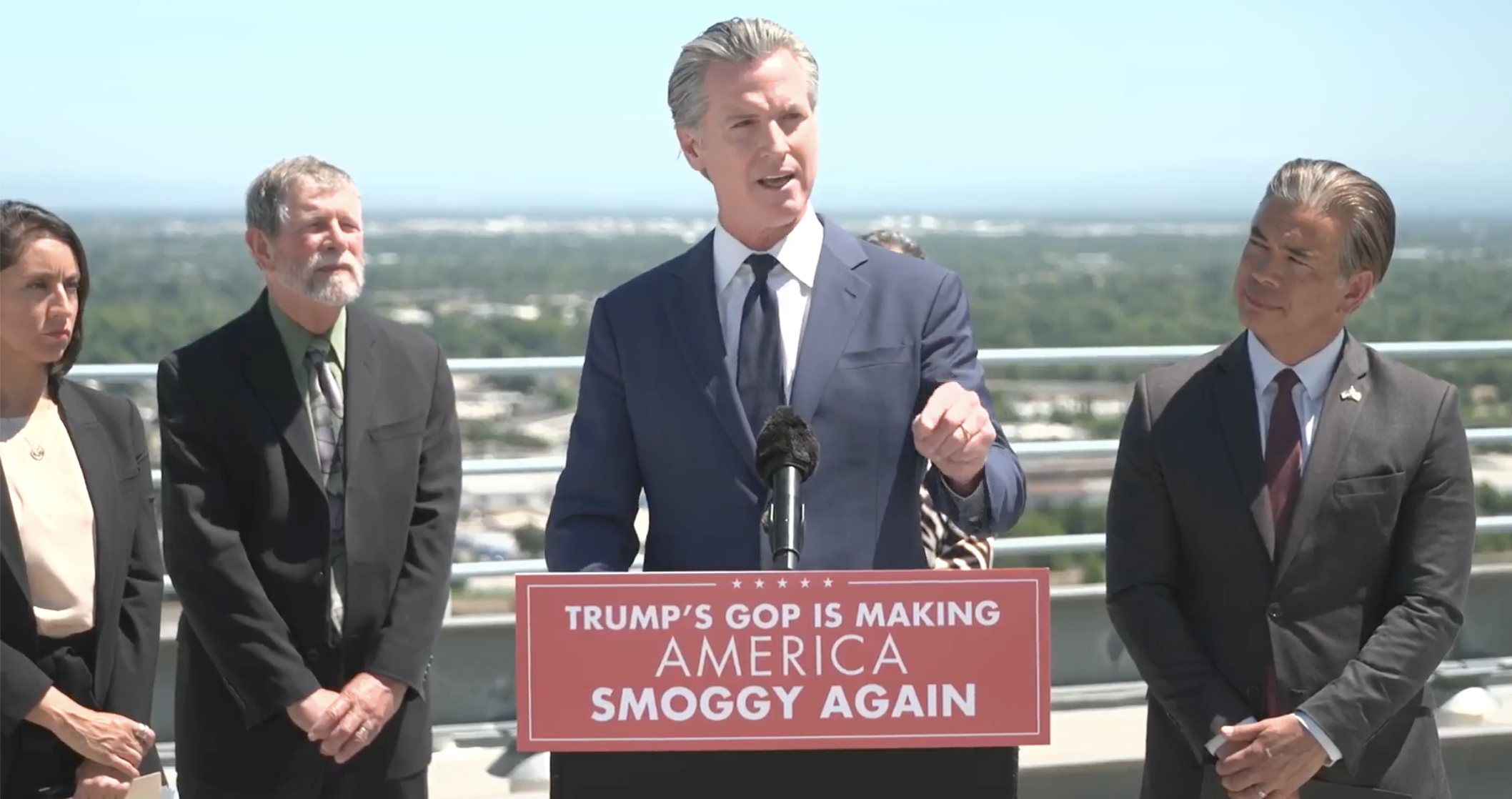
California officials intend to sue the Trump Administration after the Senate rescinded EPA waivers allowing stricter clean air standards.
SF politics
fromFast Company
11 months agoHouse Republicans broke years of precedent-and possibly the law-to kill California's right to clean air
Republicans voted to block California's electric-vehicle mandates, challenging its authority over emissions standards, which may disrupt environmental and public health protections.
Environment
fromwww.nytimes.com
1 year agoAlmost Half of Americans Breathe Unhealthy Air, Report Finds
156 million Americans are exposed to unsafe air quality according to the American Lung Association.
Regulatory rollbacks could worsen air quality issues.
The Clean Air Act has significantly improved public health.
Many Americans still face serious health risks from pollution.
[ Load more ]