Cars
frominsideevs.com
10 hours agoMazda Is Already Behind On EVs. Now, It's Delaying The Next One In Favor Of More Hybrids
Mazda delayed its first long-range EV to 2029 or later after making no major production steps before the change.
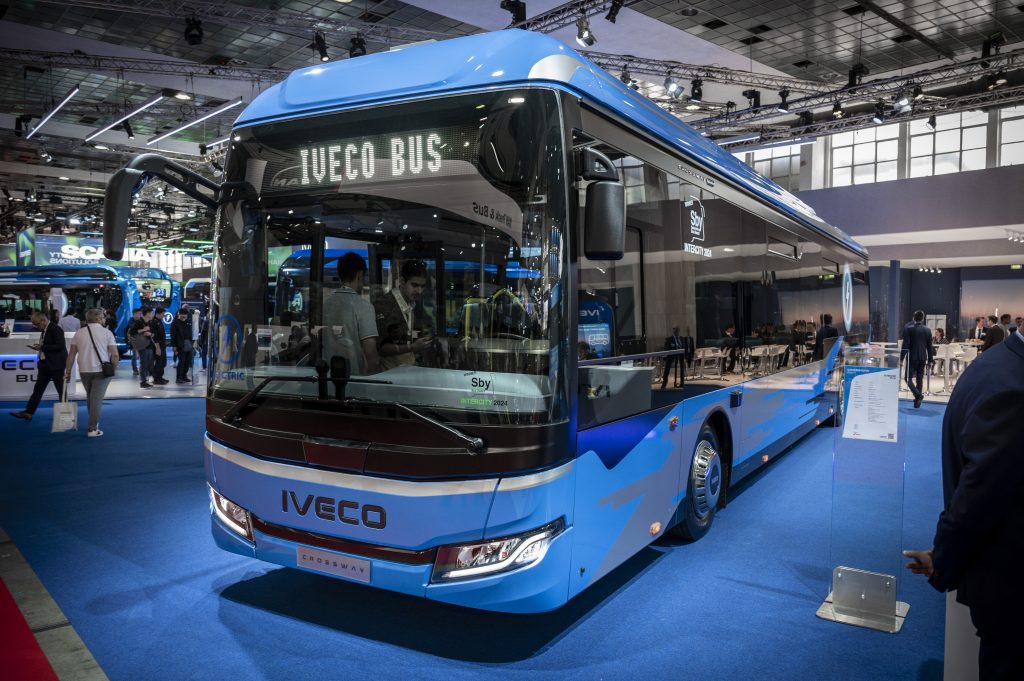
The contracts mark the first Norwegian orders for Volvo Buses' latest long-range electric coach platform based on the Volvo BZR Electric chassis paired with a Carrus Delta body. The vehicles will be deployed in tour and charter, airport shuttle and cruise passenger transport services, expanding the presence of battery-electric solutions in long-distance coach operations in the country.
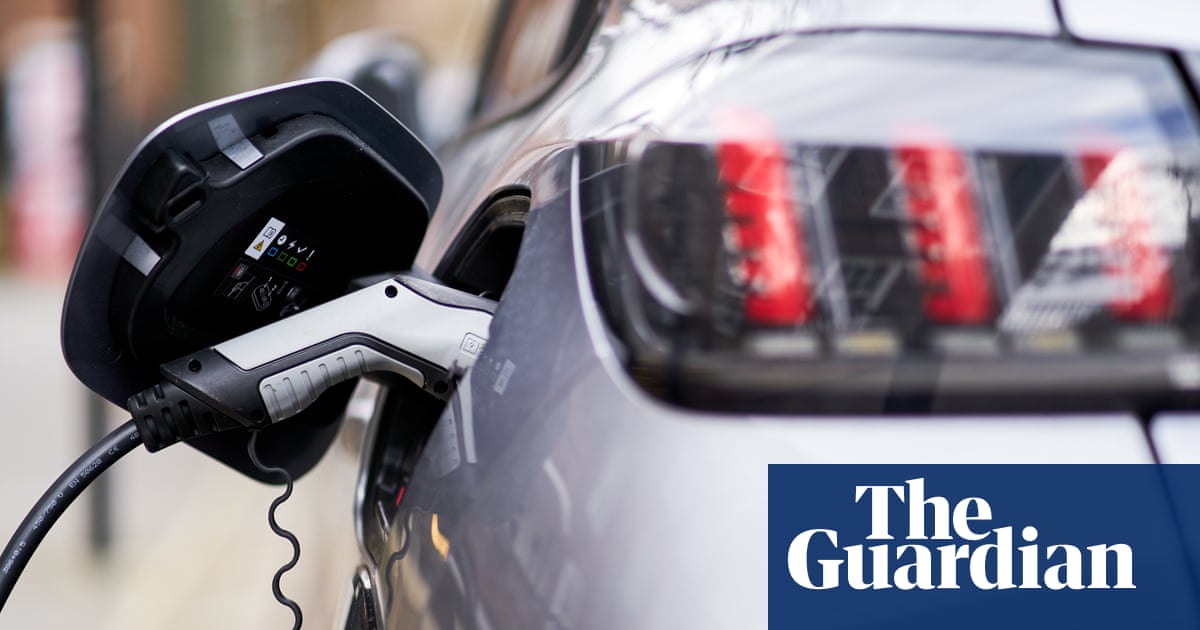
The number of diesel cars on Great Britain's roads in June had fallen to 9.9m in June last year, 21% below its peak of 12.4m vehicles, according to analysis by New AutoMotive, a thinktank focused on the transition to electric cars. Electric car sales are still growing rapidly, albeit more slowly than manufacturers had expected. However, the transition to cleaner vans is lagging behind cars, and the number of diesel vans has continued to rise, to a record 4.4m.
Tesla privately warned the UK government that weakening electric vehicle rules would hit battery car sales and risk the country missing its carbon dioxide targets, according to newly revealed documents. The US electric carmaker, run by Elon Musk, also called for support for the used-car market, according to submissions to a government consultation earlier this year obtained by the Fast Charge, a newsletter covering electric cars. The Labour government in April worried some electric carmakers by weakening rules, known as the zero-emission vehicle (ZEV) mandate.
Japanese carmaker Toyota said on Wednesday it will invest 680 million euros ($792 million) on a new production line in the Czech Republic to make a battery electric car.The line will be built with a government incentive of up to 64 million euros ($75 million) to expand Toyota's existing plant in Kolin, around 50 kilometers (31 miles) east of Prague, the Czech government and the company said in a joint statement.
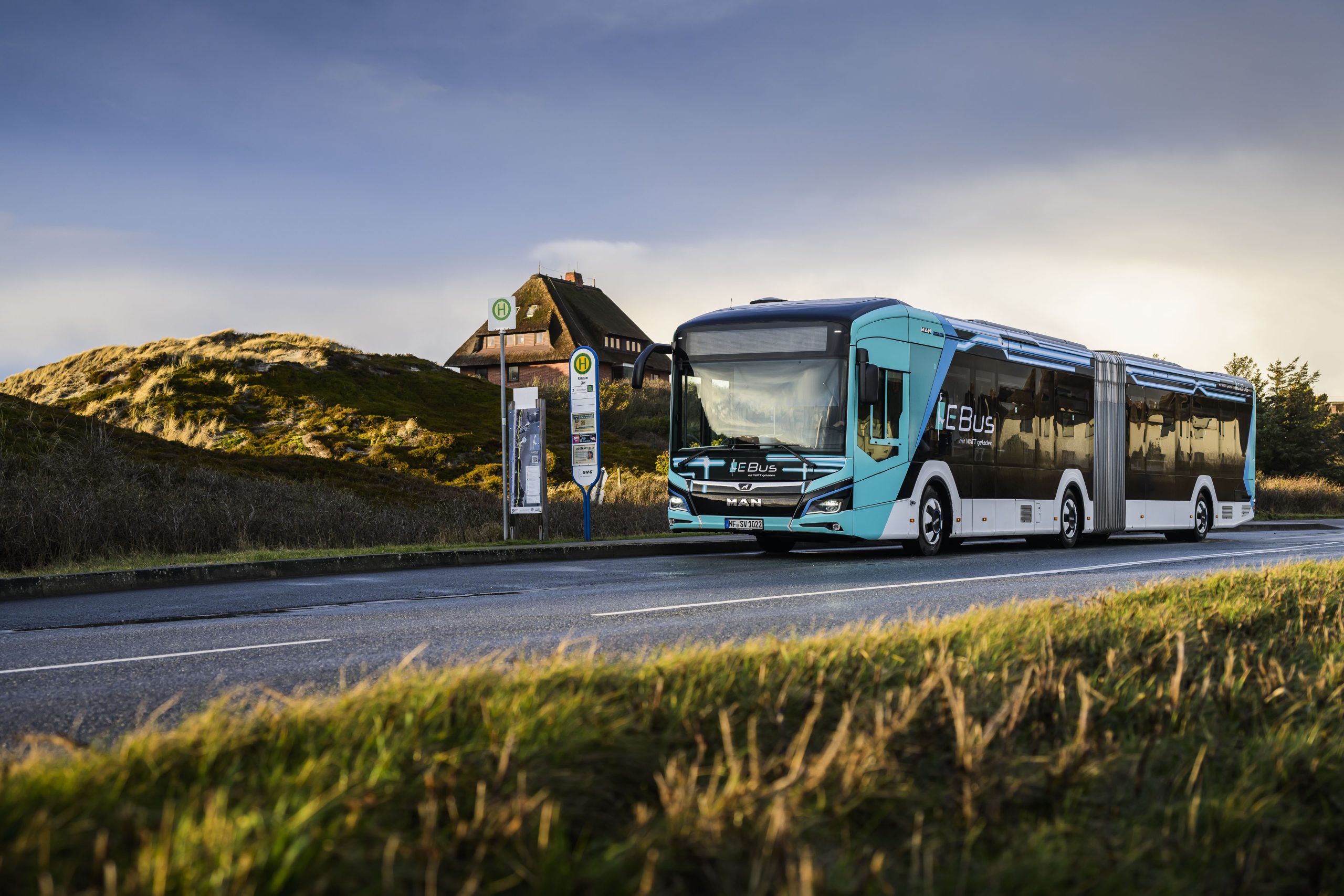
By 2030, zero-emission buses and coaches in Europe could reach 108,000, forecasted by the European Commission and analysis partners, indicating strong growth in electric vehicle adoption.