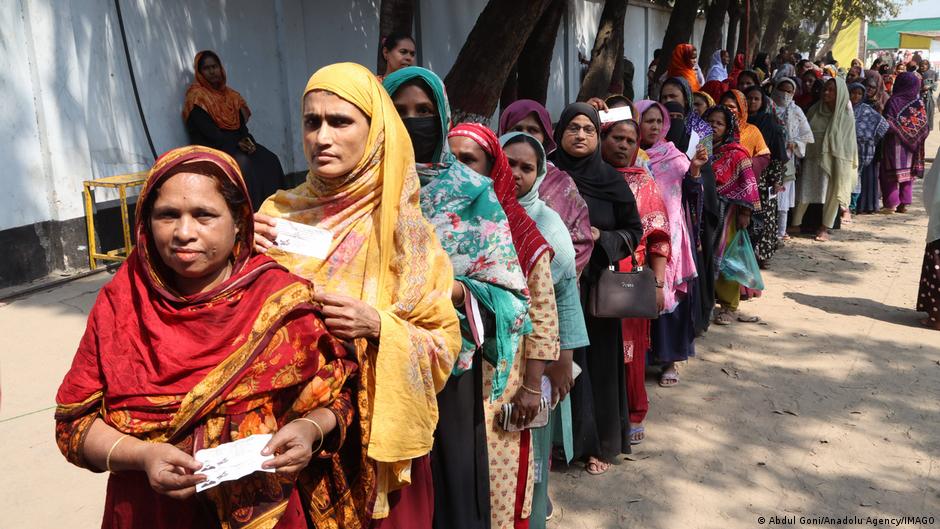
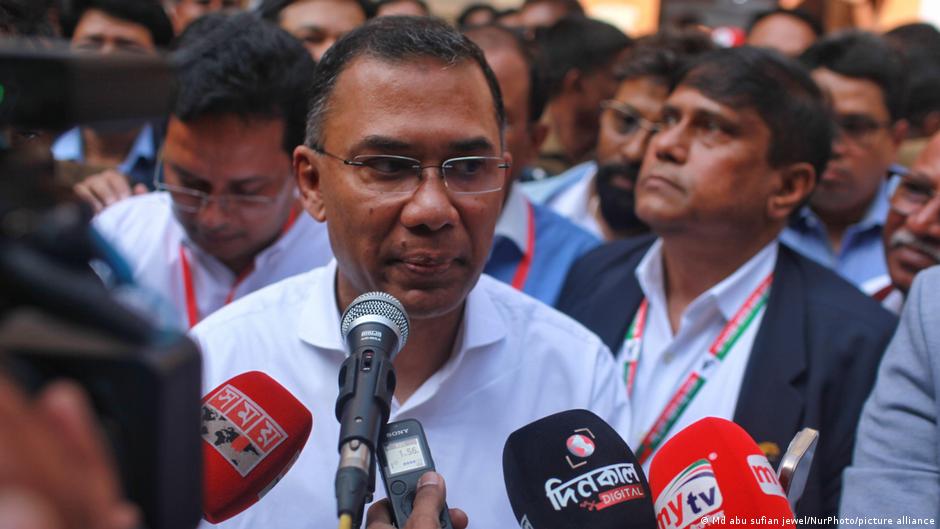
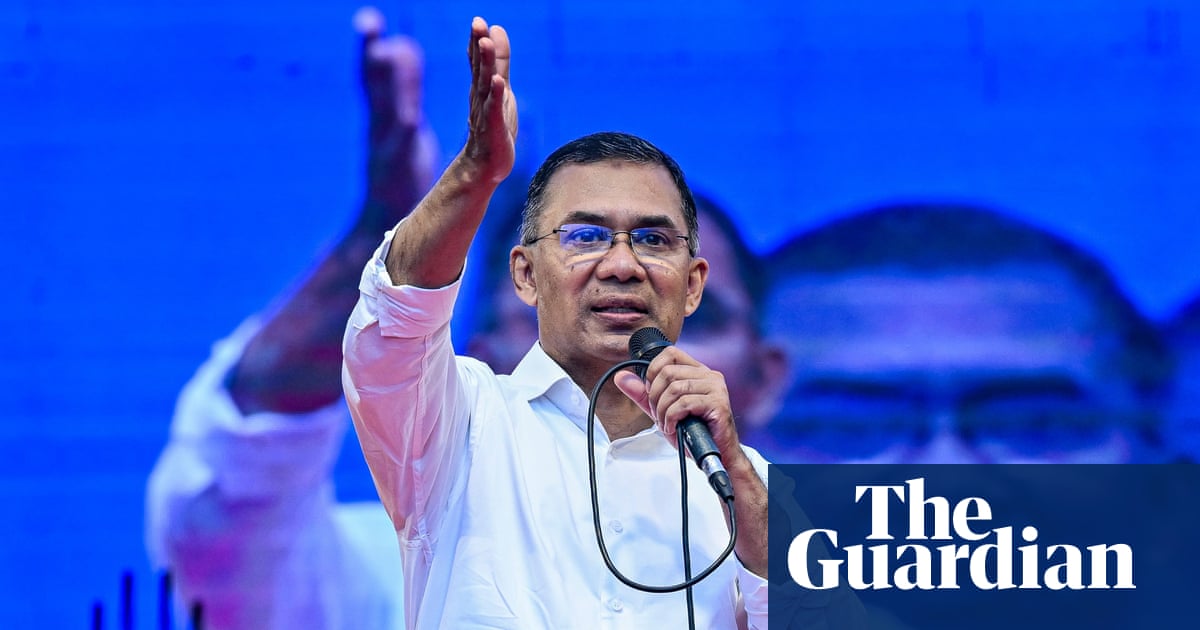
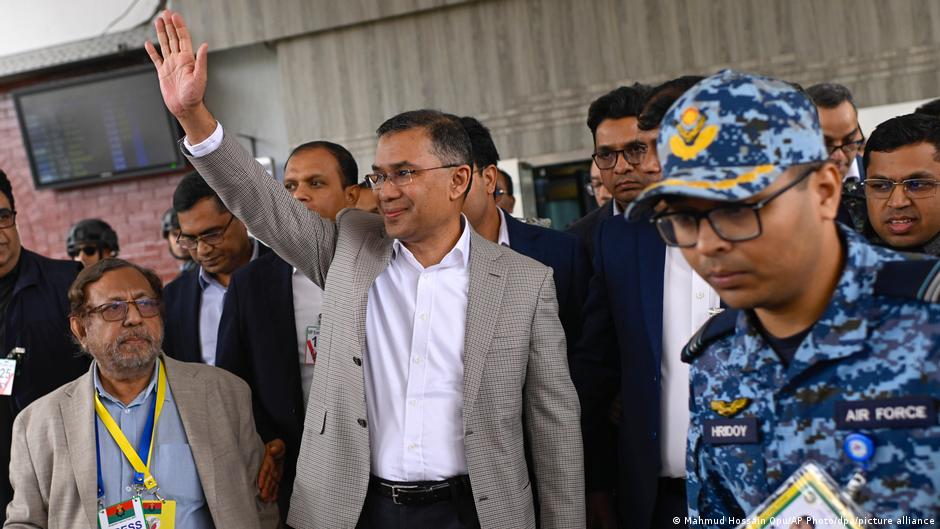
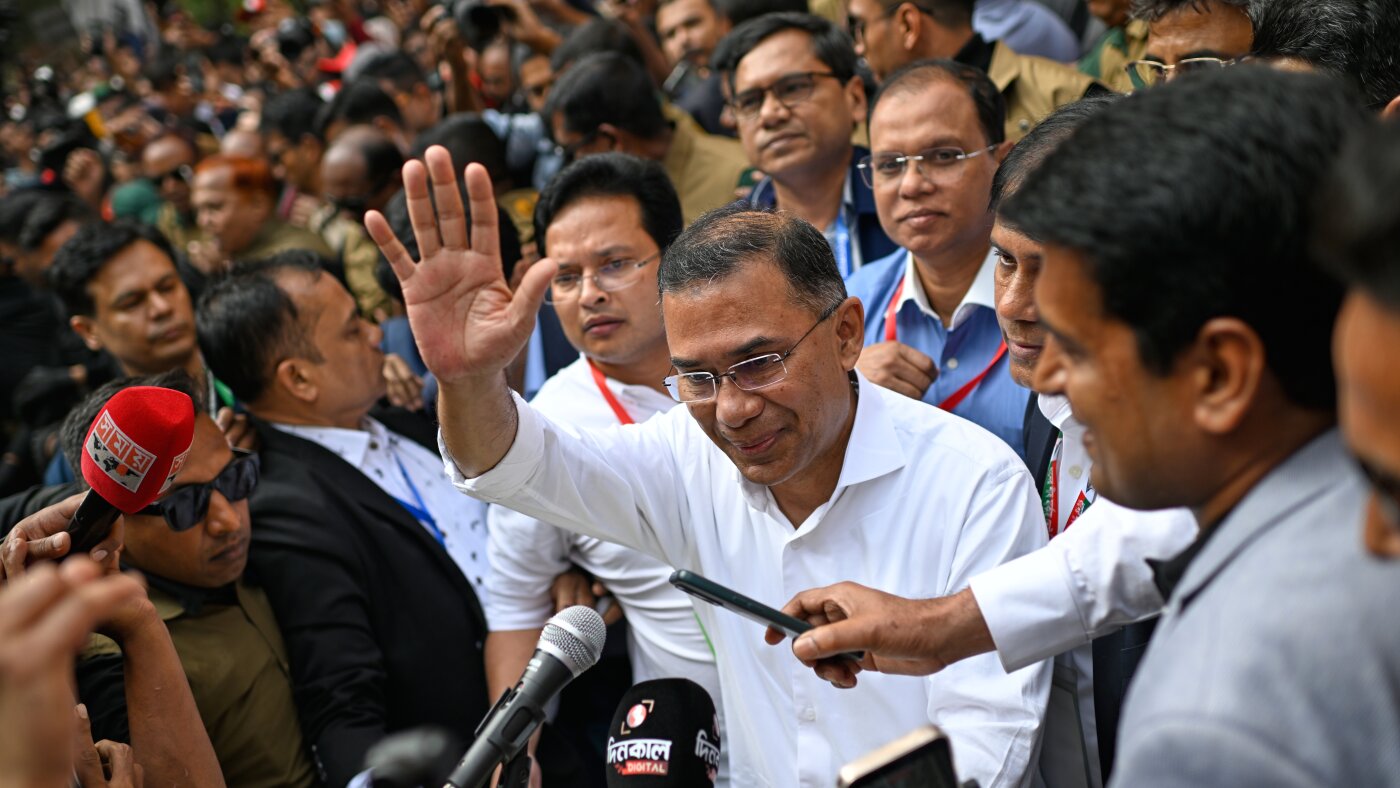
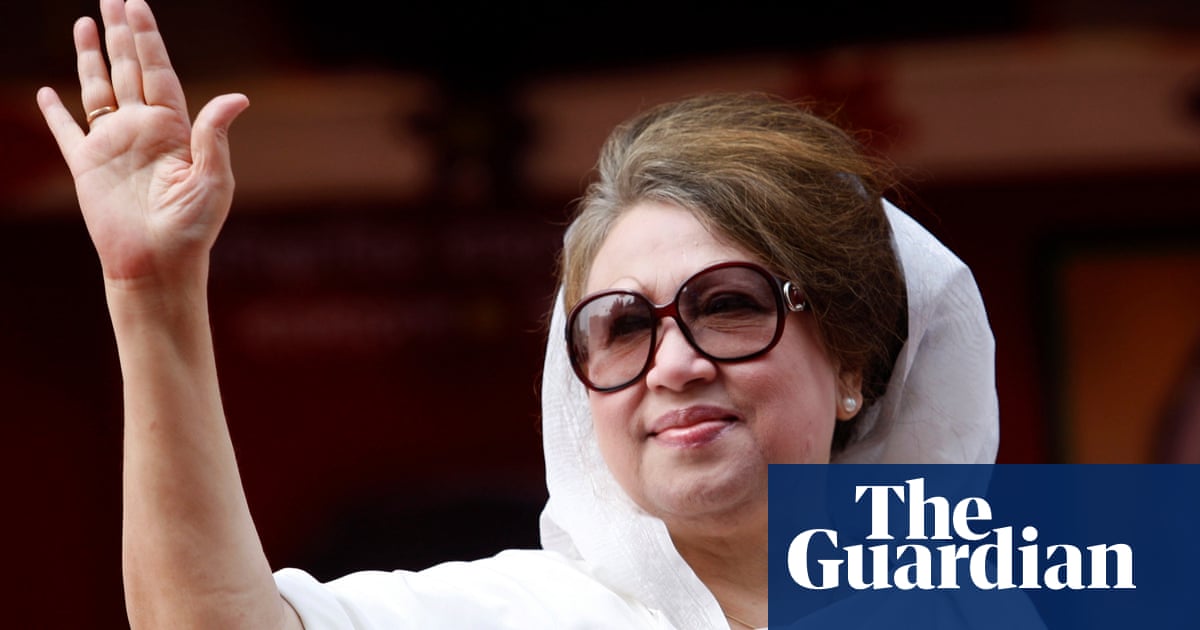
An 85-year-old Nobel Peace Prize winner, Yunus returned from self-imposed exile in August 2024 to serve as Bangladesh's chief adviser after a student-led uprising toppled the government of Prime Minister Sheikh Hasina. Bangladesh held its first general elections since that uprising on February 12, and the Bangladesh Nationalist Party (BNP), led by Tarique Rahman, won a landslide victory. Yunus praised the recent elections, which European Union observers called credible and competently managed as a benchmark for future elections.
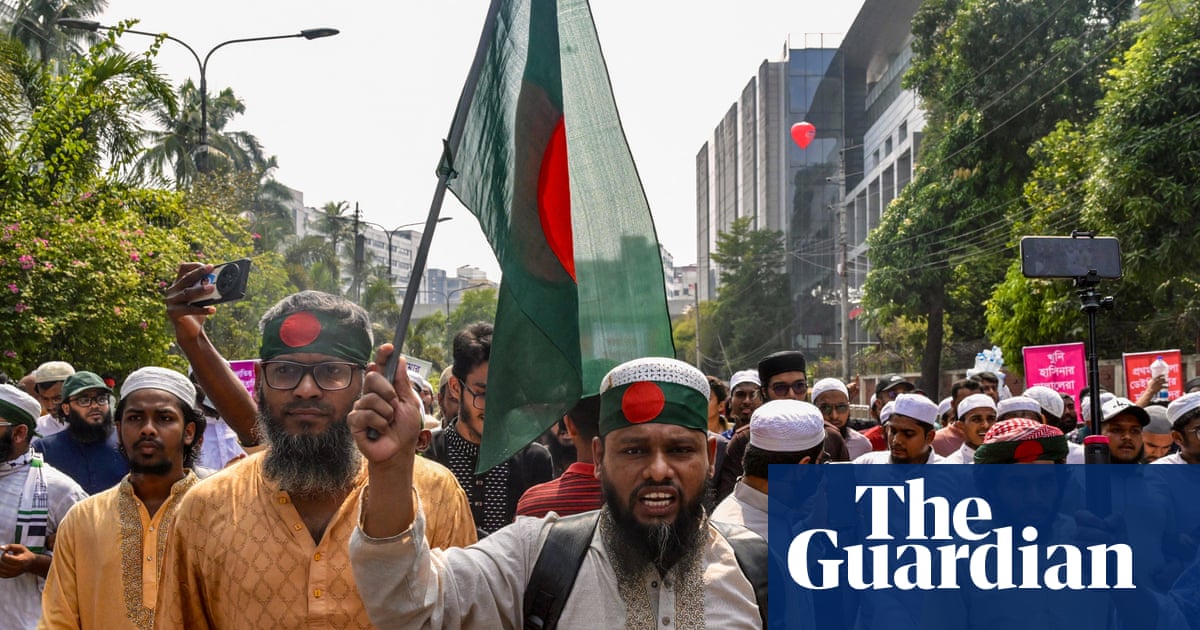
Nahid Islam was just 26 when he stepped up to a microphone at Dhaka's Shaheed Minar, a national monument, on August 3, 2024, and uttered a single rallying cry: Hasina must go. Student-led demonstrations had begun weeks earlier over a government job quota system that reserved a large share of coveted civil-service posts for special groups, including descendants of 1971 liberation war veterans, leaving too few merit-based opportunities for everyone else.
On Wednesday evening in Dhaka, Shafiqur Rahman, the emir [chief] of the Bangladesh Jamaat-e-Islami, unveiled an ambitious election manifesto. A key promise: If his party wins the country's February 12 election, it would lay the ground for Bangladesh to quadruple its gross domestic product (GDP) to $2 trillion by 2040. Addressing politicians and diplomats, the 67-year-old Rahman pledged investment in technology-driven agriculture, manufacturing, information technology, education and healthcare, alongside higher foreign investment and increased public spending.
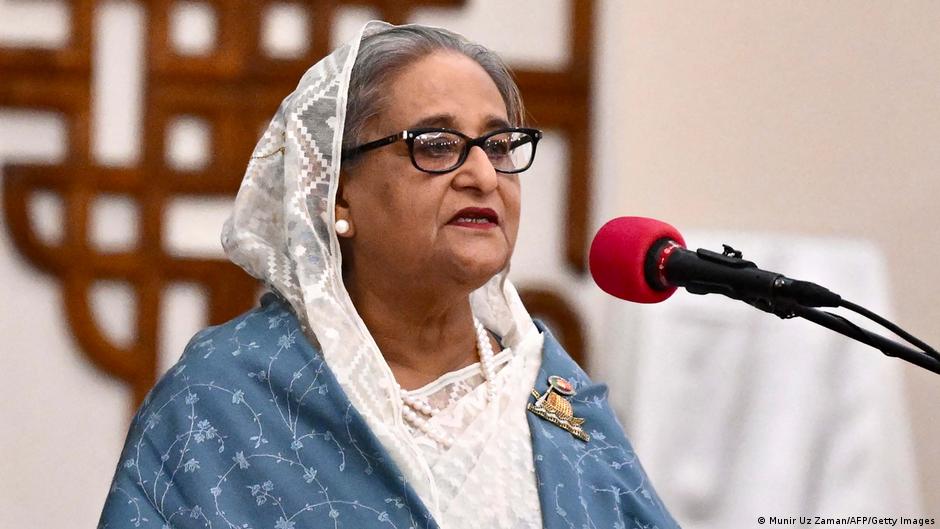
Three days after the student-led protests forced Hasina to resign, Muhammad Yunus, Bangladesh's only Nobel laureate, took over as the country's interim leader, tasked with stabilising a fractured country after one of its bloodiest upheavals that killed more than 1,400 people. Yunus, now 85, framed his mandate narrowly but ambitiously: restore a credible electoral process, and build consensus around reforms aimed at preventing a return to authoritarian rule by balancing power among different state institutions.
When Sheikh Hasina was ousted as Bangladesh's prime minister in August 2024 after a student-led uprising, many in the country believed the darkest days of enforced disappearances and extrajudicial killings were finally over. The interim administration, led by Nobel Peace Prize laureate Muhammad Yunus, sworn in on August 8 last year, arrived on promises of justice, reform and an end to state violence.