#americas-changes
#americas-changes
[ follow ]

Psychology
fromSilicon Canals
20 hours agoThe quietest kind of exhaustion belongs to people who translate themselves into a different version for every social context in a single day, and by evening they aren't tired from activity, they're tired from the number of identities they had to maintain - Silicon Canals
Identity-switching fatigue is a modern epidemic caused by the need to perform different roles throughout the day.




:max_bytes(150000):strip_icc()/TAL-vermont-AMERICANDREAMST0226-7998ea80df7e4f24af8021314483dee5.jpg)

fromwww.amny.com
2 days agoNYC's economic resilience' masks a deeper crisis involving fleeing residents and taxable income: new report
The latest CBC tracker found that between 2019 and 2023, New Yorkers who moved out of the city made $68 billion more than those who moved in, indicating a significant income shift.
NYC politics
Healthcare
fromFortune
3 days agoHome healthcare is propping up the labor market, but fewer hours, high burnout, and an immigration crackdown threaten to topple it | Fortune
Home healthcare workers are crucial yet underrepresented, facing unsustainable conditions amid the aging baby boomer population, impacting the broader economy significantly.
Psychology
fromSilicon Canals
1 day ago5 things people who grew up lower middle class quietly do as adults that look strange until you understand the logic behind them - Silicon Canals
Lower middle class upbringing shapes adults' financial behaviors and anxieties, leading to habits like maintaining hidden emergency accounts.
fromFortune
4 days ago'We should absolutely be concerned about non-college-educated men today': higher rents, living at home, falling out of the labor market | Fortune
"There are very real economic forces that are limiting the options for non-college-educated men in the United States. Some of what we're seeing is simply rational responses to a system that's pricing them out."
Boston real estate
fromEntrepreneur
2 weeks agoThe Upper Middle Class Used to Be an Exclusive Club. Now Its Membership Is Booming.
Many upper-middle-classers don't even realize they've climbed into this tier. Randy Shilling, a 58-year-old chemical plant worker in Texas, saved more than $3 million for retirement. 'I view myself as an average Joe,' he told The Wall Street Journal. 'But when I want something, I go get it.'
Careers

Psychology
fromSilicon Canals
5 days agoThe forgotten generation isn't the young people struggling to find their place in the world - it's the retirees sitting in fully paid-off houses with lifetimes of experience, waiting for a phone call that the modern world no longer knows it's supposed to make - Silicon Canals
Older adults possess valuable experience but are often overlooked and isolated in contemporary society.
fromLGBTQ Nation
5 days agoData expert stunned as latest election hints at bigger GOP losses this fall: "Absolute disaster" - LGBTQ Nation
Analilia Mejia's win with a nearly 20-point margin over Hathaway is significant, indicating strong voter support for Democrats in the current political climate.
US politics
fromFast Company
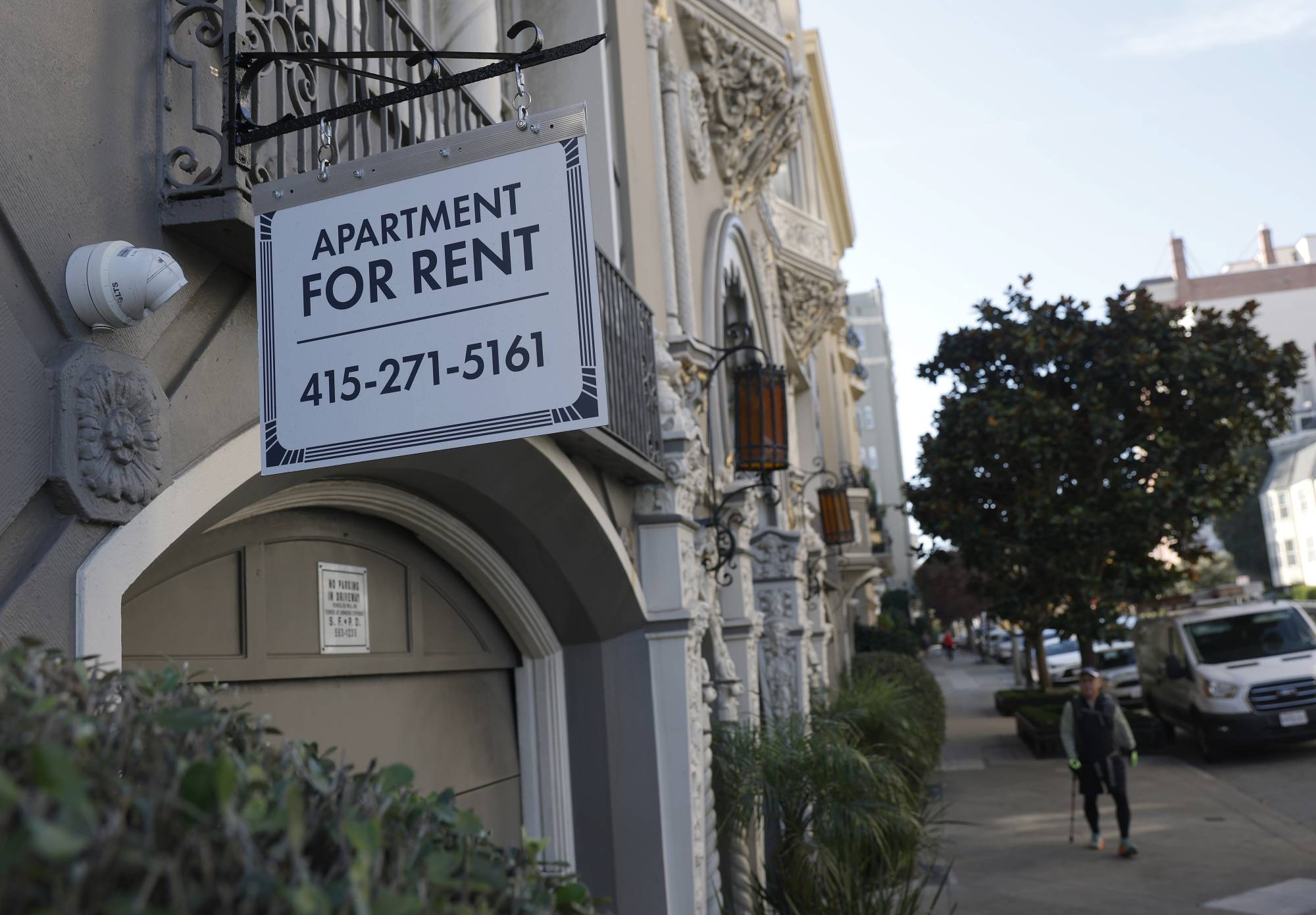
1 month agoA record number of Americans want out-now the government is making it easier
Starting next month, the cost of renouncing your U.S. citizenship will go down dramatically - a boon for people already shouldering the burden of paying for a major overseas move. Anyone wishing to formally shed their American citizenship is required to obtain a form called a Certificate of Loss of Nationality, and right now it comes with a whopping $2,350 fee. In April, that fee will drop by 80% to $450.
US Elections
NYC LGBT
fromLGBTQ Nation
1 month agoDoes the American Dream still exist for people like me? - LGBTQ Nation
A British-Nigerian lesbian immigrant questions her decision to build a life in the U.S. after witnessing the viral video of Renee Good's murder by an ICE agent, confronting systemic violence and safety concerns.
fromThe Globe and Mail
2 months agoBusiness Brief: Heralding the age of Western decline
U.S. President Donald Trump, with his lust for Greenland and hectoring of Europe, thinks the world is at his mercy,and thatthe U.S. is invincible. He's right on the first point. But he discovered this week that he's wrong about the second one. In Davos at the World Economic Forum, Trump climbed down on his Greenland threats after his actions caused chaos in the markets.
World news
US Elections
fromBuzzFeed
1 month agoFormer US Residents, Tell Us Why You Left And Your Unfiltered Thoughts About America Right Now
Record numbers of Americans are leaving the country, citing exhaustion from financial stress, lack of work-life balance, inadequate healthcare, and political polarization compared to better social systems abroad.

fromPsychology Today
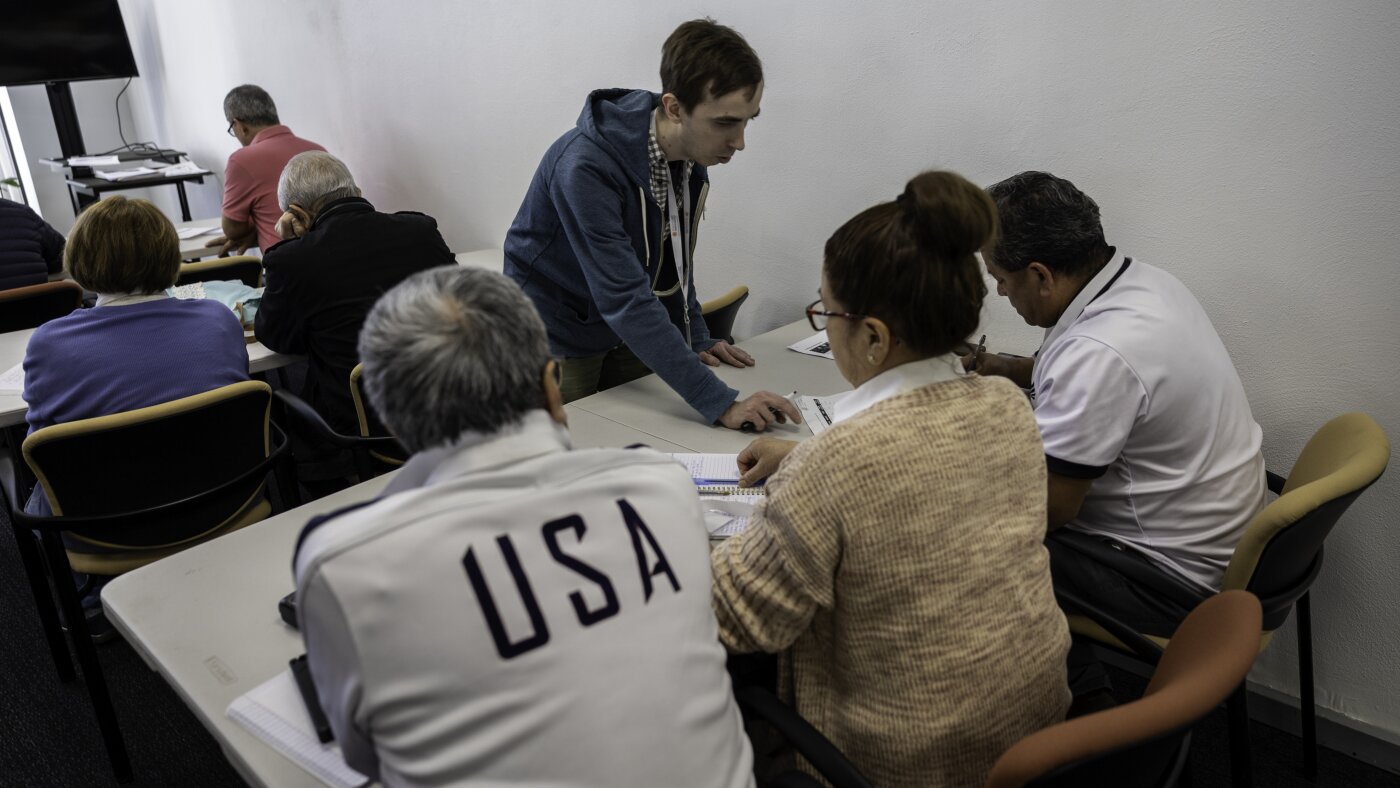
2 months agoAmerica Is Fraying, What Comes Next?
The air feels heavier. And the struggles are changing shape. Beyond my office walls, the world is shifting, and my clients sense the tremors. The things they once trusted, global order, democratic norms, and even their own personal safety, no longer feel solid. They feel brittle, as if one strong wind could bring it all down. And what they're sensing isn't imagined.
Relationships
fromFast Company
2 months agoU.S. population growth is slowing because of declining immigration. What does it mean for the workforce?
The U.S.'s population growth is slowing as immigration has declined amid President Donald Trump's deportation push and stricter border policies. According to new Census Bureau data, the drop-off is the biggest since the COVID-19 pandemic. From July 2024 to July 2025, the population of the United States grew by 1.8 million people (about 0.5%). This was mostly driven by immigration: During that period, the U.S. added 1.3 million immigrants.
US politics
fromFuturism
2 months agoTrump Is Causing the United States' First-Ever Population Decline
The cause isn't an abnormal number of deaths or a plummeting birthrate - though that's slipping too, exacerbating the trend - but instead a collapse in the rate of migration from 2.7 million people in July, 2024 down to just 1.3 million in 2025 as the White House does everything in its power to make the country hostile to immigrants.
US politics
[ Load more ]