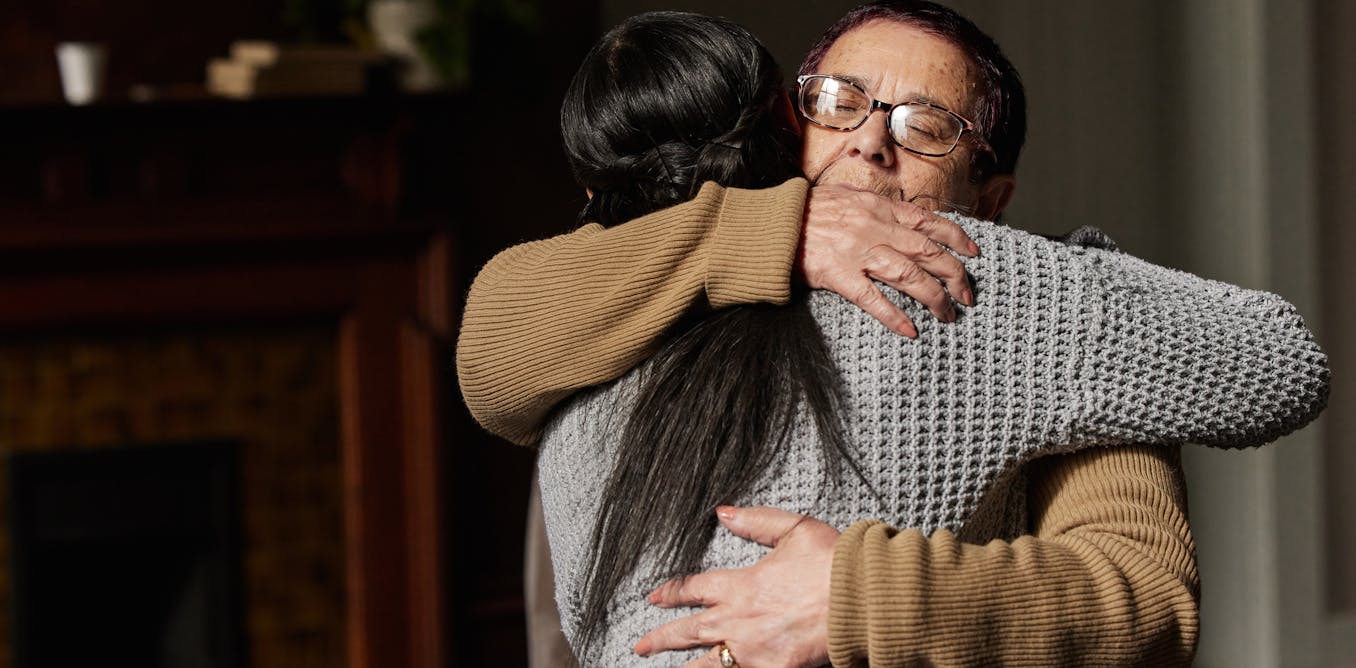
"Two in five Americans have fought with a family member about politics, according to a 2024 study by the American Psychiatric Association. One in five have become estranged over controversial issues, and the same percentage has "blocked a family member on social media or skipped a family event" due to disagreements. Difficulty working through conflict with those close to us can cause irreparable harm to families and relationships. What's more, inability to heal these relationships can be detrimental to physical and emotional well-being,"
"In my 2021 book, " Practicing Forgiveness: A Path Toward Healing," I talk about how we often feel pressure to forgive and that forgiveness can feel like a moral mandate. Consider 18th-century poet Alexander Pope's famous phrase: "To err is human; to forgive, divine" - as though doing so makes us better people. The reality is that reconciling a relationship is not just difficult, but sometimes inadvisable or dangerous, especially in cases involving harm or trauma."
Two in five Americans have fought with family about politics; one in five have become estranged or have blocked family members on social media or skipped family events due to disagreements. Difficulty resolving close conflicts can cause irreparable harm to families and relationships and can harm physical and emotional well-being and longevity. Healing relationships often involves forgiveness, but reconciliation is not always possible or safe. Forgiveness is internal: relinquishing ill will and emotional burden so individuals can heal, and it should be treated separately from deciding whether to renegotiate relationships. A 2025 study examined emotions around forgiveness, karma, and revenge.
Read at The Conversation
Unable to calculate read time
Collection
[
|
...
]