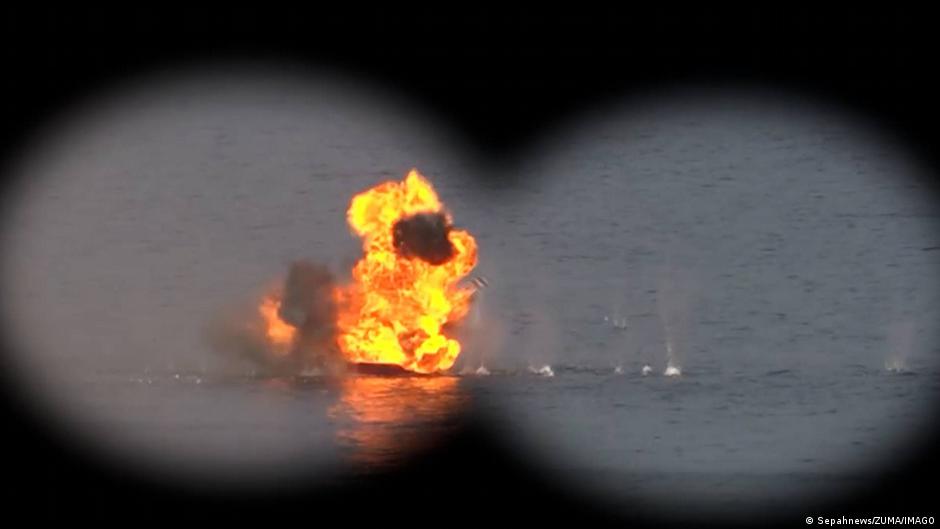
"If the conflict is prolonged and, in particular, if it affects actual oil supply, due to disruptions to Iranian supply or to Iranian attempts to block the Strait of Hormuz, it could cause oil prices to jump, perhaps to around $100 per barrel."
"Iran's role as a major producer matters, but its strategic position is keeping traders on edge. While Iran is responsible for just 3-4% of global oil output, its proximity to the Strait of Hormuz, considered the most critical oil chokepoint in the world, is prompting oil analysts to raise their forecasts for future oil prices."
"A prolonged disruption to traffic in the strait, through which a fifth of the world's oil production is transported, could see oil prices breach the $100-a-barrel threshold, a prospect that would hurt the global economy and push up prices that are already proving difficult to rein in."
Following US-Israel attacks on Iran and Tehran's retaliation, oil markets face significant uncertainty despite Iran producing only 3-4% of global oil output. The primary concern is Iran's proximity to the Strait of Hormuz, through which one-fifth of world oil production passes. A prolonged disruption to this critical chokepoint could cause oil prices to exceed $100 per barrel, damaging the global economy and exacerbating existing inflation pressures. Brent crude had already risen to $73 per barrel by February 27 amid conflict concerns. OPEC+ announced production increases starting in April to stabilize markets. Analysts warn that if the conflict persists and disrupts Iranian supply or blocks the strait, oil prices could spike significantly.
Read at www.dw.com
Unable to calculate read time
Collection
[
|
...
]