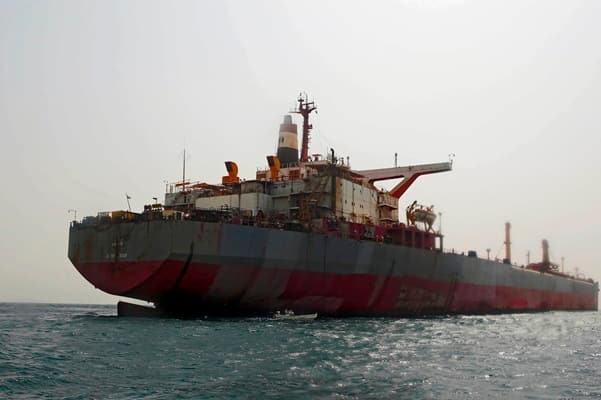
"Markets are rapidly repricing supply risks following an escalation in tensions in the region, which led to disruptions in the Strait of Hormuz. The critical chokepoint is a pathway for approximately 20% of the world's seaborne oil and a significant volume of liquefied natural gas."
"The developments led shipping companies to reroute or halt tanker movements, while attacks on vessels have effectively constrained maritime flows. With Saudi Aramco's Ras Tanura facility and other regional energy sites also impacted, markets could continue to monitor the risks for the energy infrastructure in the region."
"Overall, crude prices are expected to remain volatile in response to further developments in the region and could see a potential for gains in the short term. In the event of prolonged disruptions, oil prices are poised to climb even higher, whereas a rapid de-escalation could trigger a market pullback."
Oil prices surged due to escalating Middle East geopolitical tensions causing supply risk repricing. The Strait of Hormuz, handling approximately 20% of global seaborne oil and significant liquefied natural gas volumes, faces disruption threats. Shipping companies rerouted or halted tanker movements following vessel attacks constraining maritime flows. Saudi Aramco's Ras Tanura facility and other regional energy infrastructure sites experienced impacts. OPEC+ announced a modest 206,000 barrels per day output increase for April, likely insufficient to offset prevailing risks. Crude prices remain volatile with potential for further gains if disruptions persist, though rapid de-escalation could trigger pullbacks.
Read at London Business News | Londonlovesbusiness.com
Unable to calculate read time
Collection
[
|
...
]