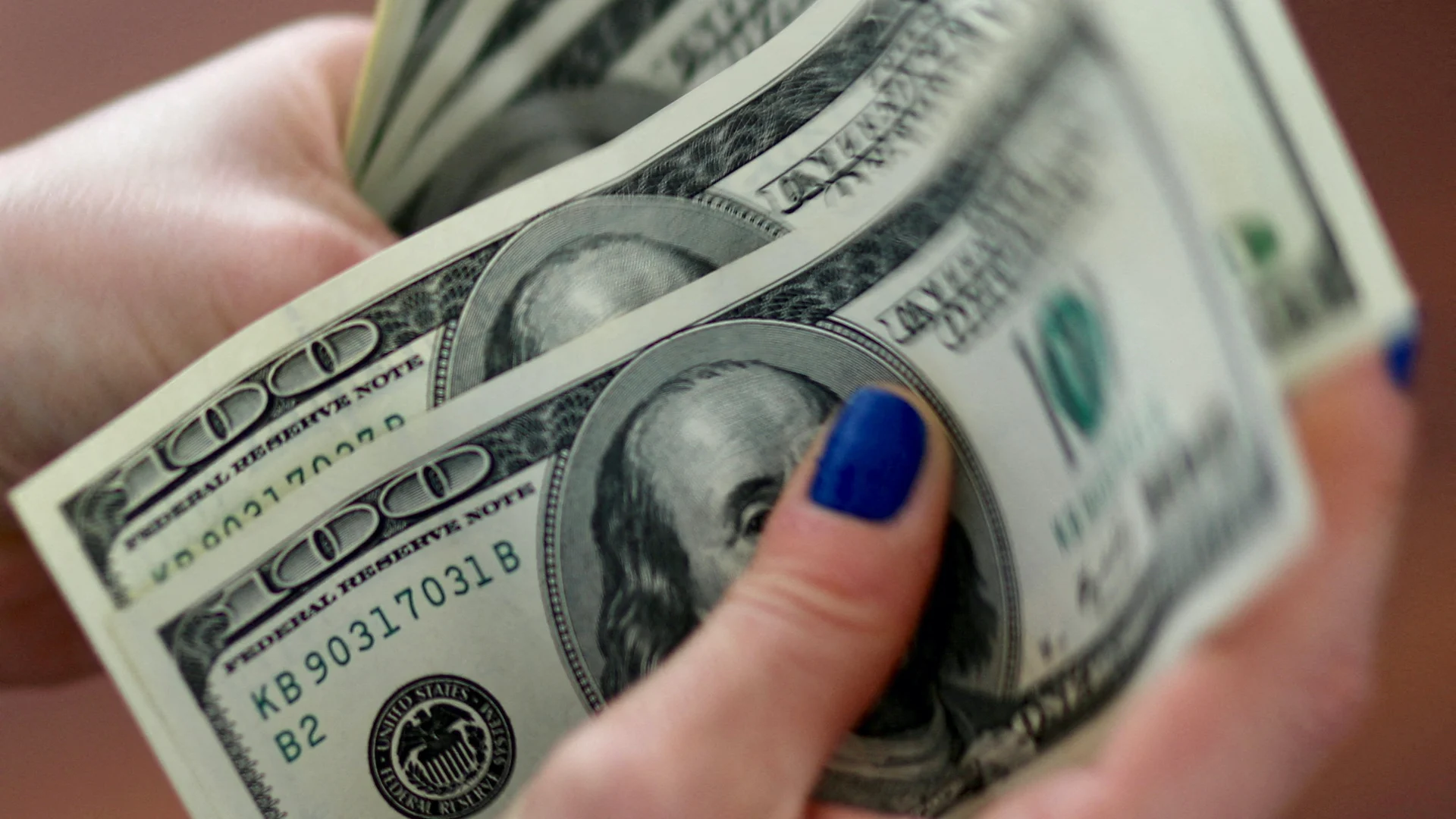
"A dismal year for the U.S. dollar is ending with signs of stabilization, but many investors believe the currency's decline will resume next year as global growth picks up and the Fed eases further. The U.S. dollar slumped more than 9% this year, against a basket of currencies, its worst showing in eight years, driven by expectations of Federal Reserve rate cuts, shrinking interest rate differentials with other major currencies, and as concerns about U.S. fiscal deficits and political uncertainty swirled."
"Investors broadly expect the dollar to weaken further as other major central banks stand pat or tighten policy and as a new Fed Chair takes charge-a change that is expected to herald a more dovish tilt for the central bank. The dollar typically falls when the Fed cuts rates as lower U.S. interest rates make dollar-denominated assets less attractive to investors, reducing demand for the currency."
""The reality is we still do have an over-valued U.S. dollar from a fundamental standpoint," Karl Schamotta, chief market strategist at global corporate payments company Corpay, said. Getting the dollar's trajectory right is important for investors, given the currency's central role in global finance. A weaker dollar boosts U.S. multinational earnings by increasing the value of overseas revenues when converted back to dollars, even as it enhances the attractiveness of international markets by providing an FX boost beyond the underlying asset performance."
The U.S. dollar fell more than 9% this year against a basket of currencies, its worst performance in eight years, driven by expectations of Federal Reserve rate cuts, shrinking interest rate differentials and concerns about U.S. fiscal deficits and political uncertainty. Investors expect further weakening as other major central banks remain on hold or tighten and a new Fed Chair is likely to adopt a more dovish stance. Lower U.S. interest rates typically reduce demand for dollar assets. A weaker dollar lifts U.S. multinational earnings on overseas revenues and can boost returns in international markets. The dollar remains overvalued by some measures.
Read at Fast Company
Unable to calculate read time
Collection
[
|
...
]