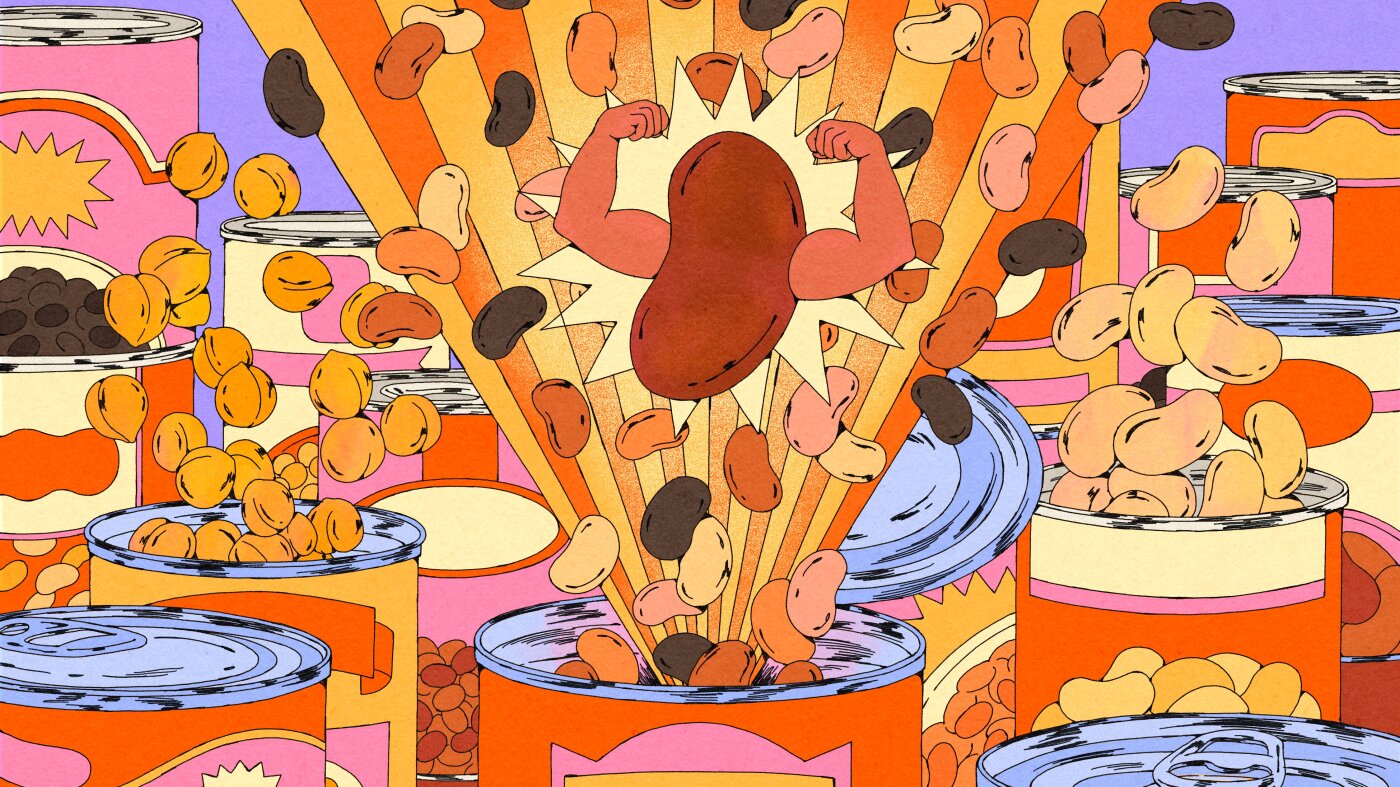
"Interest is surging in the tiny, bulbous legumes sometimes met with a shrug, as more Americans increasingly seek out cheap, healthy and inventive food. Bean-centric recipes are abundant on social media yep, there are bean-fluencers on BeanTok. Consumers can now buy trendier bean-based products, and one heirloom-bean service is so popular that it has a waitlist of tens of thousands of people."
"Of course, there's nothing new about Phaseolus vulgaris and other members of the legume family. The primitive crops were critical to early agriculture and, in more recent times, have been a cheaper alternative to animal proteins. Legumes have long been a central feature of many cuisines, from dal in India and other South Asian countries to the beans-and-rice dishes common across Latin America and beyond."
"For one, Americans don't get enough fiber, which is abundant in beans. And as food prices continue to rise, beans offer a low-cost, nutritious protein source that can keep you as full as beef, one study published in The Journal of Nutrition found. "Here's a food that's affordable. We don't take advantage of it. It's clear that it has health benefits," said Henry J. Thompson, a Colorado State University professor who has studied"
Interest in beans is increasing as more Americans look for cheap, healthy, and inventive food. Bean-focused recipes are widely shared online, and trendier bean-based products are now available. Some services centered on heirloom beans have long waitlists. Beans are being marketed to children as well. Beans are not new crops, but they were important in early agriculture and have long served as a cheaper alternative to animal proteins. Legumes provide fiber and low-cost protein, helping people feel full. Research has found that beans can keep people as full as beef, and experts emphasize that affordable foods with health benefits are often underused.
Read at www.npr.org
Unable to calculate read time
Collection
[
|
...
]