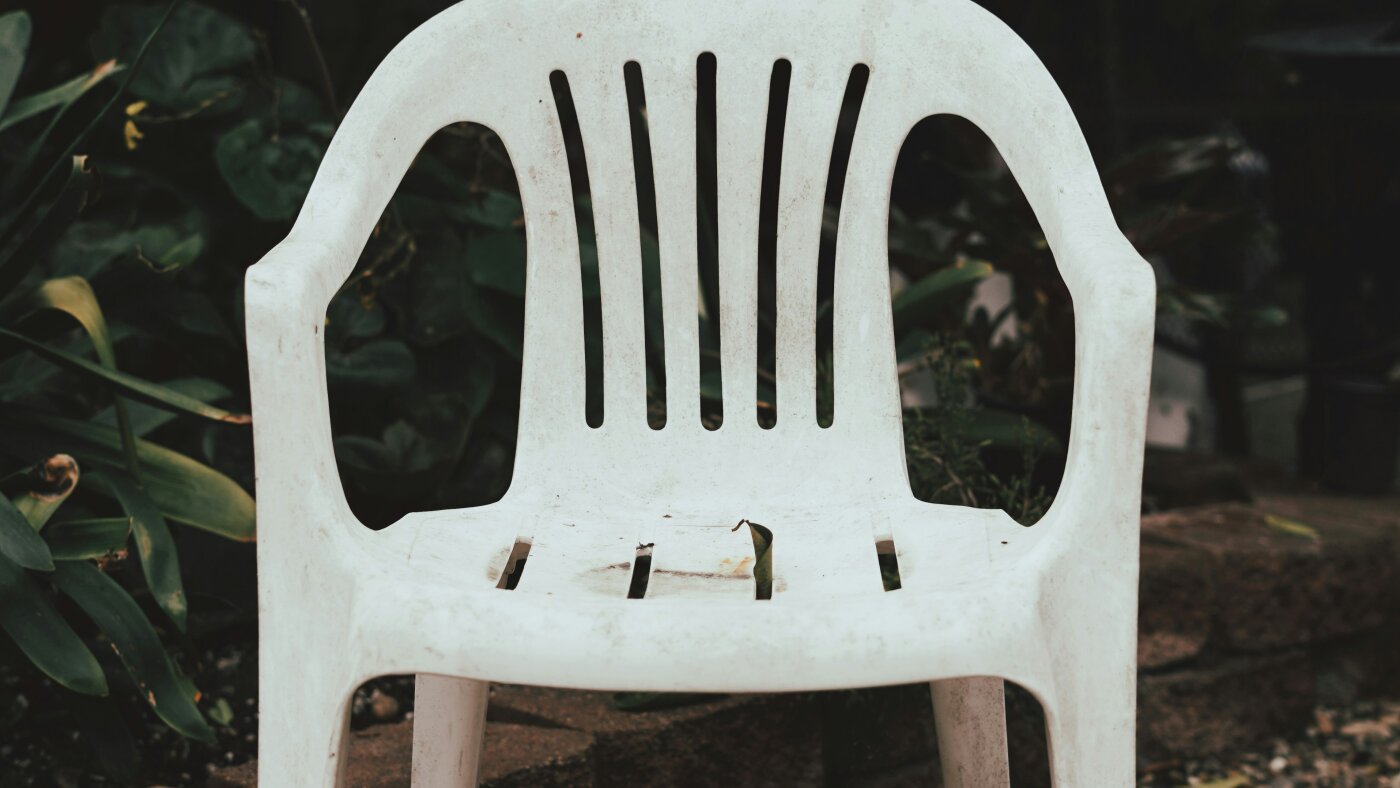
"We don't think of it as a modern invention, but all the time we spend seated is relatively new: For most of human history, chairs were relatively rare (usually a symbol of power), and everyday life involved a lot more shifting, squatting, perching, and getting up and down. Then mass production made chairs cheap, plentiful and crucially everywhere. Offices. Schools. Living rooms. Once chairs became the norm, stillness started to look like "proper" behavior."
"It can feel hard to integrate movement into your day, even when you want to. But movement breaks can help us feel more human, especially in winter. So here's your weather-proof challenge: pick two and do five minutes each today. March in place (or do arm circles) during a call. You don't need to be on camera. Do laps around your dining room table bonus points if you put on one song and dance"
Chairs were historically uncommon and often symbols of power, while everyday life involved frequent shifting, squatting, perching, and standing. Mass production made chairs cheap and ubiquitous in offices, schools, and homes, and seating was often designed to keep bodies still for repetitive work. Schools and television reinforced stillness as proper behavior, and phones and computers have made sitting the default. Short movement breaks can counteract prolonged sitting and help people feel more human, especially during winter. Simple actions—marching in place, arm circles, walking around the home, stair loops, or brief dances—can interrupt sedentary spells without formal workouts.
Read at www.npr.org
Unable to calculate read time
Collection
[
|
...
]