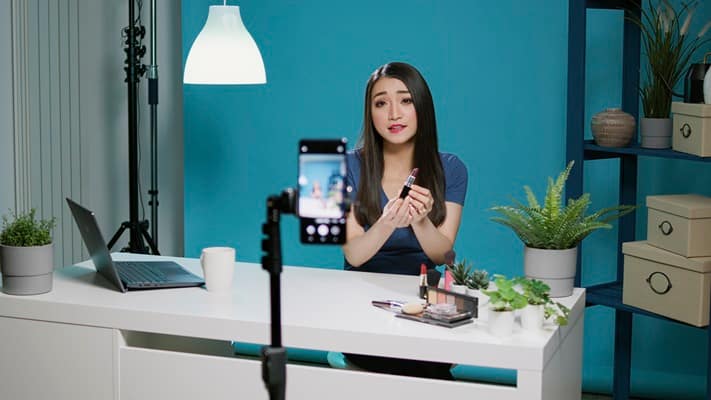
"Brands spent over $21 billion on influencer marketing in 2023. A big chunk of that went to macro-influencers and celebrities. And a big chunk of that underperformed. Here's what the data keeps showing: micro-influencers - influencers with 10,000 to 100,000 followers - consistently outperform larger accounts on engagement, cost efficiency, and conversions. Not by a little. By a lot."
"Nano influencers (under 10K followers) hit up to 11.9% engagement on TikTok and 2.19% on Instagram. Micro-influencers land slightly below that but still far above macro territory. Macro-influencers? Their engagement rates hover between 1-3% on most platforms. The bigger the audience, the more passive it becomes. This pattern is consistent across markets - UK influencers in the micro tier follow the same trend, with smaller, more tightly engaged communities consistently outperforming larger accounts on interaction rates."
"This isn't just a vanity metric. Engagement rate is the closest proxy you have for how much an audience actually cares. More comments, saves, and shares mean more purchase intent. Higher engagement rates correlate directly with higher conversion rates - which is the whole point. The reason is simple. Micro-influencers build tighter relationships with niche communities. Their followers actually read captions, reply to stories, and trust recommendations."
"A single macro-influencer post can run $5,000 to $50,000+. For that same budget, you could work with 10 to 50 micro-influencers at $100-$1,000 per piece of content. That's not just more content. It's more creative angle"
Brands spent over $21 billion on influencer marketing in 2023, with substantial spend going to macro-influencers and celebrities, often with underperformance. Micro-influencers with 10,000 to 100,000 followers consistently outperform larger accounts on engagement, cost efficiency, and conversions. Nano influencers reach up to 11.9% engagement on TikTok and 2.19% on Instagram, while macro-influencers typically hover around 1–3% engagement across platforms. Engagement rate serves as a proxy for audience care, with higher engagement correlating with higher conversion intent. Micro-influencers build tighter relationships with niche communities, leading followers to read, reply, and trust recommendations. Micro campaigns also stretch budgets by funding many creators and producing more creative angles.
#influencer-marketing #micro-influencers #engagement-rate #roi-and-conversions #marketing-budget-allocation
Read at London Business News | Londonlovesbusiness.com
Unable to calculate read time
Collection
[
|
...
]