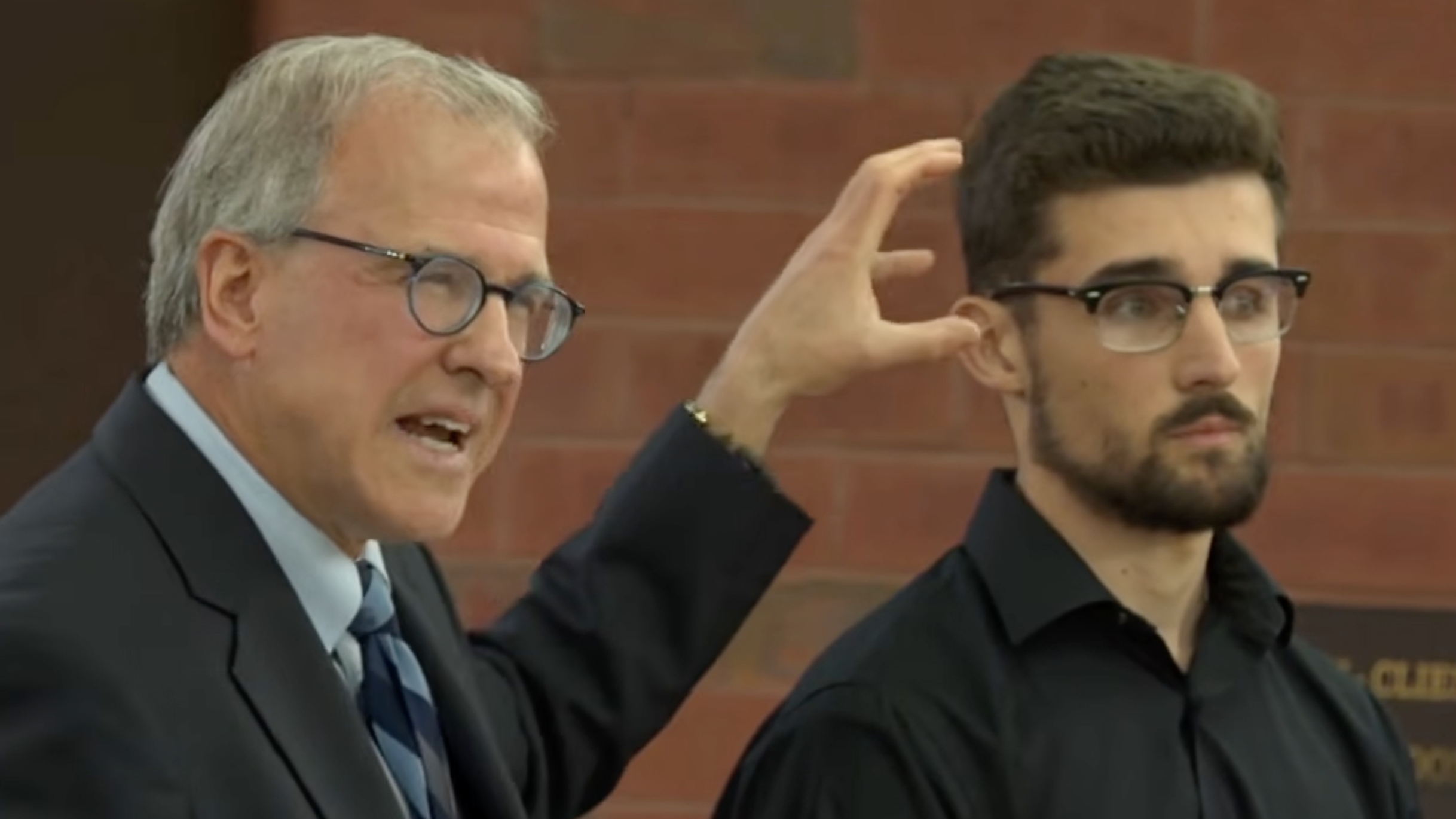
"According to prosecutors, Bennett uploaded 88 separate videos showing speeds ranging from 100 to 200 mph on Connecticut roads. Authorities said at least some of the content was monetized through YouTube ads. Bennett is accused of posting dozens of YouTube videos showing him driving as fast as 200 mph on public highways, and the case has ignited questions about whether social media platforms financially reward dangerous behavior."
"Bennett's attorney argued the arrest changed his behavior. He reportedly completed driver education courses and attended therapy. He also apologized in court, saying that his actions were "incredibly stupid." But Connecticut Superior Court Judge Paul Doyle denied Bennett access to the state's accelerated rehabilitation program for first-time offenders, citing the "quantity" and "risk" of the alleged conduct."
"YouTube creators who qualify for the platform's Partner Program can earn money through advertising revenue, subscriptions, fan funding and other monetization features. YouTube says the program allows creators to share revenue from ads served on their content, while the company's own explainer says creators earn 55% of revenue from ads on long-form videos and 45% from Shorts."
"That means viral videos can quickly become financially valuable. A creator's exact payout depends on factors like audience size, advertiser demand, video length, watch time and whether advertisers want to be associated with the content. But the basic incentive is clear: more views can mea"
A 22-year-old motorcyclist in Connecticut was accused of posting dozens of YouTube videos showing him driving as fast as 200 mph on public highways. Prosecutors said 88 videos showed speeds from 100 to 200 mph and that at least some content was monetized through YouTube ads. The defense said the arrest led to changed behavior, including driver education, therapy, and an apology in court. A Superior Court judge denied access to accelerated rehabilitation for a first-time offender, citing the quantity and risk of the alleged conduct. The case raised concerns about whether social media platforms financially reward dangerous behavior and how creator incentives can encourage escalating content for engagement.
#criminal-justice #social-media-monetization #youtube-partner-program #dangerous-driving #creator-economy
Read at Moneywise
Unable to calculate read time
Collection
[
|
...
]