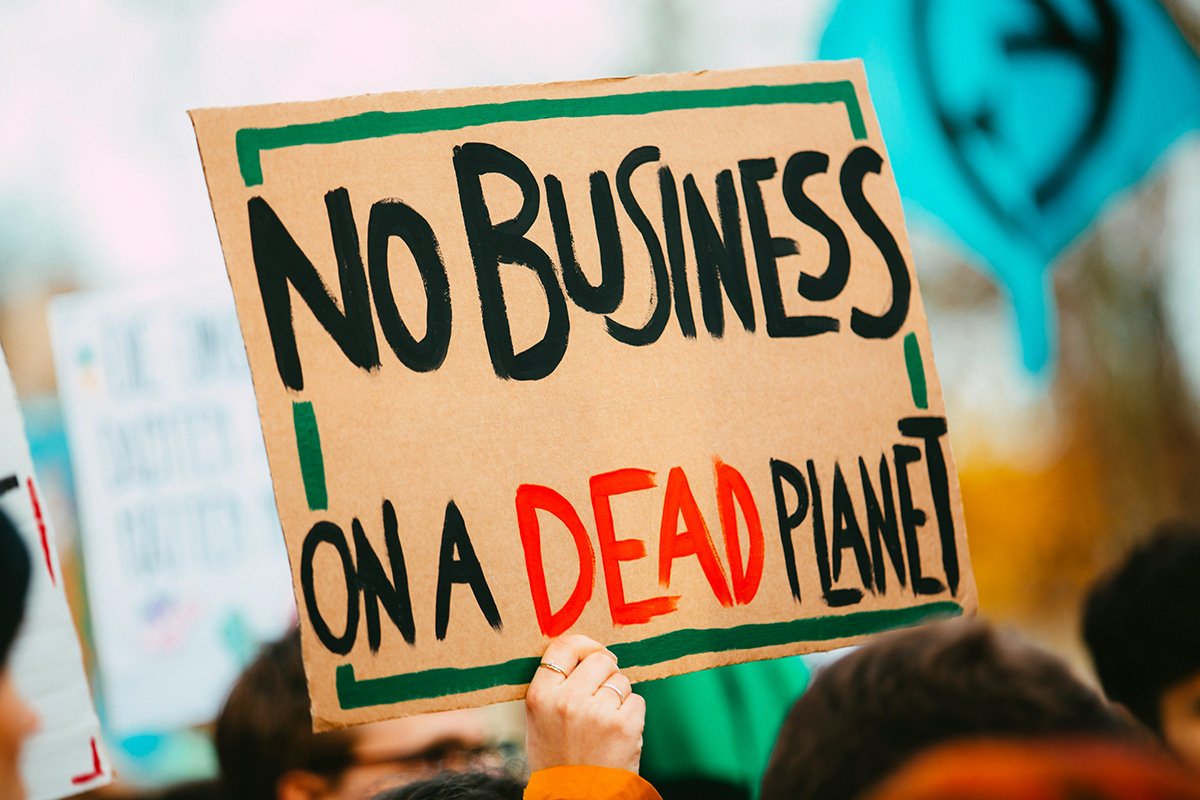
Human-caused greenhouse gas emissions are driving climate change, threatening biodiversity loss and increasing the frequency and intensity of extreme weather. In the United States, the West has experienced unusually intense wildfires and prolonged droughts in places such as Colorado and Arizona. The East Coast and Gulf of Mexico have seen hurricanes bring unprecedented rainfall and destruction, including in Texas and North Carolina’s Blue Ridge Mountains. The Pacific Northwest has faced extreme heat waves, while the Florida Keys have experienced ecosystem disruption and biodiversity loss. Agricultural production and supply chains are increasingly strained nationwide. Harms are not distributed equally, with low-income communities, sexual and gender minorities, women and girls, racially marginalized communities, and younger and future generations facing the most severe and often irreversible consequences.
"Marginalized communities face the most harm from climate change due to deep-rooted systemic inequalities."
"Extreme weather events such as droughts, floods, and extreme temperatures driven by climate change are impacting every corner of our country,"
"The issue is straightforward: Those who contributed least to the crisis are bearing the most severe and often irreversible consequences, especially in a system that has already moved beyond safe ecological and social thresholds."
"Research shows that vulnerable communities around the world, including within the United States, are currently disproportionately bearing the harms caused and intensified by climate change. Low-income communities, sexual and gender minorities, women and girls, racially marginalized communities, and younger and future generations face the most severe consequences of climate change."
Read at Nonprofit Quarterly | Civic News. Empowering Nonprofits. Advancing Justice.
Unable to calculate read time
Collection
[
|
...
]