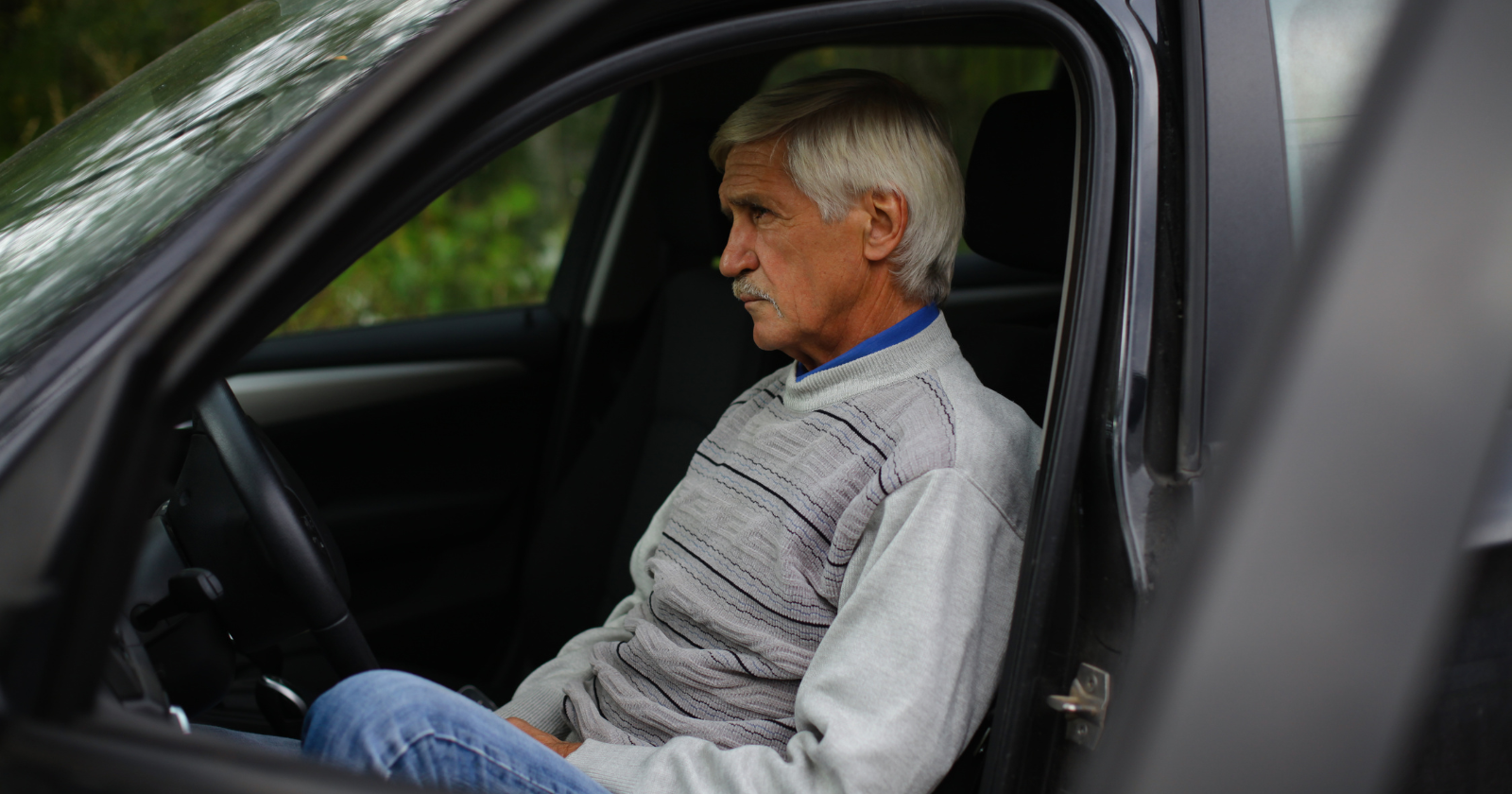
"When my dad got ill, when things got genuinely hard, most of those friendships didn't know how to carry the weight of it. The conversations stayed surface-level. The visits got shorter. Not because these men didn't care. They just didn't have the tools for that kind of closeness."
"The baby boomer generation grew up with a very specific understanding of what friendship looked like. You were loyal. You showed up. You lived nearby, or at least close enough to grab a drink. You didn't burden your mates with your problems, and you certainly didn't sit around talking about your feelings."
"Research from a study published in the journal Research on Aging found that when older men assessed the quality of their friendships, they tended to point to things like how often they saw each other or how long they'd known one another. Women, on the other hand, highlighted emotional qualities like intimacy and trust."
"When the routine disappears, so does the friendship. Friendships built almost entirely on proximity and routine struggle when life gets complicated."
Older men's friendships, often based on routine and proximity, struggle under emotional strain. The baby boomer generation valued loyalty and presence over emotional intimacy. As men age, they may find their friendships inadequate when facing serious challenges, as conversations remain superficial and support dwindles. Research indicates that while men focus on the frequency and duration of friendships, women prioritize emotional connections. This difference highlights the fragility of male friendships when life becomes complicated, revealing a need for deeper emotional engagement.
Read at Silicon Canals
Unable to calculate read time
Collection
[
|
...
]