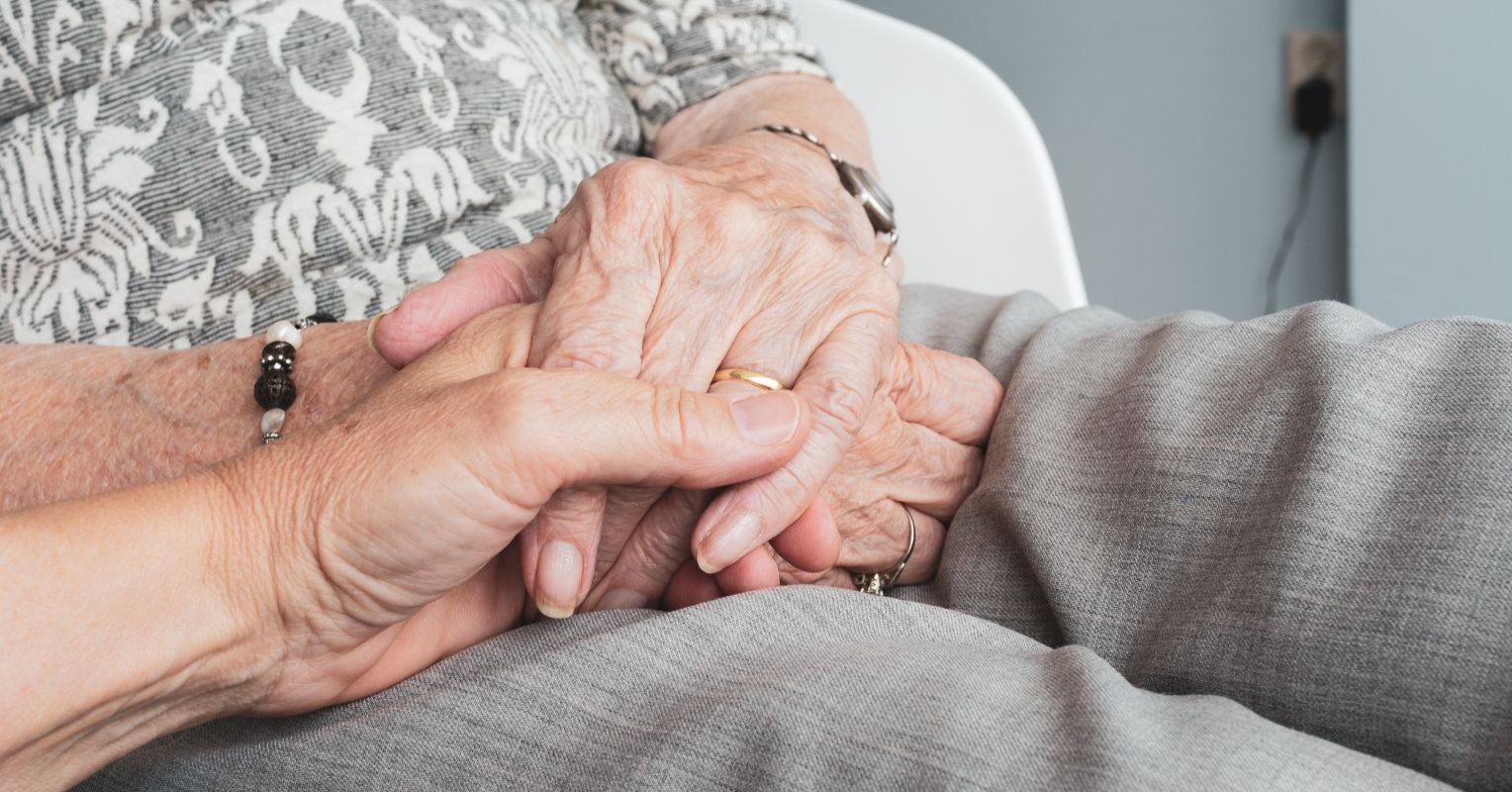
"A Japanese study reported that 42 percent of families had at least one argument during the end-of-life phase. A Canadian study found that as many as 80 percent of families experience end-of-life conflict."
"Past distrust or hurt feelings can emerge when families come together around the death of a loved one. The emotional stress of losing a loved one can incite rising tensions among family members gathered at the bedside."
"Chronic unforgiveness or grudges may erode health for surviving family members, while forgiving responses may actually enhance it."
"In her novel, Allegra Goodman shares a relatable story about a multigenerational family facing a significant loss, illustrating how a disagreement can lead to years of estrangement."
Family conflict is prevalent during the end-of-life phase, with studies indicating that a significant percentage of families experience arguments. Emotional stress, anxiety, and anticipatory grief contribute to rising tensions. Even after a loved one passes, unresolved issues can lead to chronic unforgiveness, negatively affecting the health of surviving family members. Allegra Goodman's novel, This Is Not About Us, illustrates these themes through a story of two sisters whose disagreement over an apple cake leads to a long-standing grudge, impacting their family dynamics.
Read at Psychology Today
Unable to calculate read time
Collection
[
|
...
]