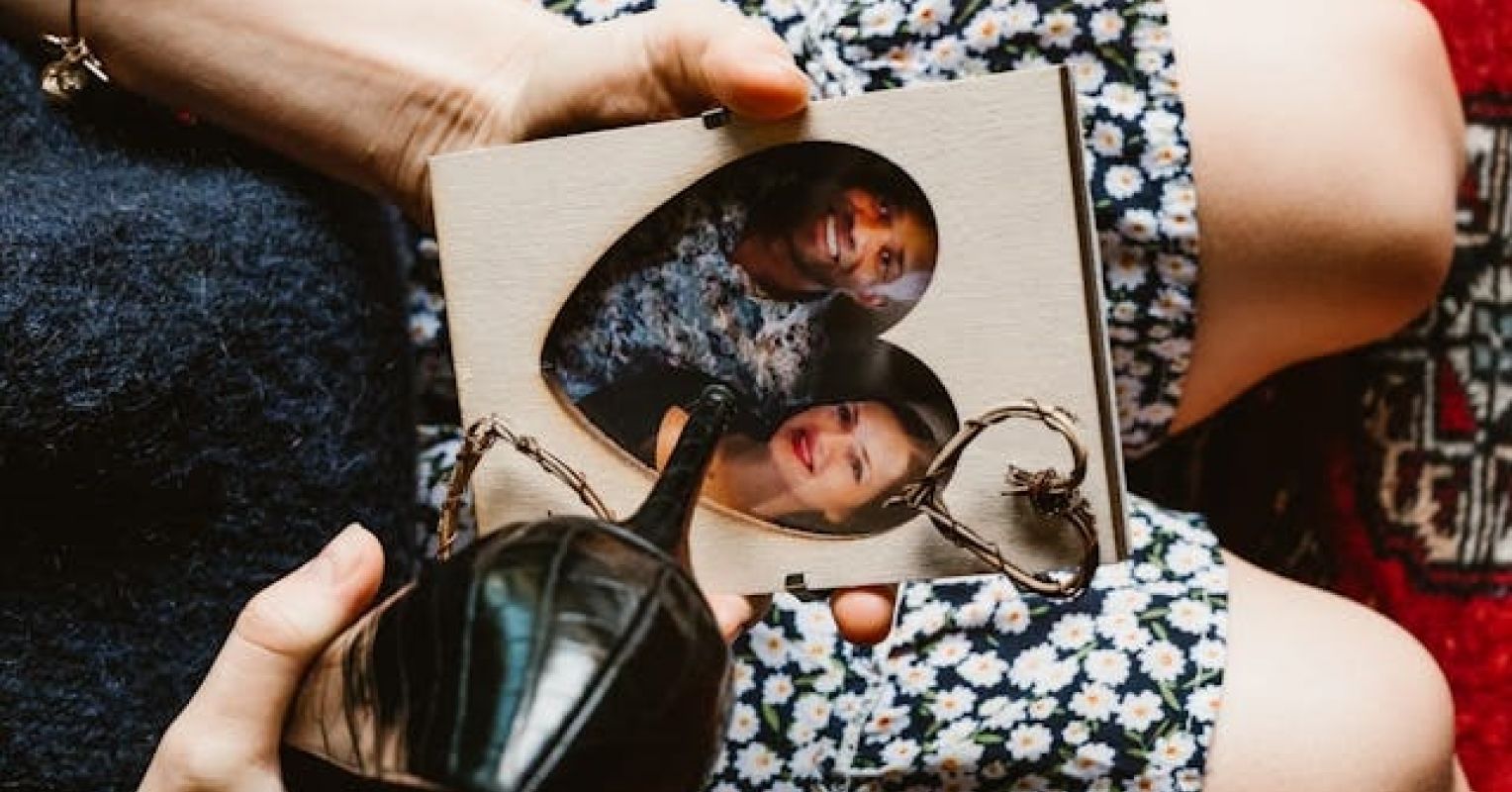
"There are many types of toxic relationships such as a controlling or manipulative, negative, self-centered or narcissistic, dishonest, insecure, abusive, blaming or demanding and competitive, and secretive/secret based and dramatic/drama-filled,"
"Accepting that this is your choice will reduce the distress although it may not improve the experience of being in a toxic relationship."
"You may not even realize that you are being abused, especially if you grew up in an abusive, alcoholic, and/or dysfunctional family system; it may seem totally normal to you. Children who grow up in chaotic family systems such as these have been primed for continued emotional and verbal abuse."
"Scott-Hudson stresses that we should "look for discrepancies between how your partner speaks to you in public and in private." Within toxic relationships, she says, "there is often a large chasm between the way you are spoken to if other people are around, and the way you are spoken to behind closed doors.""
Toxic people routinely disrespect others, refuse to apologize, withhold thanks and compliments, fail to listen, and take credit. Toxic relationships include controlling, manipulative, negative, self-centered or narcissistic, dishonest, insecure, abusive, blaming or demanding, competitive, secretive, and drama-filled patterns. Abusive individuals are often highly guarded, defensive, and resistant to change. Remaining in a toxic relationship is frequently a personal choice, and recognizing that choice can reduce distress even if circumstances do not improve. People raised in abusive or dysfunctional family systems may normalize emotional and verbal abuse. Discrepancies between public and private treatment serve as a clear warning sign.
Read at Psychology Today
Unable to calculate read time
Collection
[
|
...
]