#toxic-relationships
#toxic-relationships
[ follow ]
#family-dynamics #boundaries #mental-health #emotional-abuse #personal-growth #emotional-health #friendship

#manipulation
Psychology
fromSilicon Canals
4 weeks agoPsychology says the most reliable signs someone is actually not a good person are almost never the obvious ones - they're buried inside behaviors that look generous, caring, and selfless on the surface, and the reason good people keep getting hurt by them is that their instincts were right all along but the disguise was better than their confidence in their own judgment - Silicon Canals
Harmful individuals often disguise their manipulative behavior as kindness, making it difficult to recognize their true intentions.

Psychology
fromSilicon Canals
4 weeks agoPsychology says the most reliable signs someone is actually not a good person are almost never the obvious ones - they're buried inside behaviors that look generous, caring, and selfless on the surface, and the reason good people keep getting hurt by them is that their instincts were right all along but the disguise was better than their confidence in their own judgment - Silicon Canals
Harmful individuals often disguise their manipulative behavior as kindness, making it difficult to recognize their true intentions.


Psychology
fromSilicon Canals
1 month agoPsychology says the most damaging people in your life are rarely the obviously cruel ones - they're the ones who were kind just often enough to keep you doubting your own perception - Silicon Canals
Intermittent reinforcement creates confusion and self-doubt, making it difficult for individuals to recognize toxic relationships.
#emotional-health
Mental health
fromSilicon Canals
1 month agoPsychology says people who've mastered not caring aren't detached - they went through a period of caring so much it nearly broke them, and came out the other side with a much shorter list - Silicon Canals
Mastering the art of not caring comes from exhaustion, not indifference, after deeply caring and learning what deserves emotional energy.
%20(1).jpeg)



Psychology
fromSilicon Canals
1 month agoPsychology says the most emotionally draining people in your life aren't the ones who ask for help constantly - they're the ones who treat every conversation like an emotional deposit they're making so they can withdraw twice as much the next time, and the transaction is so subtle most people don't realize they're being drained until they're completely empty - Silicon Canals
Certain people drain emotional energy by exploiting reciprocity without offering genuine support in return.
fromBoston.com
1 month agoA voodoo doll, a love triangle, and an alleged poisoning: Testimony begins in Salisbury antifreeze murder trial
Church allegedly joked about poisoning Fowler, saying, 'Oh yeah, that's one of our jokes: I joke about poisoning him.' This remark is central to the prosecution's case.
Humor
Psychology
fromSilicon Canals
2 months agoPsychology says people who aren't genuinely kind are almost never mean in obvious ways - they operate through these 9 patterns subtle enough to make you feel crazy for noticing - Silicon Canals
People lacking genuine kindness use subtle manipulation patterns like backhanded compliments and weaponized vulnerability rather than obvious cruelty, causing victims to question their own perception.
fromScary Mommy
2 months agoWhat Is "Grey Rocking" & When Should You Use It? Experts Share Examples
The idea is simple: make yourself as uninteresting as a grey rock. No emotional reaction, no personal information shared, no visible changes in your demeanor. It's an intentional reduction of emotion. You respond briefly, neutrally, and without giving the other person something to hook onto. It's not about being cold; it's about being boring enough to be safe.
Relationships
fromPsychology Today
2 months agoHow to Handle a Toxic Person-Without Canceling Them
These individuals might well harbor what psychologists call dark personality traits: psychopathy, narcissism, Machiavellianism, and sadism. People with dark personalities are callous, manipulative, and antagonistic. They violate rules, lie and cheat, hurt others, and pursue their own interests heedless of the consequences on others.
Psychology
fromPsychology Today
2 months agoWhy "Tell Me Lies" Is a Show Worth Sitting With
What the show captures so well is the price we're willing to pay to stay comfortable, especially inside relationships that feel like oxygen. The college campus, where most of the show's drama plays out, is a particular kind of pressure cooker. In a certain small world, with certain people, during a certain window of time, the need to make things work can override almost everything else.
Television
fromSilicon Canals
3 months ago6 signs someone is emotionally manipulating you but making it seem like you're the problem - Silicon Canals
Have you ever walked away from an argument feeling like the bad guy, even though something didn't feel quite right? Like you were somehow wrong for bringing up your concerns in the first place? I've been there; that sinking feeling in your stomach when someone turns your legitimate complaint into evidence of your own shortcomings. You start questioning yourself: Maybe I am too sensitive. Maybe I am asking for too much. Maybe the problem really is me.
Mental health


#relationships
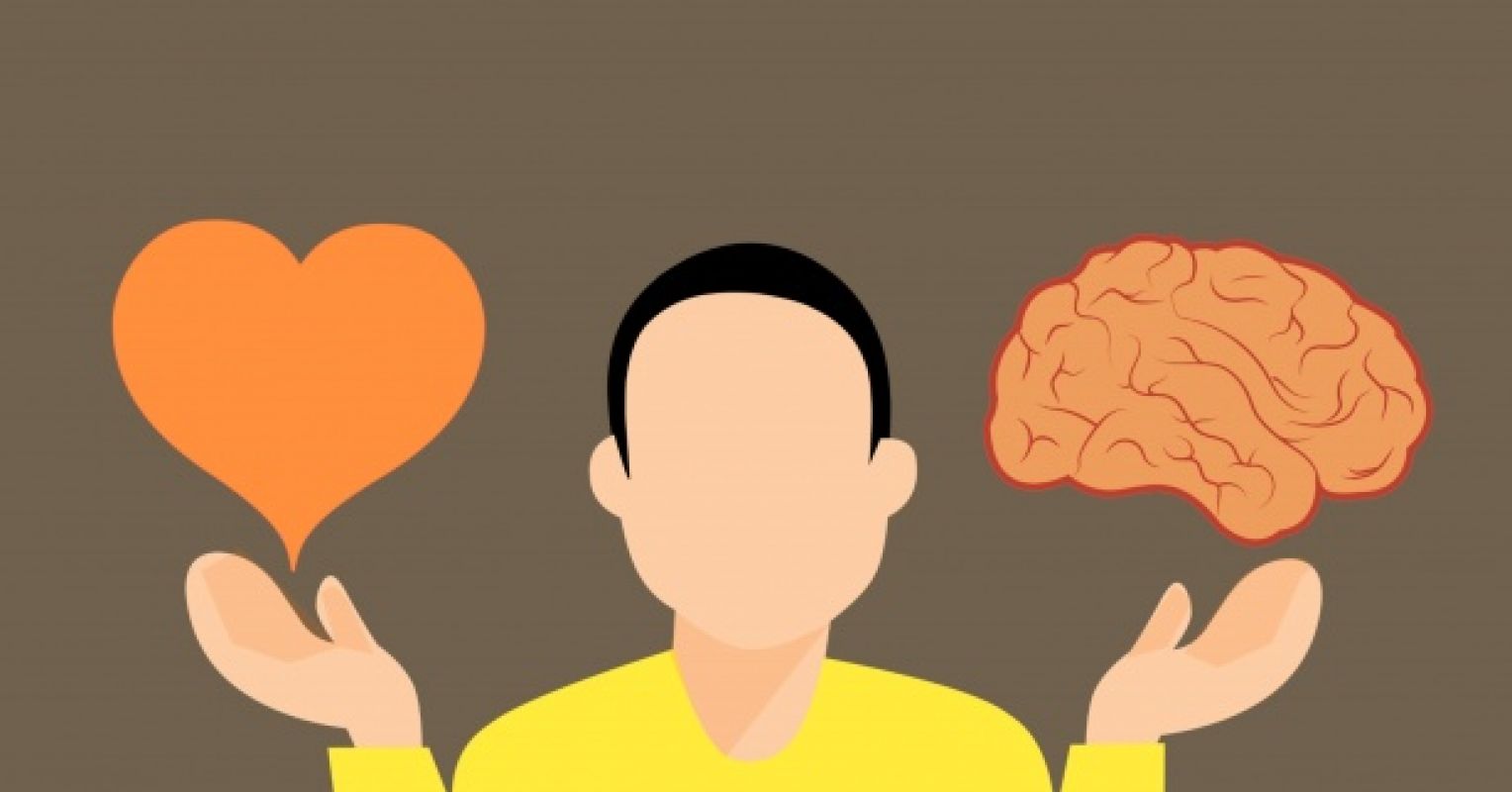
Relationships
fromBuzzFeed
11 months agoComparing Her Career Achievement To Him Winning In A Video Game, And 19 Other "Last Straw" Things That Made Women End Their Long-Term Relationships For Good
Realizing a relationship is not working can lead to decisive breakups based on significant, life-altering moments.
Relationships
fromBuzzFeed
11 months agoComparing Her Career Achievement To Him Winning In A Video Game, And 19 Other "Last Straw" Things That Made Women End Their Long-Term Relationships For Good
Realizing a relationship is not working can lead to decisive breakups based on significant, life-altering moments.
fromPsychology Today
4 months agoWhy Highly Intelligent People Stay in Toxic Relationships
A common misconception is that people who remain in toxic or abusive relationships are weak, dependent, or oblivious to the harm. In reality, many people who struggle to break free from relationships that are no longer working are intelligent, capable, high-functioning, and empathic. They see the dysfunction clearly and can even articulate what is wrong, and yet they struggle to leave, get frustrated with themselves, and do not understand why that is.
Mental health


fromPsychology Today
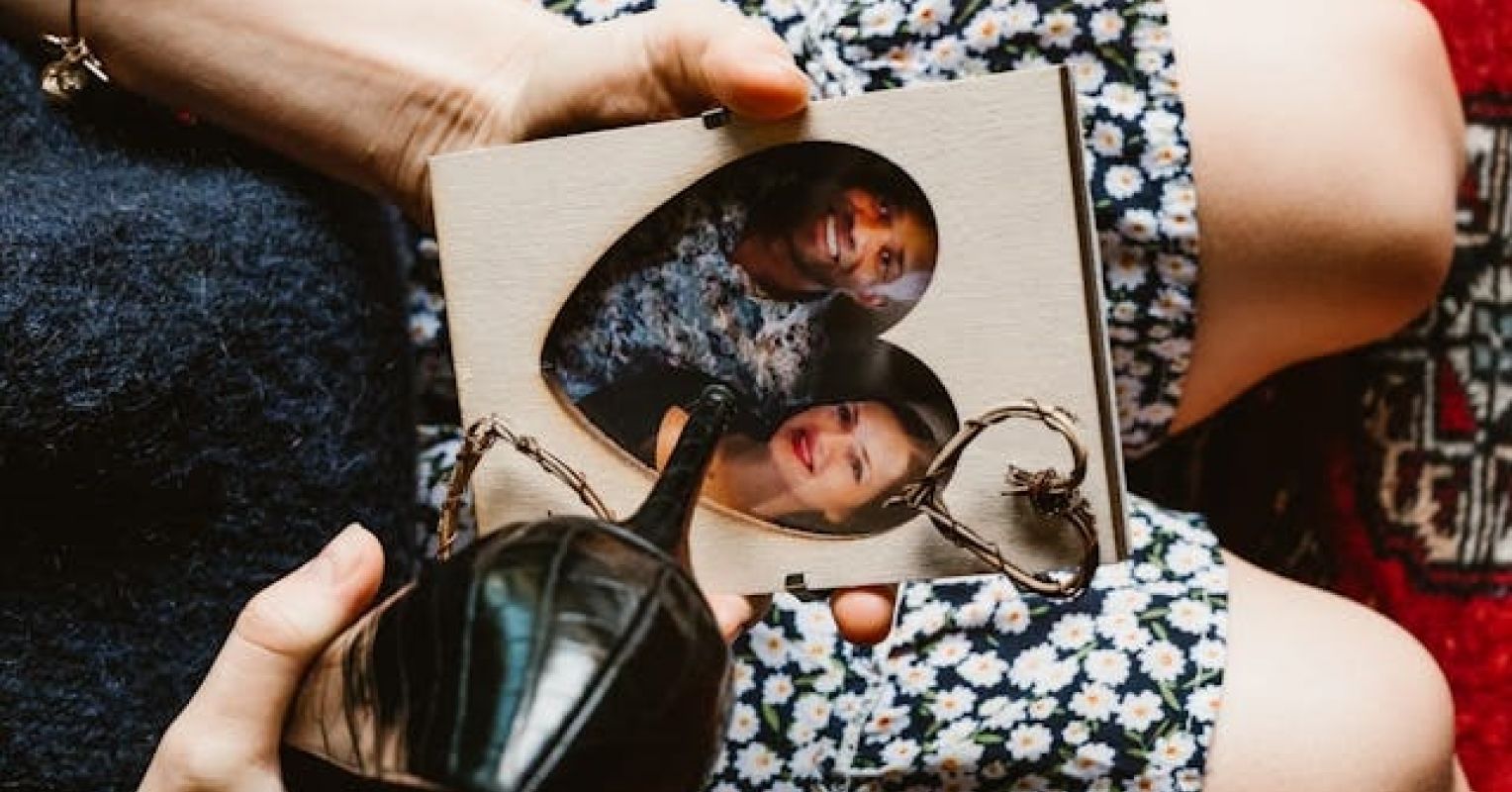
5 months agoThe Write Situation: How Writing Letters Helped Me Heal
It started young for me. I didn't really have anyone to talk with. My father was a sulky, silent brute and I couldn't risk getting yelled at or hit by speaking up. My mother preferred not to hear about turmoil and always told me to think happy thoughts, even as my older sister urged me to image the worst so that whatever did happen to me wouldn't be as bad as I imagined.
Mental health
fromwww.mercurynews.com
5 months agoDear Abby: My sister, the favored child, believes the lie my father tells about me
My father agreed initially, then said he was too busy (he's retired) and refused to go. He then cut me off and announced to the family that he was disowning me. My sister believes his story that I cut him off. Since she was never treated poorly, she doesn't believe that I was. How can I continue my relationship with her, while she remains close with him?
Relationships

Television
fromReal Estate News & Insights | realtor.com
6 months agoChristina Haack Criticizes Ex Josh Hall's Reaction to Her Divorce Remarks: 'Not Exactly Masculine'
Christina Haack called ex Josh Hall's response "not exactly masculine," said she ignores his posts, urged removing toxic people and investing in top attorneys.


fromBuzzFeed
10 months agoPeople Who Went No-Contact With Their Parents Are Revealing The "Final Straw" Moment That Led To Their Decision, And I Have No Words
"I went no-contact with my dad. He had always been emotionally manipulative, especially after my parents divorced when I was 9. But the last straw was when it was Christmas Break during my senior year of high school. I was supposed to spend Christmas with him, but I did not want to spend it with him. He then proceeded to CALL THE COPS ON ME. A 17-year-old."
Relationships
fromwww.theguardian.com
10 months agoOne of my friends at school has turned toxic. How do I discuss it with her? | Ask Annalisa Barbieri
It's never too early to learn that while it's good to think compassionately about what's happening to others, ultimately they own their behaviour and you own yours.
Relationships
Mental health
fromPsychology Today
10 months agoAre You in a Toxic Relationship With Your Body?
A toxic relationship with your body resembles an abusive partnership, characterized by criticism and control.
Fear and shame hold individuals in destructive patterns with their bodies, akin to unhealthy romantic ties.
Cultivating a healthy relationship with your body requires trust, respect, and kindness.
fromFast Company
11 months agoTikTok users are exposing their worst exes-all to the soundtrack of Lorde's new single
One viral post, with almost five million views, shows someone scrolling through their ex-partner's unopened Snapchat messages from other women. "At least I was pinned," the TikToker joked in the caption.
Women in technology
fromScary Mommy
1 year ago'Death Becomes Her' Was The Blueprint For Messy Female Friendships On-Screen
The toxicity and jealousy that would sneak to the surface and mask itself in passive-aggressive remarks really struck a chord for many who have found themselves in the midst of such friendships.
Relationships
[ Load more ]