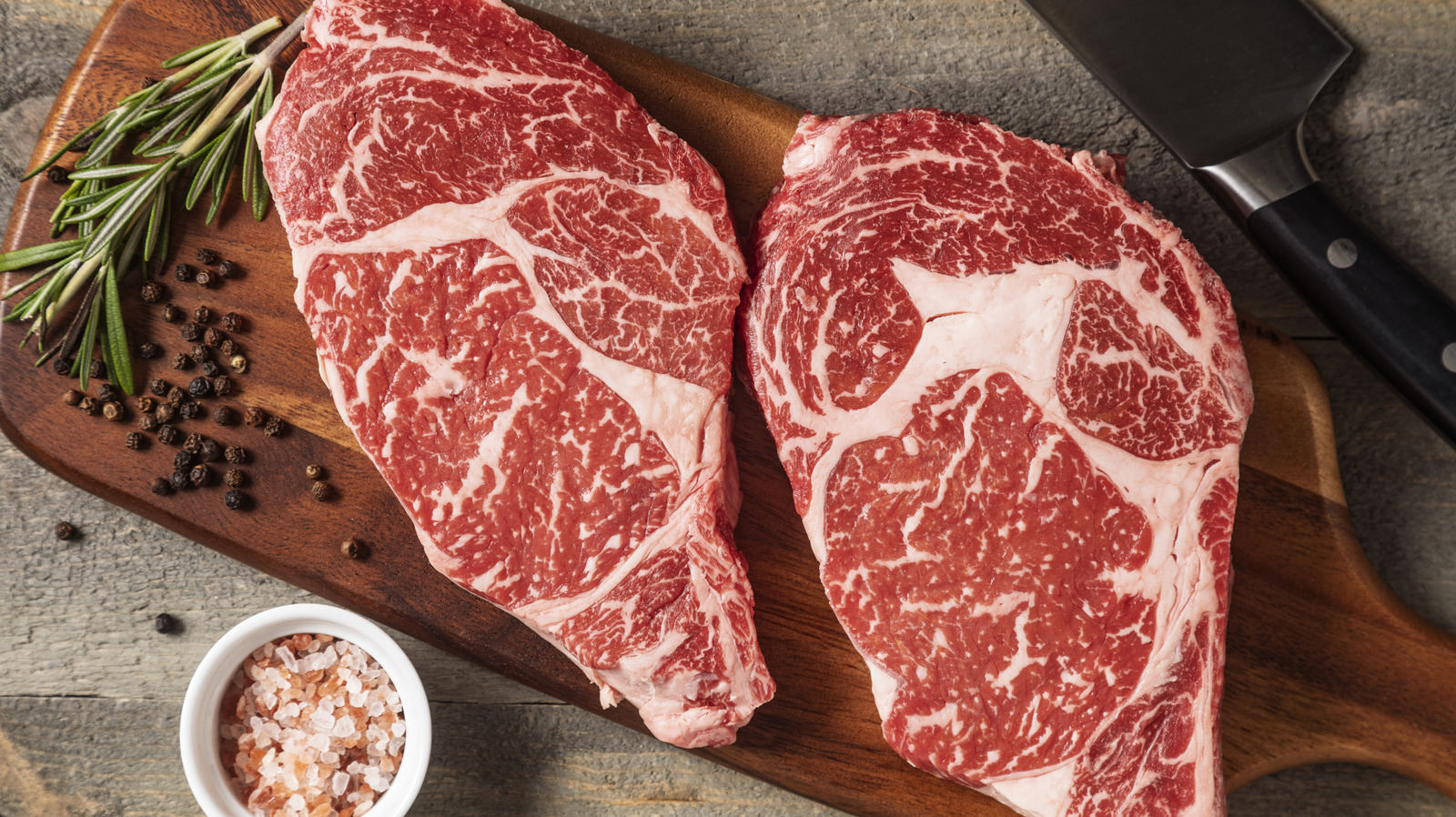
Daily consumption of red meat provides important nutrients such as iron, vitamin B12, zinc, and high-quality protein that support energy, metabolism, and muscle growth. Overconsumption of red and processed meats, particularly more than two to three times per week, is associated with higher risks of heart disease, diabetes, cancer, and dementia. Health outcomes differ when red meat is eaten with plentiful plant foods, legumes, and whole grains versus with little plant intake. Moderation, balance, rotating protein sources, and sufficient dietary fiber reduce potential harms while preserving nutritional benefits.
""Red meat can definitely fit into a balanced diet," she says. "It is rich in iron, vitamin B12, zinc, and high-quality protein that supports energy levels, metabolism, and muscle growth. Despite these health benefits, however, overconsumption is possible. "Where we see more concern is when intake is higher over time," Benson adds, "especially with processed red meat, and especially when fiber intake is low.""
"A high intake of red meat and processed meats, more than two or three times per week, has been linked in multiple studies to serious health concerns including heart disease, diabetes, cancer, and even dementia, according to Harvard Health. Like Benson, Harvard recommends moderation and balance. While red meat is high in protein (almost 35 grams per 100-gram serving), the average 174-gram chicken breast offers about 44 grams. You can easily get as much protein from other sources without overdoing red meat."
""Someone eating red meat daily with very little plant food will likely have a different long-term outcome than someone eating it alongside vegetables, legumes, and whole grains," Benson explains. She recommends a variety of protein sources, with red meat as only one part."
Read at Tasting Table
Unable to calculate read time
Collection
[
|
...
]