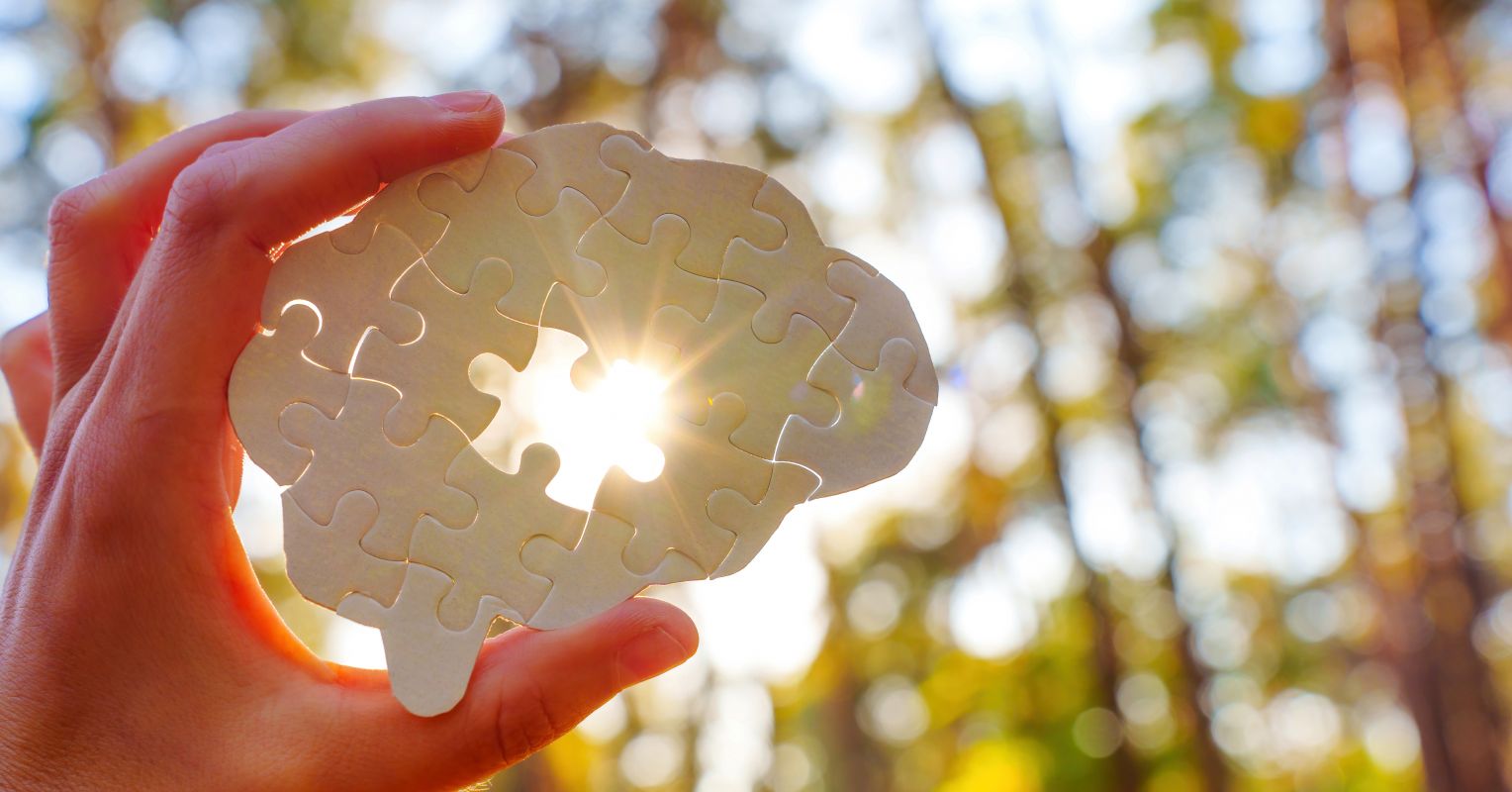
"For a long time, brain health felt abstract. Something you worried about later. Or something only neurologists talked about. That is changing fast. In 2026, brain health steps into the spotlight in a very practical way. Not as a fear-based conversation about decline, but as a skills-based conversation about resilience. Here is the big shift: Brain health is no longer framed as something you either have or lose. It is something you build. Daily."
"Research institutions are not just publishing papers. They are translating science into action. The Salk Institute has named 2026 the Year of Brain Health, with research focused on sleep timing, circadian rhythms, metabolism, and daily behaviors that influence how the brain functions over time. The emphasis is practical: How real people protect brain health in real life."
Brain health depends on daily habits—sleep, movement, nutrition, and stress management—that influence attention, memory, mood, and resilience. Practical approaches in 2026 emphasize building brain performance now rather than only preventing future decline. Research institutions and global forums are translating discoveries into action, integrating AI, precision methods, and accelerated therapeutics to support prevention and resilience. The Salk Institute’s Year of Brain Health targets sleep timing, circadian rhythms, metabolism, and everyday behaviors. Nutrition research highlights how common nutrients support cognitive function across the lifespan. Small, consistent lifestyle choices shape brain performance at every age.
Read at Psychology Today
Unable to calculate read time
Collection
[
|
...
]