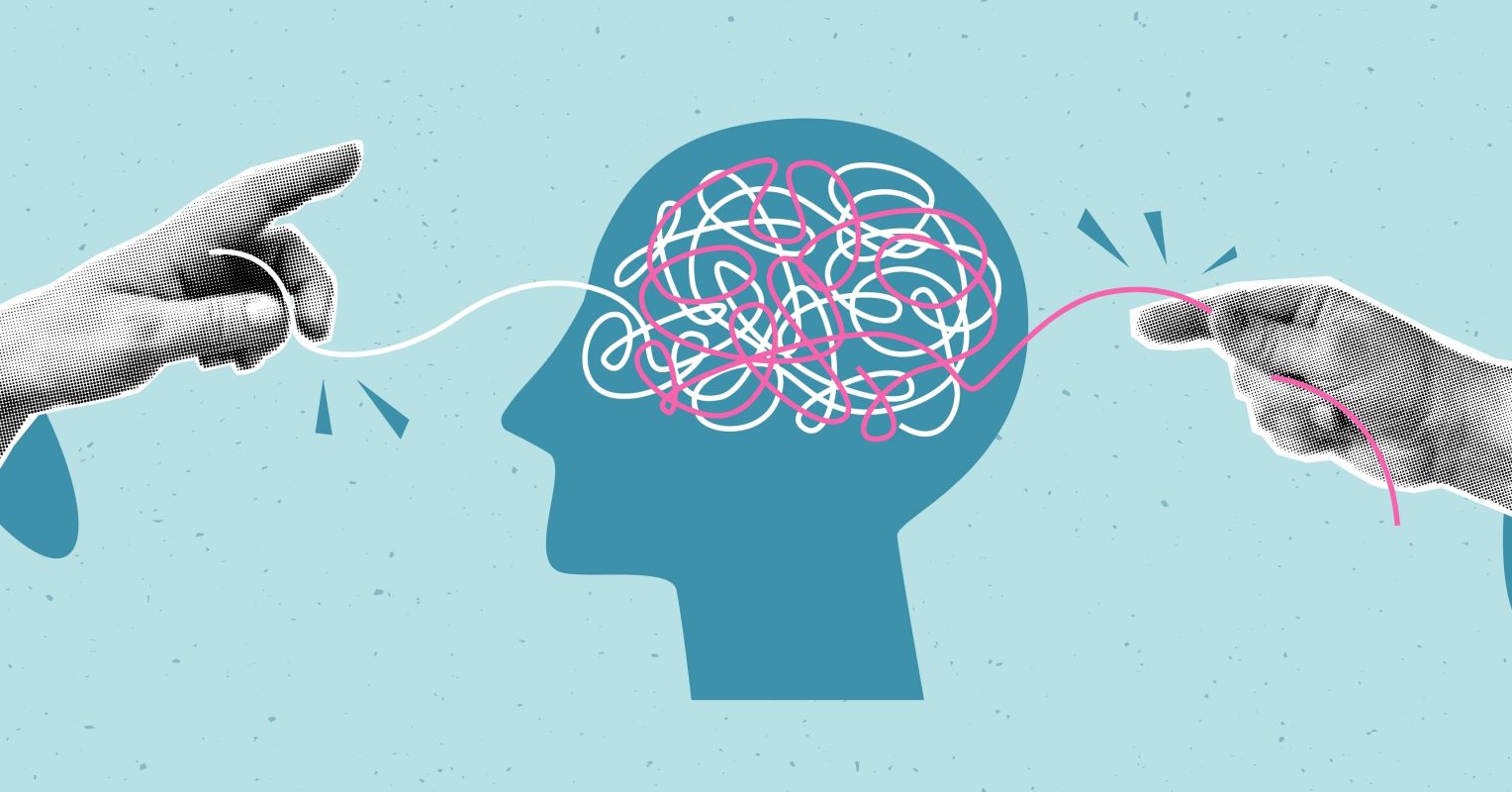
"There's a lot of evidence showing that cognitive-behavioral therapy (CBT) works if by "works," you mean it provides statistically significantly more symptom relief than is provided by doing nothing (Shedler, 2015, 2025). The catch is that statistical significance can mean almost no relief at all, the difference of a couple of points on a 45-point scale. It's like saying a weight-loss program works if the average participant goes from 100 pounds overweight to 97 pounds overweight."
"CBT makes sense because we often change our behavior when we change our beliefs. For example, if you are looking for the mustard at the grocery store among the salad dressings, it may be said that you believe the mustard is in Aisle 4. When someone tells you the mustard is in Aisle 7 with the condiments, this change in your belief is followed by a change in your behavior."
CBT often produces statistically significant symptom reductions that lack clinical meaningfulness, with many patients remaining symptomatic after treatment. Short treatment duration in typical CBT protocols contributes to limited effectiveness. CBT's rationale rests on changing beliefs to change behavior, but core beliefs formed in childhood function like maps of reality and are deeply held. Patients often hold problematic beliefs like articles of faith, resisting simple belief-challenging. Effective work requires engaging patients as active participants and addressing the function of beliefs, which can convert "sacred cows" into ordinary issues amenable to change.
Read at Psychology Today
Unable to calculate read time
Collection
[
|
...
]