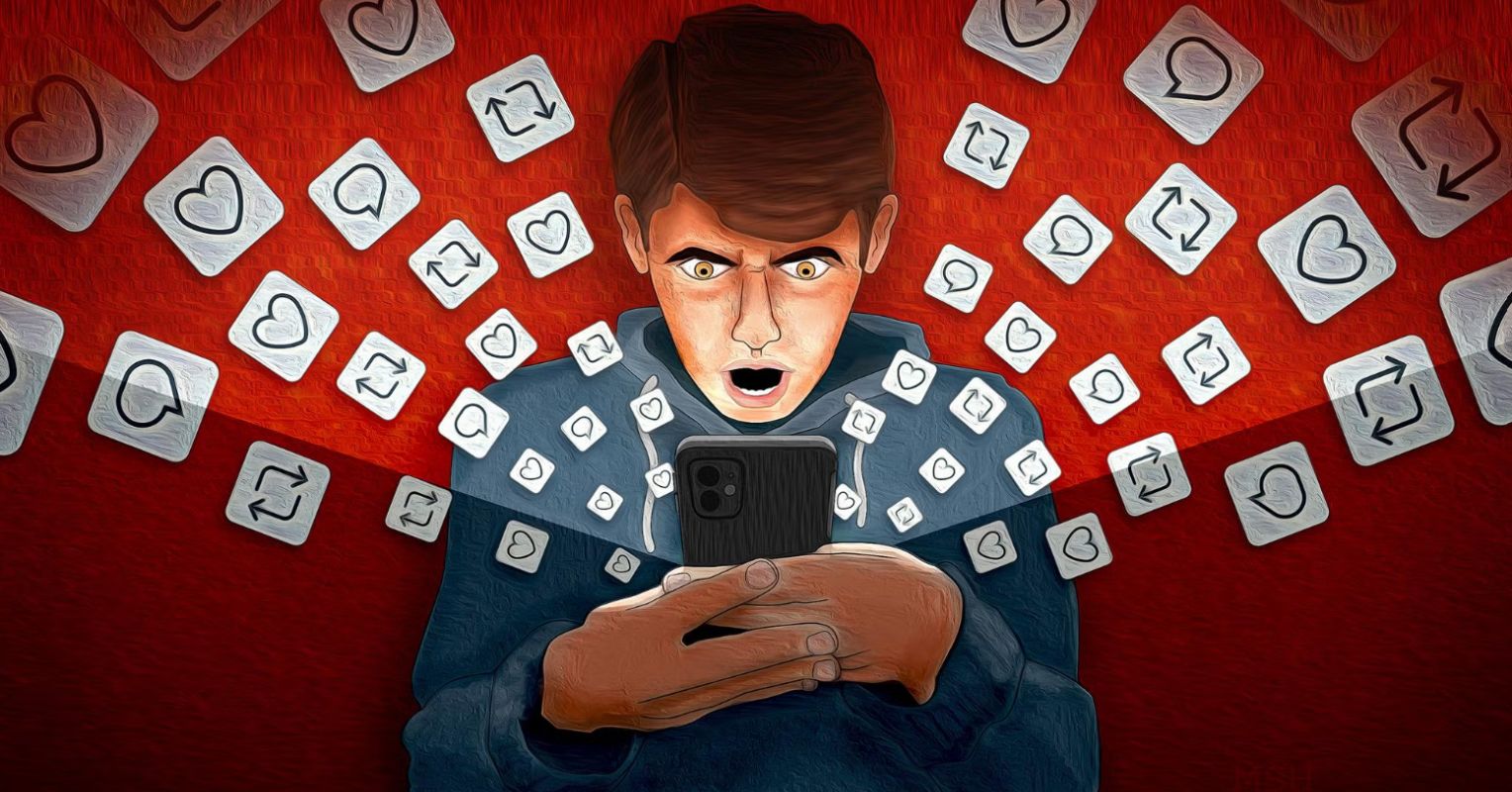
"Fake content spreads faster because it triggers strong emotions that elicit quicker responses. Biases and social media algorithms combined make people more likely to believe and trust fake content."
"From a psychological perspective, online customer reviews serve as strong social proof, one of the most influential shortcuts in human decision-making, making it possible for people to process information heuristically."
"Fake reviews are neither hypothetical nor rare. In the contemporary digital landscape, they influence a massive number of people, shaping their opinions and behavior and affecting billions of dollars in economic activities."
"Research shows that even a small number of manipulative reviews can significantly influence a business's perceived status."
Fake content proliferates quickly as it evokes strong emotions, leading to faster responses. Social media algorithms and biases increase the likelihood of believing fake information. Consumers often rely on social proof, such as online reviews, to make decisions. However, fake reviews can mislead consumers, resulting in dissatisfaction and impacting future purchasing behavior. The manipulation of reviews can significantly alter a business's perceived status, highlighting the need for critical thinking in an AI-driven world.
Read at Psychology Today
Unable to calculate read time
Collection
[
|
...
]