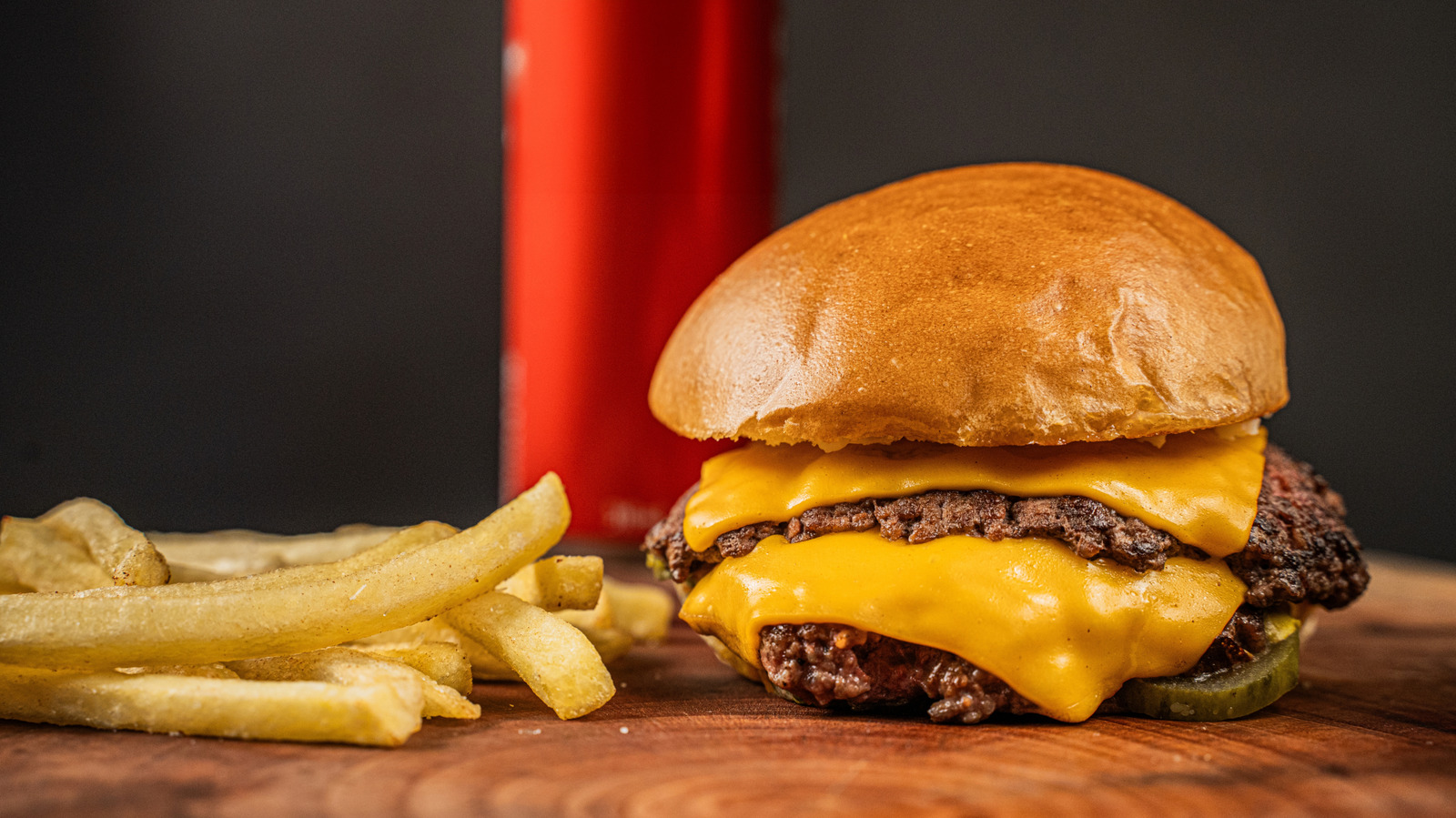
"When given the choice between two similar products, people often choose the cheaper option. The decoy effect makes use of a third option to get you to pay more money. It can do this in one of two ways. The first method tricks you into buying a mid-priced option. Let's say a restaurant sells french fries. Small costs $1, medium costs $2, and large costs $3."
"Most people will choose medium in this situation, avoiding the one perceived as being too low value and the one that is too expensive. If there was only small and large, more people would probably buy the small. By comparison, with three options, the medium seems better. We've talked before about how restaurants might do this to get you to buy more expensive wine."
"An alternate method, called asymmetric dominance, could price the fries at $1, $3.50, and $4. Now the small fries seem like they must have very low value, while the most expensive fries look like a deal. They're only $0.50 more than the medium, which seems like a small difference. The effect tricks you into thinking the large is now the best value. This method is even effective with only two options priced close together."
The decoy effect introduces a third option to shift consumer choice toward higher-priced items. One method adds a mid-priced option that appears to balance value and cost, increasing purchases of the medium-sized product. Another method, asymmetric dominance, positions a clearly inferior option so the most expensive option appears comparatively valuable. Examples include fries priced to make large sizes seem like bargains, popcorn sizes priced with small differences to nudge buyers upward, and combo sizing that makes upsells cheap. The effect can work even with only two options priced closely, exploiting perceived relative value rather than absolute price.
Read at Tasting Table
Unable to calculate read time
Collection
[
|
...
]