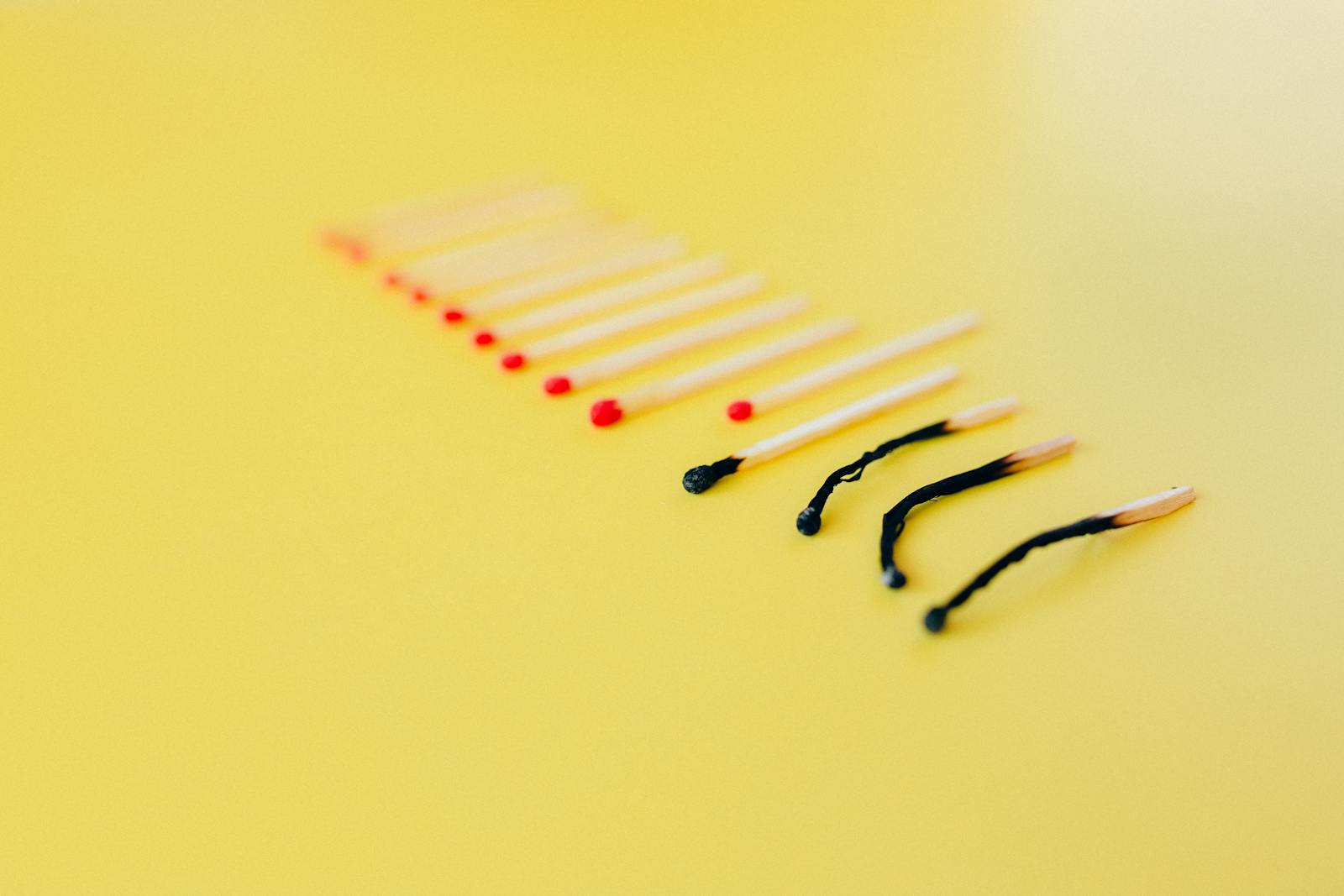
Many socially skilled, charismatic people experience severe exhaustion after social interactions, but this isn't introversion—it's performance fatigue. True introversion involves neurological stimulus sensitivity, while performance fatigue results from constant self-monitoring and behavioral adjustment. High self-monitors continuously rebuild themselves to fit perceived social demands, treating each interaction as a micro-performance. This exhausting survival strategy often originates in childhood family dynamics where emotional expression was conditional or unsafe. Understanding this distinction is crucial because misidentifying performance fatigue as introversion prevents people from addressing the underlying cause of their depletion.
"Introversion, as psychologists like Hans Eysenck and later Susan Cain have framed it, is about stimulus sensitivity. Introverts process social input more deeply, which means they reach saturation faster. It's a neurological baseline, not a wound. But what we're seeing in a lot of people who self-identify as introverts - especially high-functioning, socially skilled ones - isn't stimulus overload. It's self-monitoring overload."
"High self-monitors are people who constantly adjust their behavior, tone, and emotional expression to match what they think a situation demands. They read the room - then they rebuild themselves to fit it. Every conversation becomes a micro-performance. This isn't charm. It's survival strategy disguised as charm."
"Most people who perform in social spaces didn't learn this skill at a networking event. They learned it at the kitchen table. In families where emotion..."
#performance-fatigue #self-monitoring #introversion-misconception #social-exhaustion #behavioral-psychology
Read at Silicon Canals
Unable to calculate read time
Collection
[
|
...
]