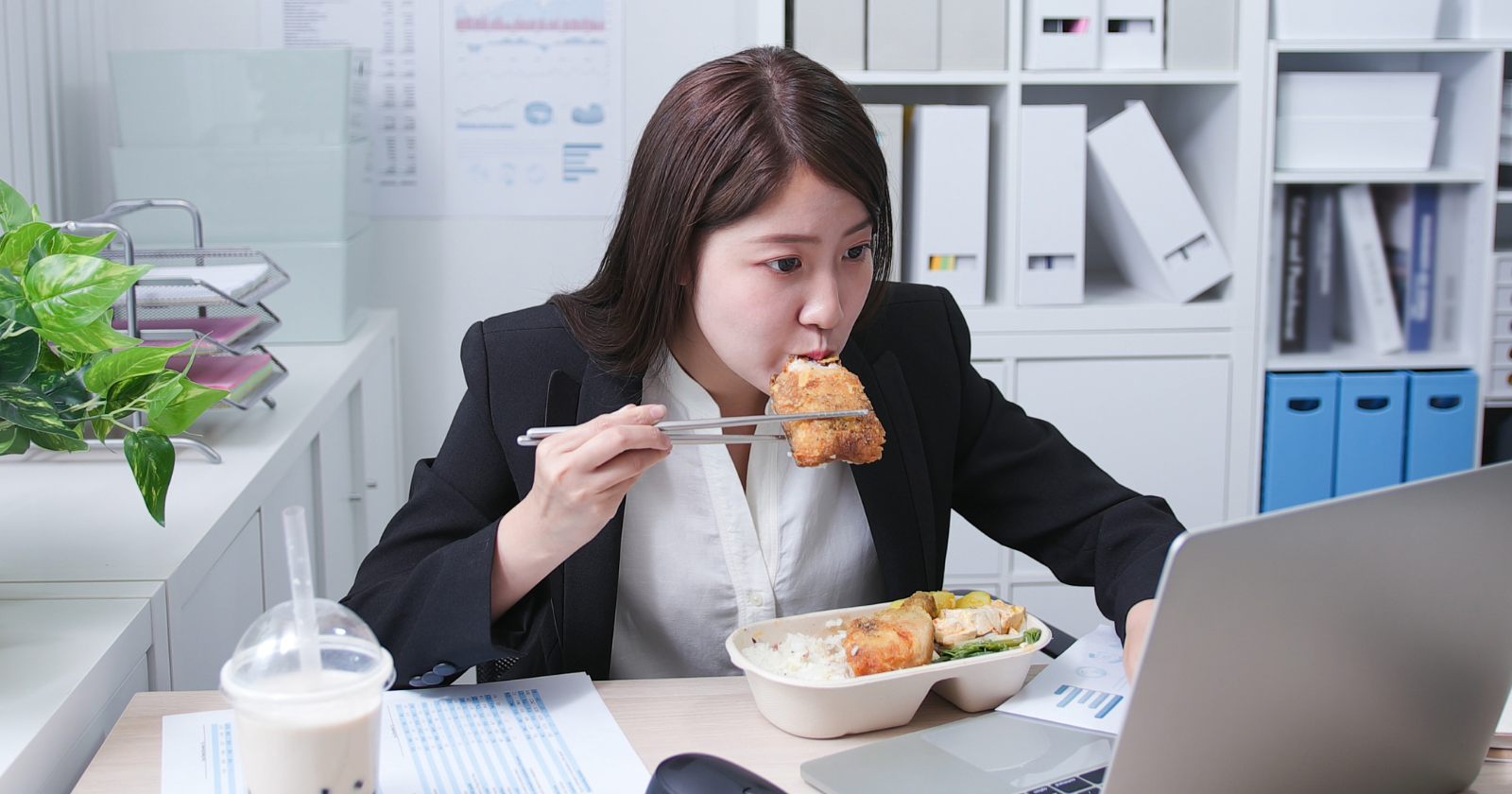
Many solitary lunch diners exhibit emotional security, self-awareness, and firm personal boundaries rather than social anxiety. Emotionally secure individuals do not require constant external validation and make decisions based on internal needs instead of peer expectations. Voluntary solitude supports creativity, reflection, and restoration. Choosing to eat alone can increase confidence by removing the pressure to perform social roles during meals. Internal validation and clear boundaries enable people to decline social obligations without guilt. The voluntary practice of alone time at lunch reflects emotional maturity and a deliberate prioritization of personal well-being.
"The psychology behind this behavior reveals something profound about self-awareness and personal boundaries. Those who confidently choose solitude over social obligation often possess a level of emotional maturity that many of us are still working toward. 1) They don't need constant external validation Have you ever agreed to lunch plans just because saying no felt awkward? Emotionally secure solo diners don't operate this way. They've moved past the need for constant affirmation from their peers."
"Have you ever agreed to lunch plans just because saying no felt awkward? Emotionally secure solo diners don't operate this way. They've moved past the need for constant affirmation from their peers. People with strong internal validation systems make decisions based on their own needs rather than others' expectations. When someone chooses to eat alone, they're essentially saying, "My worth isn't determined by how many lunch invitations I accept.""
Read at Silicon Canals
Unable to calculate read time
Collection
[
|
...
]