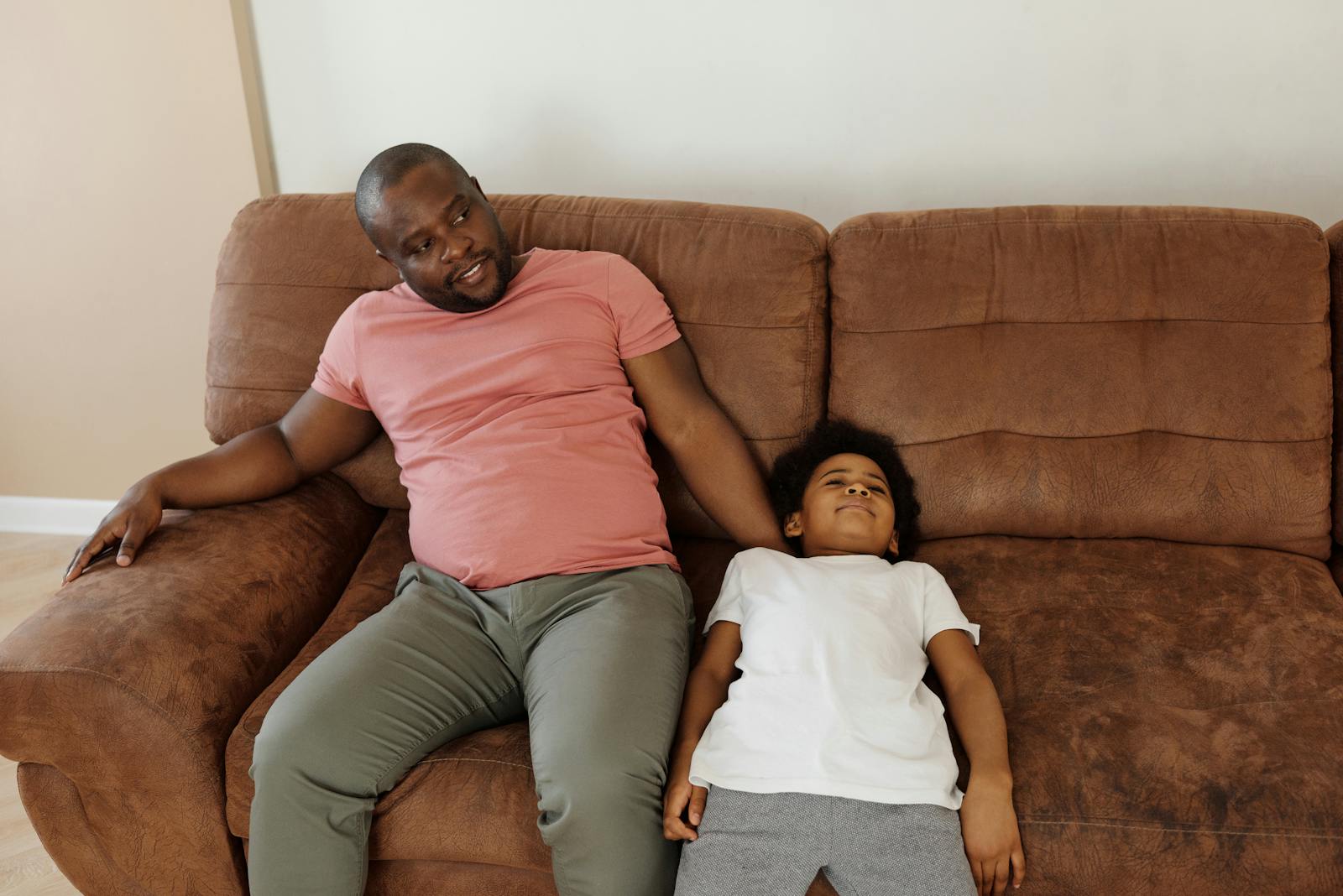
"For years I read that as indifference. I was wrong. When I was sick at fourteen, he slept in the hallway outside my room for three nights. Not in the room. In the hallway. Close enough to hear me, far enough to maintain the boundary he needed."
"The conventional reading of emotionally unavailable fathers is that they lack emotional capacity. That they don't feel enough, or don't feel the right things, or have some internal deficit that prevents connection."
"What I've come to understand, slowly and only recently, is that this framing misses something fundamental about what emotional withholding actually protects against."
A father's emotional distance can be misinterpreted as indifference, but it often stems from a desire to protect vulnerability. The author reflects on their father's subtle expressions of love, such as sleeping outside their room when they were sick. Growing up, the father demonstrated care for patients without verbalizing it, leading to misconceptions about emotional availability. The author challenges the notion that emotionally unavailable fathers lack capacity for connection, suggesting that their restraint may actually serve to protect deeper feelings and vulnerabilities.
Read at Silicon Canals
Unable to calculate read time
Collection
[
|
...
]