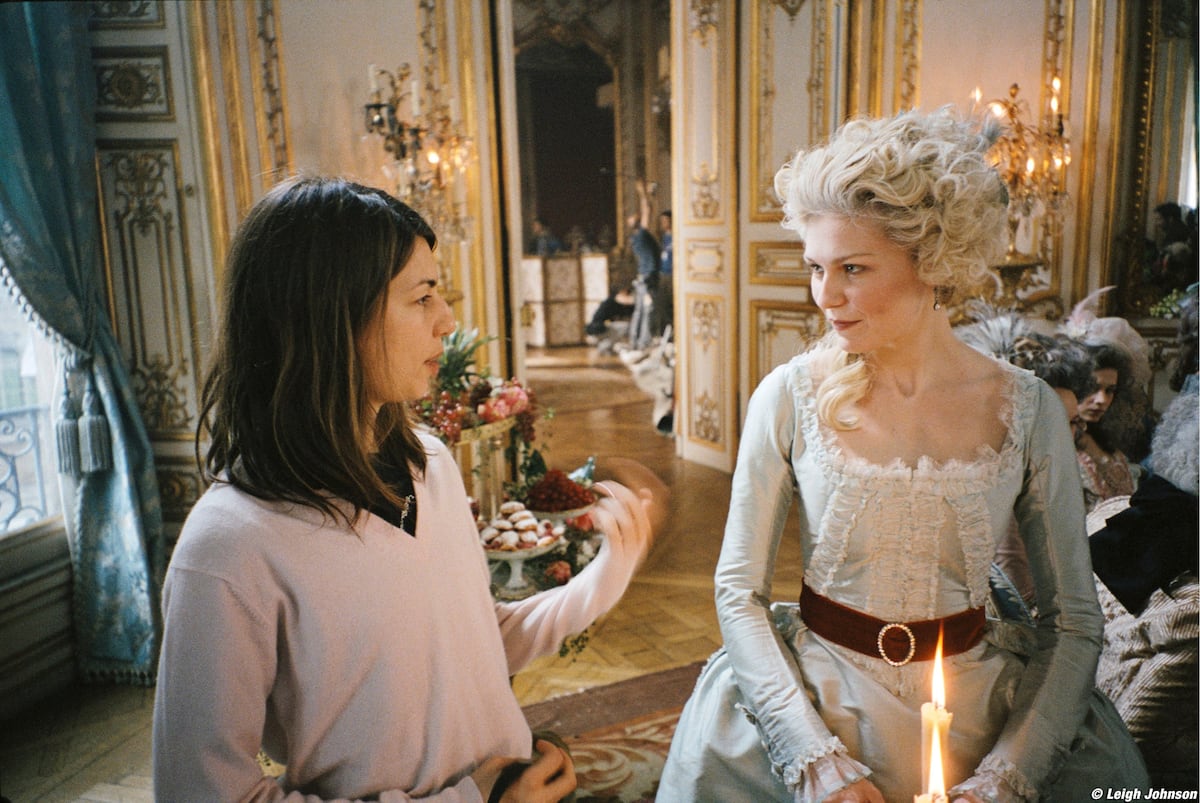
The film’s look, music, and portrayal of femininity feel current, blending pop culture with historical drama. Its treatment of fame and public exposure aligns more with Instagram and TikTok than with earlier social media eras. Specific images and details appear designed for circulation, including pastel macaroons, desire-focused shoes, long parties, contemporary songs in Versailles, and a Converse sneaker hidden among period footwear. In 2006, critics at Cannes and many journalists labeled the work superficial, capricious, and frivolous. After two decades, reactions have shifted, and the film is increasingly seen as using modern visual culture to deepen rather than trivialize the story.
"Generally speaking, there is something odd about the way we perceive the passage of time in the 21st century. In speaking of film, there are certain movies that seem to age rapidly. And then there are those that stay trapped in a kind of permanent present. Sofia Coppola's Marie Antoinette clearly belongs in the latter category. Today, its visual imagination still seems absolutely contemporary, as does its use of music, its mix of pop culture and historical drama, and the manner in which it films femininity."
"Some shots from Marie Antoinette seem to have been designed to circulate on social media. The pastel macaroons, the shoes (designed by Manolo Blahnik) arranged as objects of desire, the interminable parties, songs by The Strokes playing in Versailles and that famous Converse sneaker, hidden among period heels. It all transmits a visionary modernity, as if the New York director had understood before anyone else where visual culture would be moving in the following decades."
"But in 2006, some of the film's critics interpreted this prescience as defect. The movie was booed (if also applauded) at the Cannes Film Festival, and an abundant number of journalists described it as superficial, capricious and frivolous. Twenty years later, perception of it is nearly the opposite. It's becoming increasingly evident that Coppola was not trivializing the story of Marie Antoinette, but rather, utilizing the 18th"
Read at english.elpais.com
Unable to calculate read time
Collection
[
|
...
]