"We live in extraordinarily stressful times, so it's no wonder that, with people feeling repeatedly knocked down by events, the concept of resilience is on a lot of people's minds. From the workplace to therapy sessions, to online chat rooms, resilience is often framed as toughness or the ability to "bounce back" quickly. Notably, whenever a community suffers a mass shooting, natural disaster, or other traumatic experience, they inevitably take on the moniker of "Strong," as in "We will overcome this.""
"If you've ever lived through something life-altering-a diagnosis, a loss, a major upheaval-you know there's no simple return to who you were before. Psychologically, resilience isn't about going back to baseline. It's about finding a new equilibrium. It's the process of reorganizing your inner world so you can move forward, even when life looks different. It's not a "new normal"-it's the "next normal.""
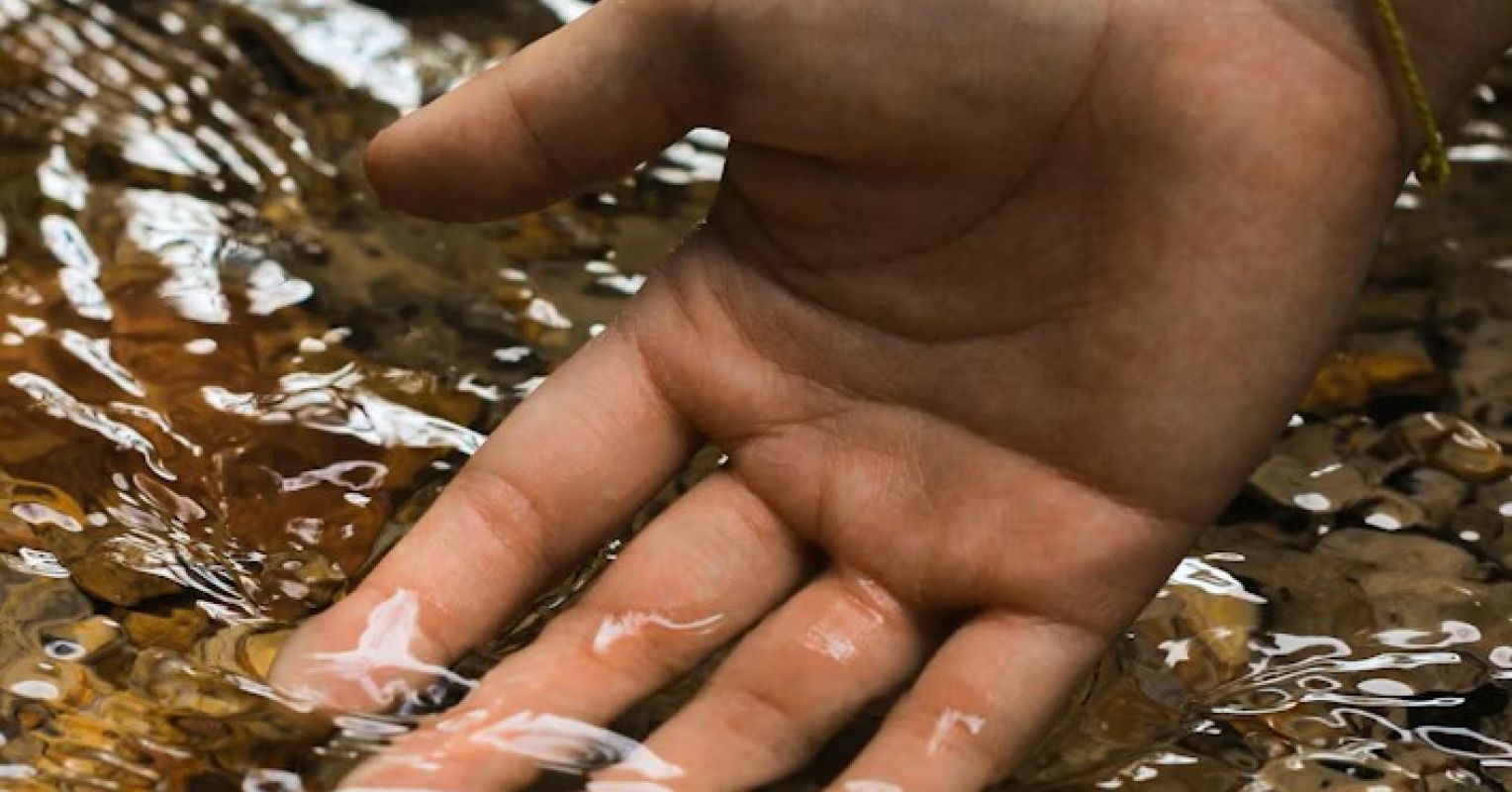
Resilience is psychological flexibility rather than hardness, centering on adaptability and softness instead of force. Psychological flexibility involves shifting perspectives, integrating new information, tolerating difficult emotions, and acting in alignment with values. Recovery from trauma and major life changes requires reorganizing inner life to find a new equilibrium, not returning to a prior baseline. Softness modeled by water—moving, adjusting, and dissolving rigidity—illustrates sustainable resilience. Trauma research shows resilience is a dynamic process that emerges over time through flexible responses and adaptive reorganization. Communities and individuals cultivate lasting resilience by prioritizing flexibility, acceptance, and value-guided action.
Read at Psychology Today
Unable to calculate read time
Collection
[
|
...
]