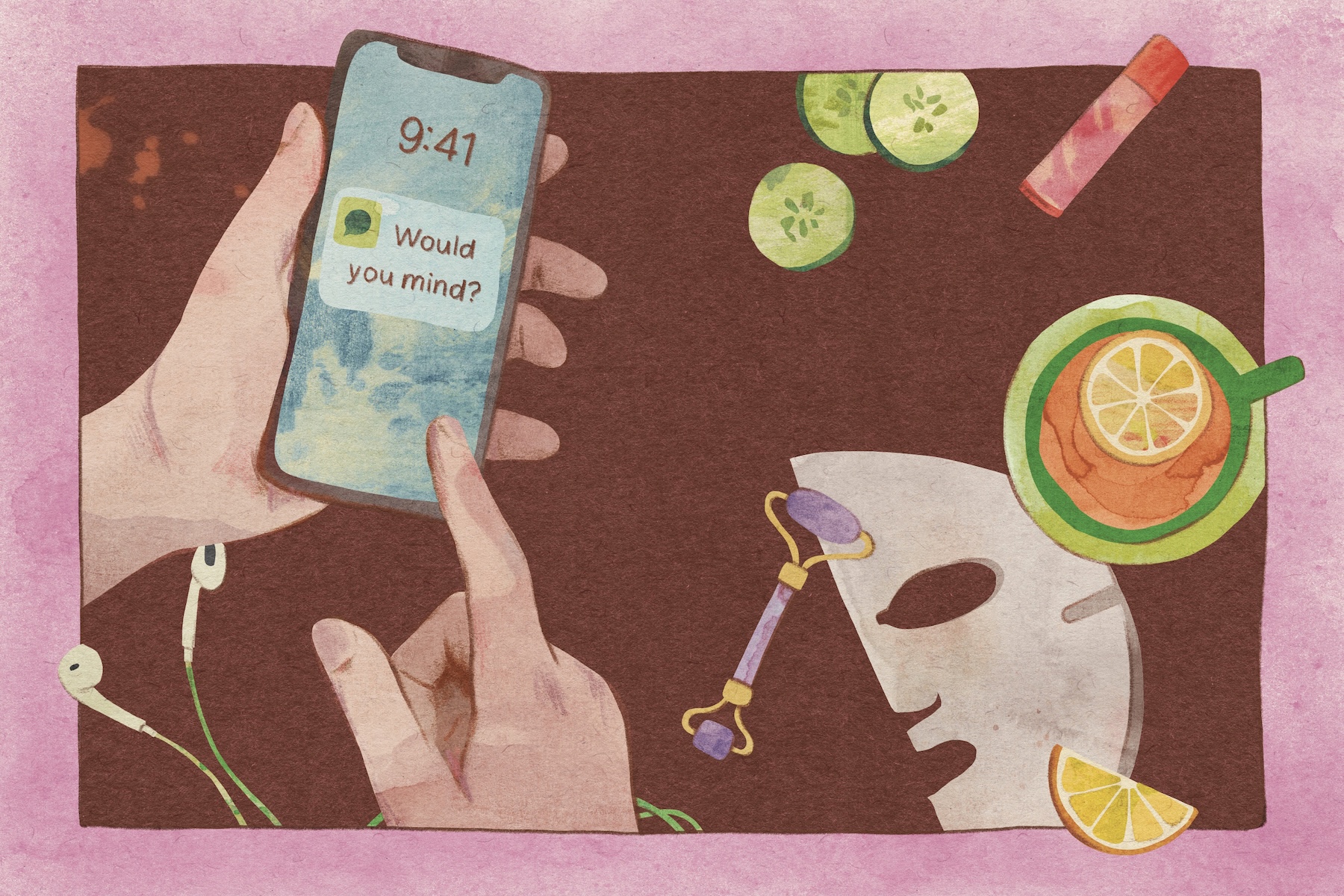
Elise Moser traditionally managed all holiday preparations until hospitalization forced her to accept family help. Resting at home while her family handled cooking, cleaning, and celebrations, she experienced the holiday differently—enjoying the atmosphere without bearing the burden. This experience prompted her to reconsider accepting every task automatically. She decided to establish boundaries and say no to commitments that weren't essential. While research demonstrates that inability to say no increases burnout and decreases productivity, understanding this intellectually differs from implementing it practically. Society increasingly recognizes saying no as empowerment and self-care, yet execution remains challenging for many people.
"By the time her guests were leaving, Moser had reached a decision, telling them: 'I'm planning to be sick again next year.' Moser saw her unexpected Xmas illness as cosmic intervention: maybe she didn't need to accept every task that tried to elbow its way onto her to-do list. The low-stress season was the final push she needed to change her mindset."
"Research has linked the inability to say no to increased burnout and decreased productivity. TED Talks on the subject abound, while Etsy is awash in motivational throw pillows that read 'No is a complete sentence!' In a world obsessed with improvement and optimization, 'no' is empowerment, it's feminism, it's self-care—the new bubble bath that might leave you with time to have an actual bubble bath."
Read at The Walrus
Unable to calculate read time
Collection
[
|
...
]