"When we say that someone has "slept soundly," what do we mean? Basically, we mean that someone slept well, but the sound part is interesting, since in the 21st century, there's a whole subset of our culture obsessed with using soundscapes, music, and sleep stories to either fall asleep more easily, or, in a more dubious claim, to promote better sleep."
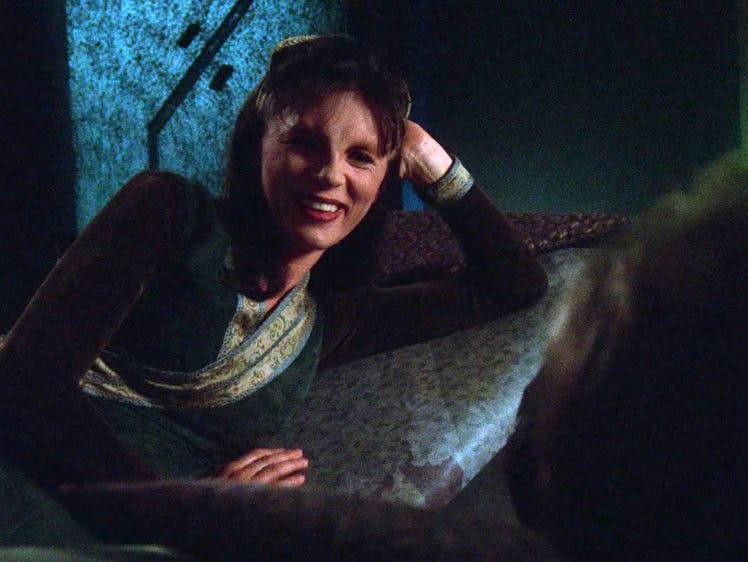
"In 1996, in an episode called "Messages from Earth," part of the beloved sci-fi TV series Babylon 5, Captain John Sheridan (Bruce Boxleitner) confesses to his Minbari colleague Delenn (the late, great Mira Furlan) that he always got a good night's sleep thanks to the sound of rain. As he and Delenn try to get a rest before a space battle, she deftly has the alien computer of the starship White Star play rain sounds for Sheridan, because, wow, in the future, wise aliens have figured out the science of simulated sounds as a sleep aid."
A Babylon 5 scene shows a character using simulated rain played by a starship computer to fall asleep, illustrating early imaginings of effortless sound-based sleep aids. Recorded relaxation noises have existed across formats from cassettes and vinyl to CDs, and now appear as instantaneous options in apps like Calm. Modern soundscapes, music, and narrated sleep stories aim to help people fall asleep or claim to improve sleep. Common motivations include combating noise pollution, insomnia, stress, and anxiety. The concept of "slept soundly" links sleep quality to sound, and supportive sounds generally work by reducing disruption and cueing rest.
Read at Inverse
Unable to calculate read time
Collection
[
|
...
]