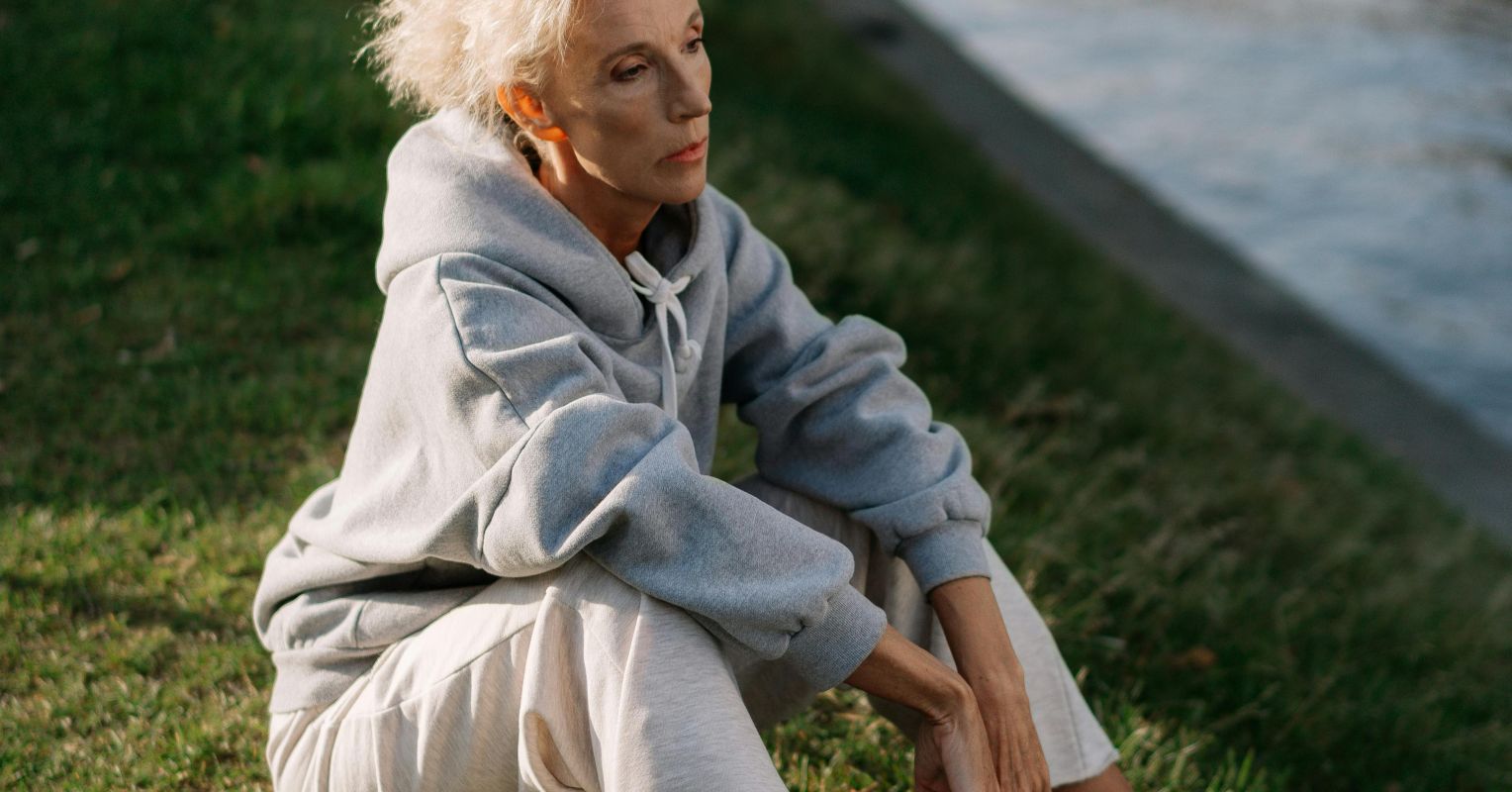
"We sometimes surround feelings and experiences with buffers that keep us safe from fully feeling them. Some of these buffers are: a story, a familiar belief about ourselves, an addictive habit, or a hastening to fix, change, or control our feelings or the situation. These are all ways of doing something rather than simply being with what is happening to us."
"Most of us have a fear of simply being right here, right now, preferring to take some action that will make things better. We thereby disable our natural and spiritual inclination to surrender to what is, with an unconditional yes. Most of us cannot trust what may happen when a feeling is allowed to run its full course. We cannot trust that the universe wants to teach us something when we find ourselves in a distressing predicament."
"At some time, you were lonely. Immediately, without conscious effort or choice, you probably took some inner or outer action. You thought or did something. For instance, you told yourself the story of how no one really wants to be with you, maybe even noticing evidence of that going all the way back to childhood. You thereby confirmed your habitual belief about yourself as a victim, someone unlovable or unworthy."
Learning to remain present with feelings, including negative ones, allows emotions like loneliness, fear, and anxiety to lose their grip and to transform. Many people use buffers—stories, familiar self-beliefs, addictive habits, or rushed attempts to fix or control—as ways to avoid fully feeling experience. Avoidance disables the natural inclination to accept what is with an unconditional yes. Distrust of uncertain outcomes drives the need for control and prevents trusting that difficult feelings can teach or resolve themselves. Habitual narratives can reinforce victim identities and trigger distraction behaviors, preventing the full resolution that comes from allowing feelings to run their course.
Read at Psychology Today
Unable to calculate read time
Collection
[
|
...
]