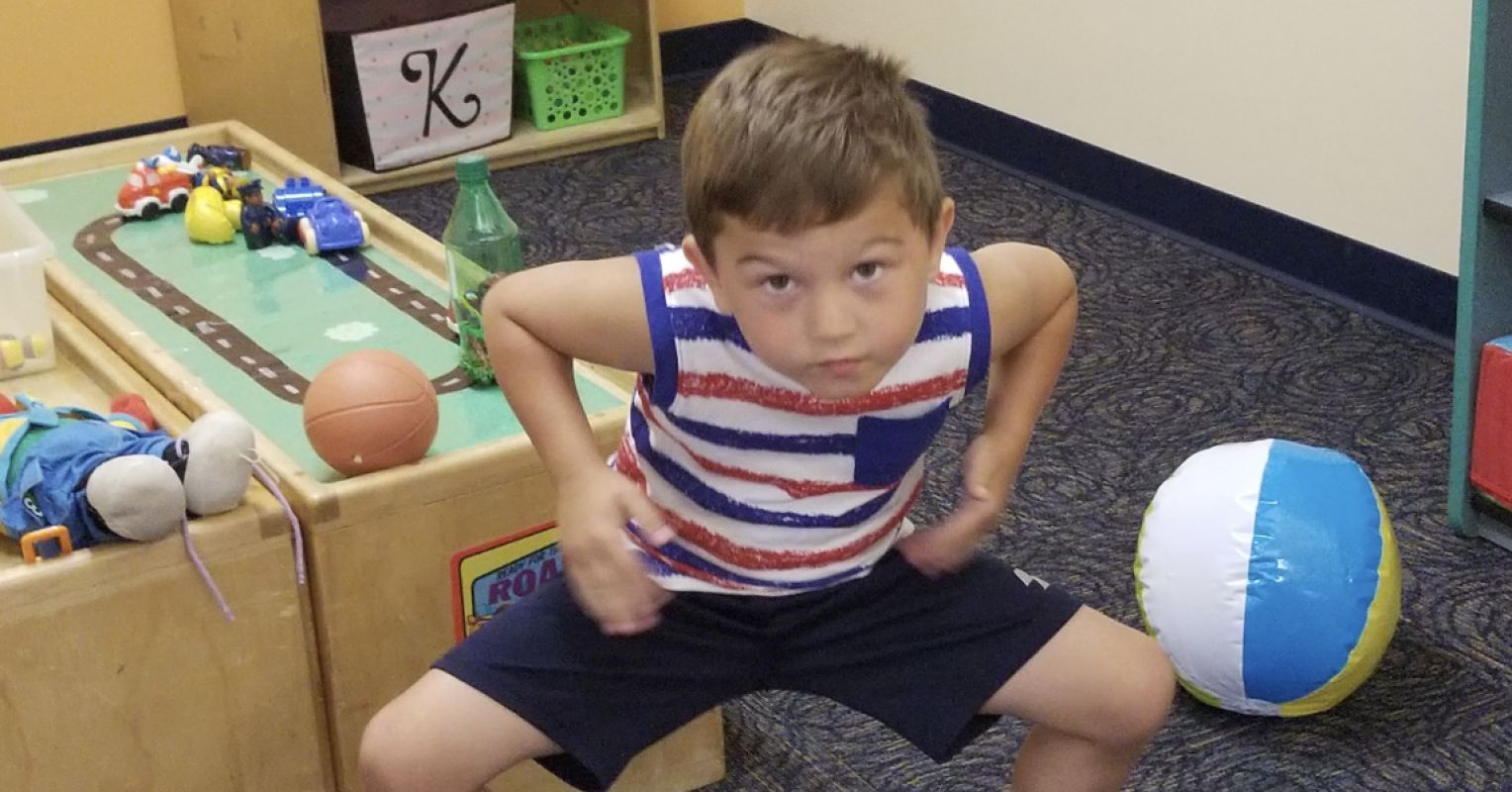
"One of the most powerful mindset shifts a parent can make is to stop seeing behavior as a character flaw and start seeing it as a form of communication. Let that sink in. Beneath the surface of tantrums and attitude is often a nervous system stuck in survival mode-operating from the fight-flight-freeze response. Trying to manage unmet needs. Understanding this shift in perspective can transform not only how you respond to your child, but the emotional climate of your entire home."
"The fight-flight-freeze response is the body's built-in alarm system. When the brain perceives a threat, it triggers a cascade of stress hormones designed to keep us safe. And to make it more complicated, the threat does not even need to be real. A perceived threat will trigger the same biological response. And the behavioral response to that threat is often unwanted, undesired, and even downright embarrassing."
"When a child's nervous system is overwhelmed, their thinking brain (the prefrontal cortex, which still is not fully developed) goes offline. They are no longer choosing their behavior in a calm, rational way. They are reacting from a place of perceived danger-even if that "danger" is something as simple as being told no, feeling frustrated, or even being asked to eat a piece of broccoli."
Temper tantrums, eye-rolling, back-talk, and door-slamming often reflect an overwhelmed nervous system rather than deliberate disrespect. The fight-flight-freeze response activates the body's built-in alarm system and releases stress hormones when the brain perceives a threat, real or imagined. In children this response appears as fighting behaviors (yelling, hitting, tantrums), fleeing behaviors (running away, shutting down), or freezing (zoning out, going silent). When overwhelmed, the prefrontal cortex goes offline and children react impulsively instead of choosing calm, rational behavior. Perceived threats can include simple experiences like being told no or being asked to eat broccoli. Viewing behavior as communication and addressing unmet needs can transform parental responses and the home's emotional climate.
Read at Psychology Today
Unable to calculate read time
Collection
[
|
...
]