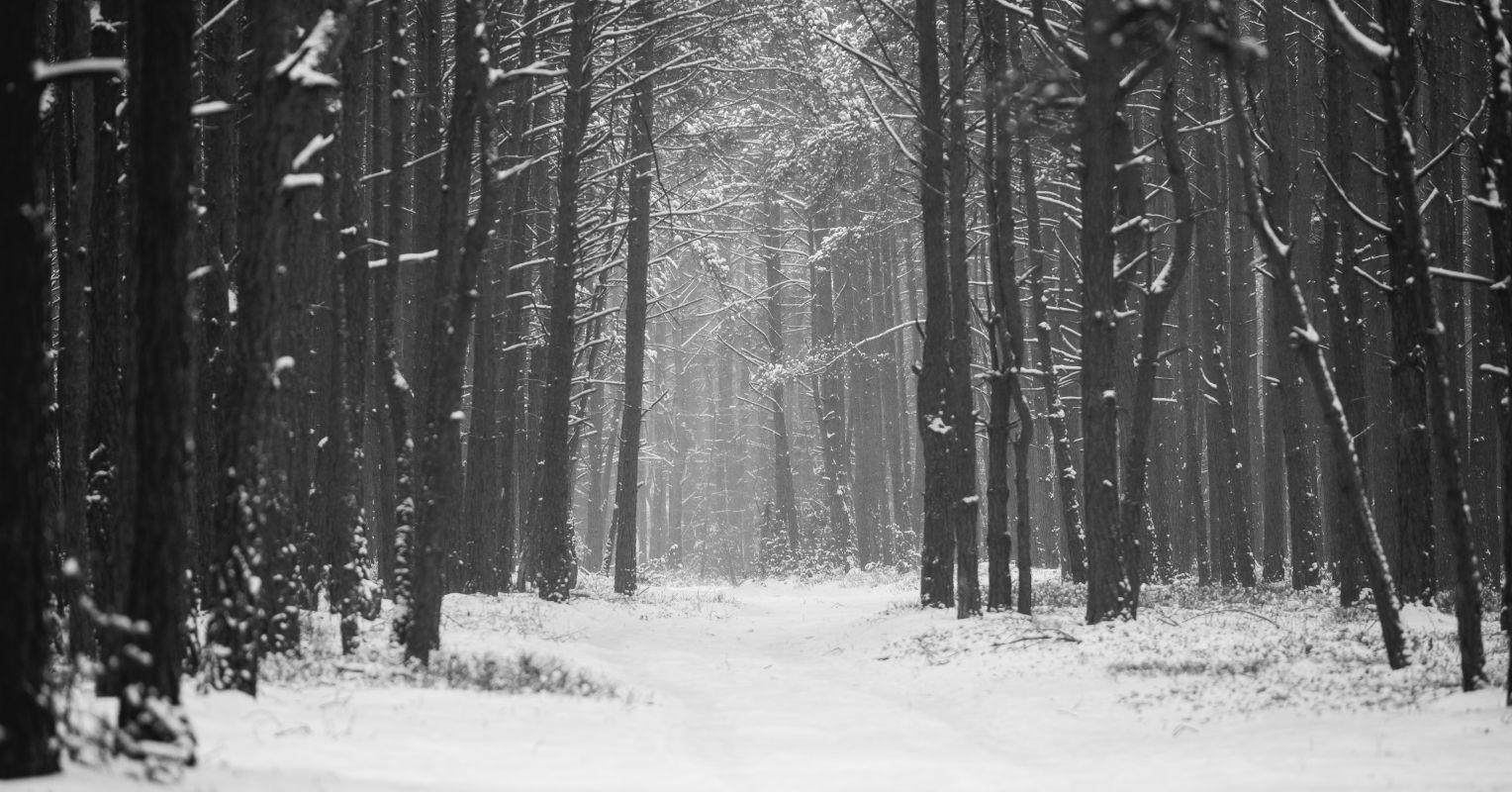
"There is great irony in the fact that we tend to associate the winter holiday season with busyness, stress, and overwhelm. While we are rushing and doing, the natural world around us is in a completely oppositional state-resting, slowing down, cooling, hibernating, restoring itself."
"The statistics from the human world are stark: The risk of having a heart attack or stroke rises during the holiday season (Aubrey, 2025), nearly 9 in 10 U.S. adults report that something causes them stress during the holiday season (American Psychological Association, 2023), and three in five Americans feel their mental health is negatively impacted by the holidays (Gillison, 2021)."
"For all the strength of the Oak tree, however, it is noticeable that they can crack open, branches can break or die back. But Oak trees seem never to give up: they can be struggling into leaf when the tree is rotten with age. They don't know when to give up, they don't know how to give up."
The natural world slows, rests, cools, hibernates, and restores during winter while human behavior often increases in busyness and stress around the holidays. The contrast between nature’s seasonal slowing and human rush highlights a practical model for preventing burnout through rest and reduced activity. Holiday-season health risks rise: heart attack and stroke risk increases (Aubrey, 2025), nearly nine in ten U.S. adults report holiday-related stress (American Psychological Association, 2023), and three in five Americans report negative mental-health impact (Gillison, 2021). Ignoring nature’s cues and persisting like a stressed oak can lead to breakdowns and impaired wellbeing. Winter can function as a reminder to prioritize slowing down and self-care.
Read at Psychology Today
Unable to calculate read time
Collection
[
|
...
]