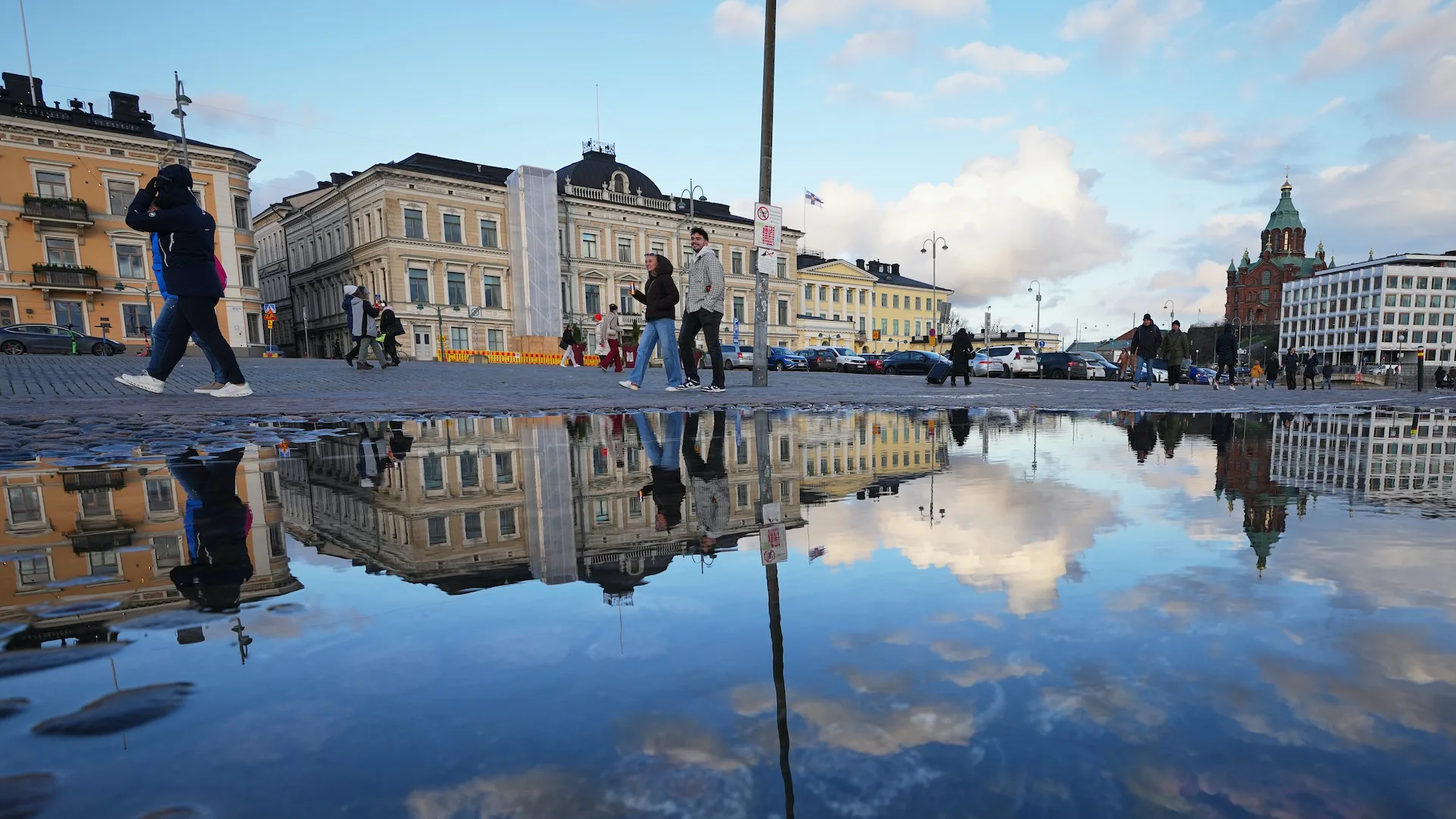
"Despite little to no daylight-plus months of frigid temperatures-people who live in northern Europe and above the Arctic Circle have learned how to cope mentally and physically with the annual onset of the winter blues, which can begin as early as October and last into April for some. The winter solstice will occur Dec. 21, marking the shortest day and longest night of the year in the Northern Hemisphere. While sunlight increases daily after that, winter won't be over for a while yet."
"Dr. Timo Partonen, a research professor at the Finnish Institute for Health and Welfare, said the dark winter affects our circadian rhythm. With limited daylight, our internal body clocks cannot reset or synchronize properly and it throws off our sleep. We may sleep longer in the winter, he said, but we don't wake up refreshed and can remain tired the rest of the day."
Nordic regions experience long, dark winters with little daylight and months of frigid temperatures, prompting seasonal winter blues that can start in October and persist into April. The winter solstice on Dec. 21 marks the shortest day and longest night, and daylight increases slowly afterward while winter conditions continue. Reduced daylight disrupts circadian rhythms, preventing internal body clocks from properly resetting and causing sleep disturbances and daytime fatigue. People may sleep longer but not feel refreshed and can remain tired throughout the day. Strategies include maintaining regular sleep and social routines and using a dawn simulator (sunrise alarm) to ease waking.
Read at Fast Company
Unable to calculate read time
Collection
[
|
...
]