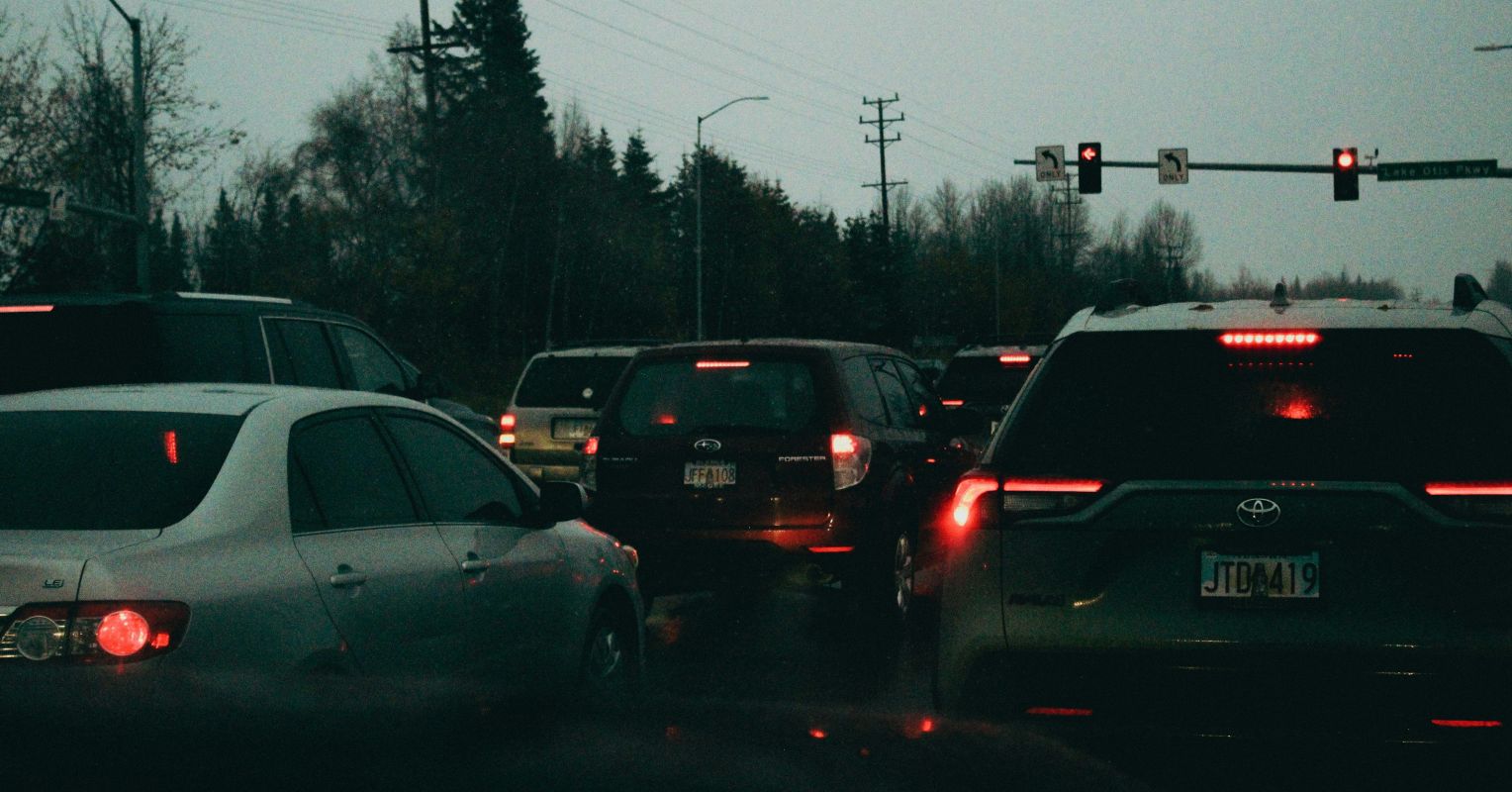
"Despite its real, devastating impacts across the United States, road rage is only explicitly penalized in a few states, like Utah. The scarcity of not only legal but also clinical treatment guidelines is unsurprising when research remains limited. As a psychiatrist, for example, I have met patients with histories of such behaviors, but not yet colleagues in my profession with expertise on this issue. One thing appears clear, however: Road rage is multifactorial and not traceable to any single cause or diagnosis."
"Road rage represents anger, which itself can be a "secondary emotion." Anger, including in motorists, often masks deeper feelings such as overwhelming frustration, anxiety, disgust, or fear. Despite its associated risks, the "rage" in road rage may sometimes feel more acceptable to express than vulnerable emotions do. Most motorists do not reflexively tap into aggression upon encountering bad drivers. Yet,"
Road rage manifests as motorists' uncontrolled anger that can escalate from aggressive braking to shootings and long-term harm. Legal penalties explicitly target road rage in only a few jurisdictions, and clinical treatment guidelines remain scarce due to limited research. Road rage constitutes outward behaviors rather than a standalone mental disorder and arises from multiple interacting causes. Underlying contributors include overflowing psychosocial stress, secondary emotions where anger masks fear or shame, social norms (especially among men), individual differences in frustration tolerance, substance use, and situational triggers. Effective responses require tailored clinical approaches and public policies that address psychological, social, and legal factors.
Read at Psychology Today
Unable to calculate read time
Collection
[
|
...
]