"Anger is not a single state of being. I liken it to a volcano. Active fury is the eruption stage. But magma collects in underground reservoirs. It might be thousands of degrees, but it can also stay far beneath the surface for centuries."
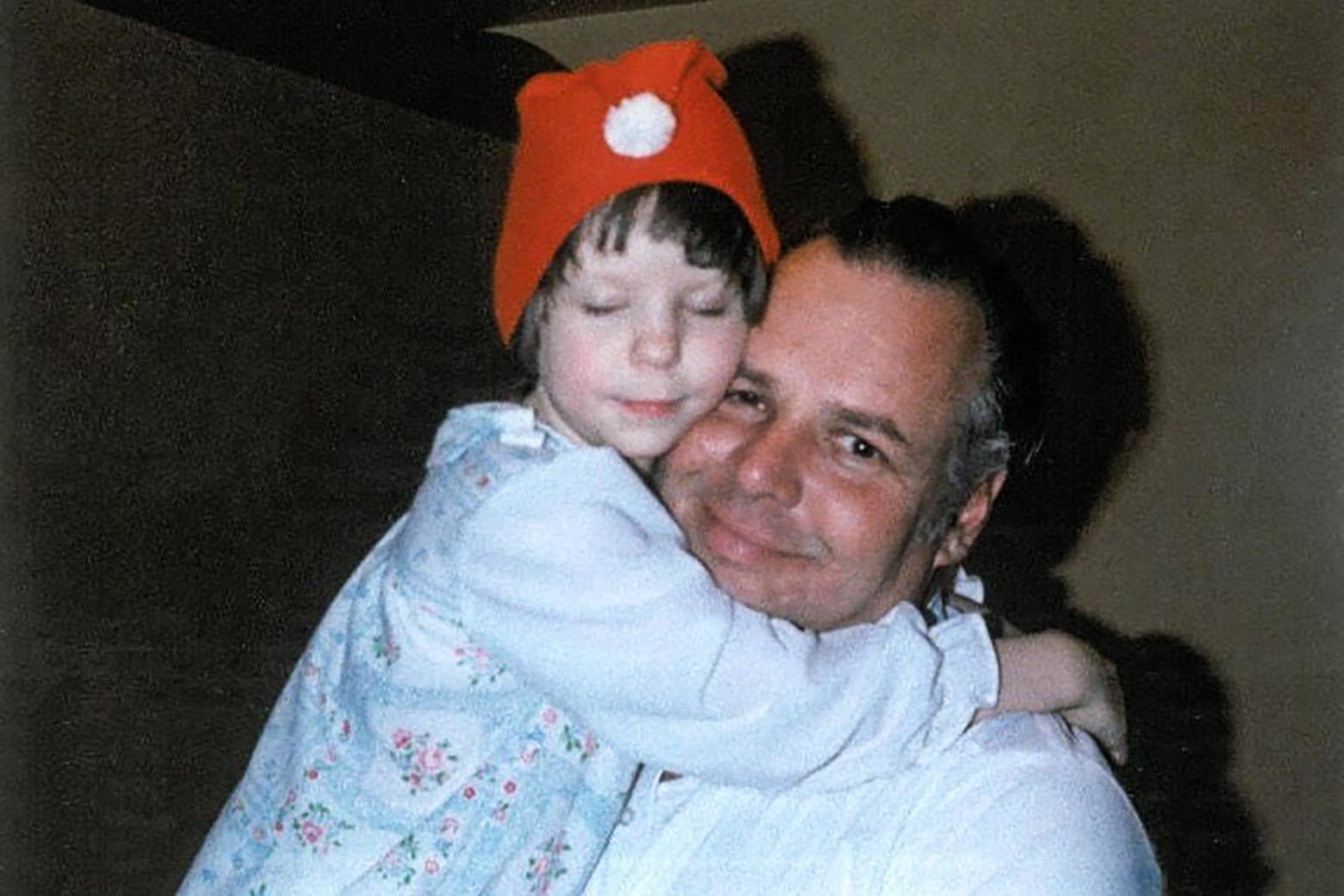
"I have hazy memories of fury, explosive but brief, in the initial days and weeks following my dad's disappearance. White-hot, it burst forth then burned out. But the anger itself went nowhere. It just changed and retreated underground."
"I spoke about my father rarely, but when I did, there was a common thread to the responses. I should be angrier, everyone told me. I couldn't handle that. I would just be so mad all the time."
"This guy would go home in an hour and forget his chivalrous posturing. I'd been a human magma chamber for 20 years. He knew nothing about real anger."
A father’s disappearance at a young age leads to a lifelong struggle with anger. Initial explosive fury gives way to a deeper, more persistent anger that remains unexpressed. The author reflects on societal expectations of anger, feeling misunderstood by those who suggest a more outward display of rage. Personal experiences reveal that true anger is often internalized, leading to feelings of sadness and dissociation rather than overt hostility. The complexity of anger is likened to a volcano, with emotions simmering beneath the surface.
Read at Slate Magazine
Unable to calculate read time
Collection
[
|
...
]