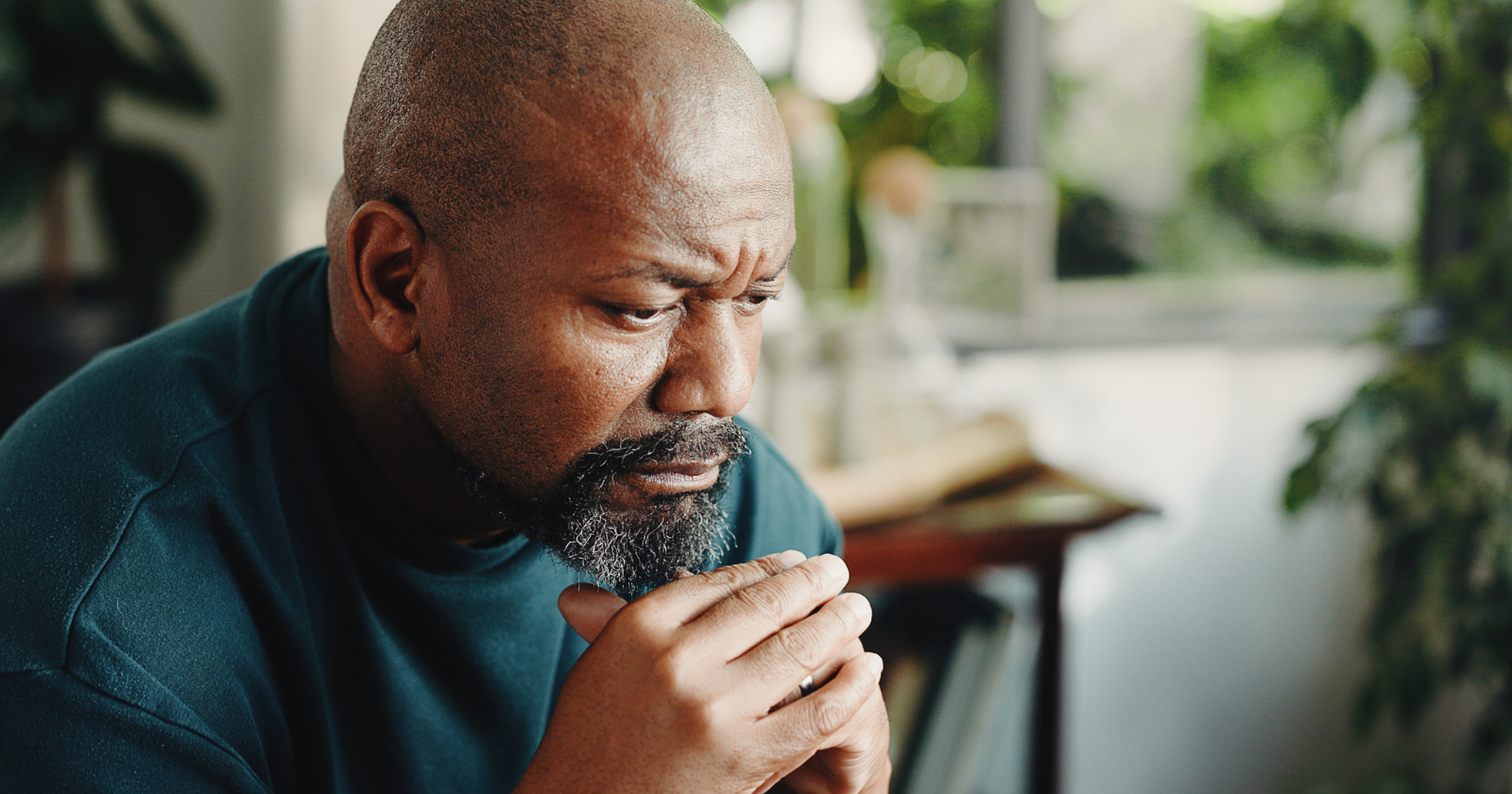
"Dr. Bessel van der Kolk writes in 'The Body Keeps the Score' that trauma doesn't just live in our minds - it reshapes how our bodies respond to emotion. Sometimes, when we experience significant loss, our nervous system essentially decides that feeling is too dangerous and shuts down the whole operation."
"And here's the thing nobody tells you about emotional numbness: it's not peaceful. It's not zen. It's like living behind thick glass, watching your life happen but not quite touching it."
After delivering a eulogy for his father, the author experienced a sudden onset of emotional numbness that persists three years later. Despite expecting waves of grief, tears never returned, replaced instead by a heavy numbness that feels worse than raw pain. Psychologists term this phenomenon 'emotional blunting' or 'affective flattening,' where emotional range compresses significantly. Research by Dr. Bessel van der Kolk indicates that trauma reshapes how bodies respond to emotion, with the nervous system sometimes deciding that feeling is too dangerous and shutting down emotional responses entirely. This numbness creates a disconnected experience, like living behind glass and watching life happen without fully touching it.
Read at Silicon Canals
Unable to calculate read time
Collection
[
|
...
]