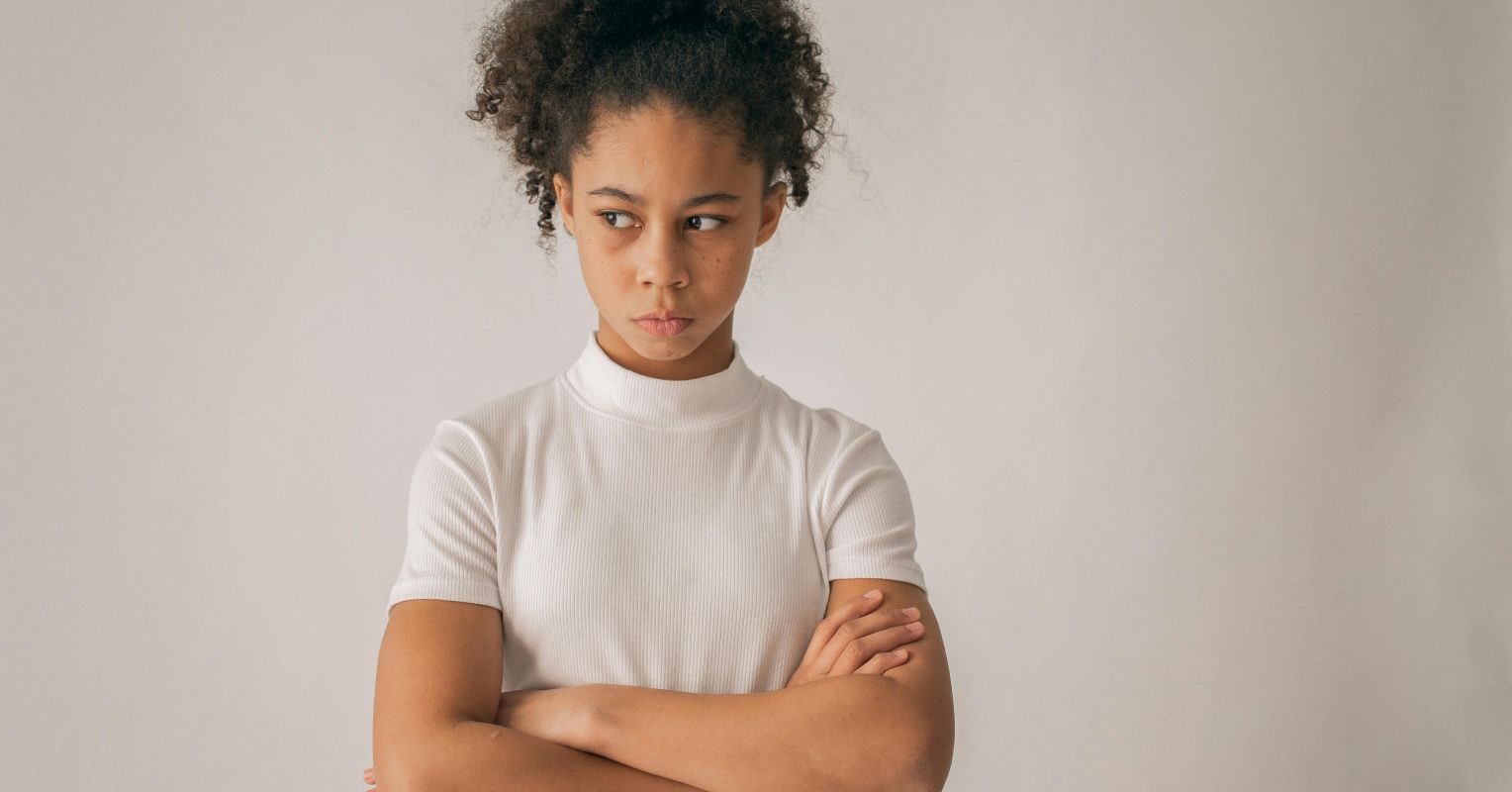
"Teens can retreat into themselves when they find themselves confronted by difficult emotional circumstances. At times it is important and constructive to leave them to themselves as they adjust to these challenges. Parents often find it emotionally troubling to watch as their child has difficulty and want to fix things. It is important for the development of independence that a child be left to learn how to work things out."
"Caring for your children includes raising them to leave you and, at this stage, offering support can often mean holding back and leaving them on their own to work things out. Rushing in to solve things will not help your child develop the resilience needed to handle strong or confusing feelings, and managing your own anxiety for your child will be your crucial challenge."
"Hillary was worried about her daughter, Stacey, 14, who seemed preoccupied and short-tempered recently. Upon approach, Stacey often snapped and curled more into herself. Hillary was at a loss when she brought this into her own therapy session. "How do I break through? Do I leave her alone? Why is she being this way? Is it serious?" When teenagers get struck by something emotional that they feel is hard to process or handle, they often retreat into themselves."
Teenagers often withdraw when confronted with difficult emotions, becoming preoccupied, short-tempered, and less reachable. Retreating into themselves allows teenagers to attempt self-calming and to process feelings independently. Parents commonly feel upset and want to intervene, but immediate problem-solving can impede the development of resilience and independence. Allowing teenagers space to work through emotions supports their capacity to regulate feelings and adapt to challenges. Parents should first identify and manage their own stirred-up emotions and anxieties before deciding how to respond. Providing support may mean holding back, resisting the urge to fix, and tolerating temporary distance.
Read at Psychology Today
Unable to calculate read time
Collection
[
|
...
]