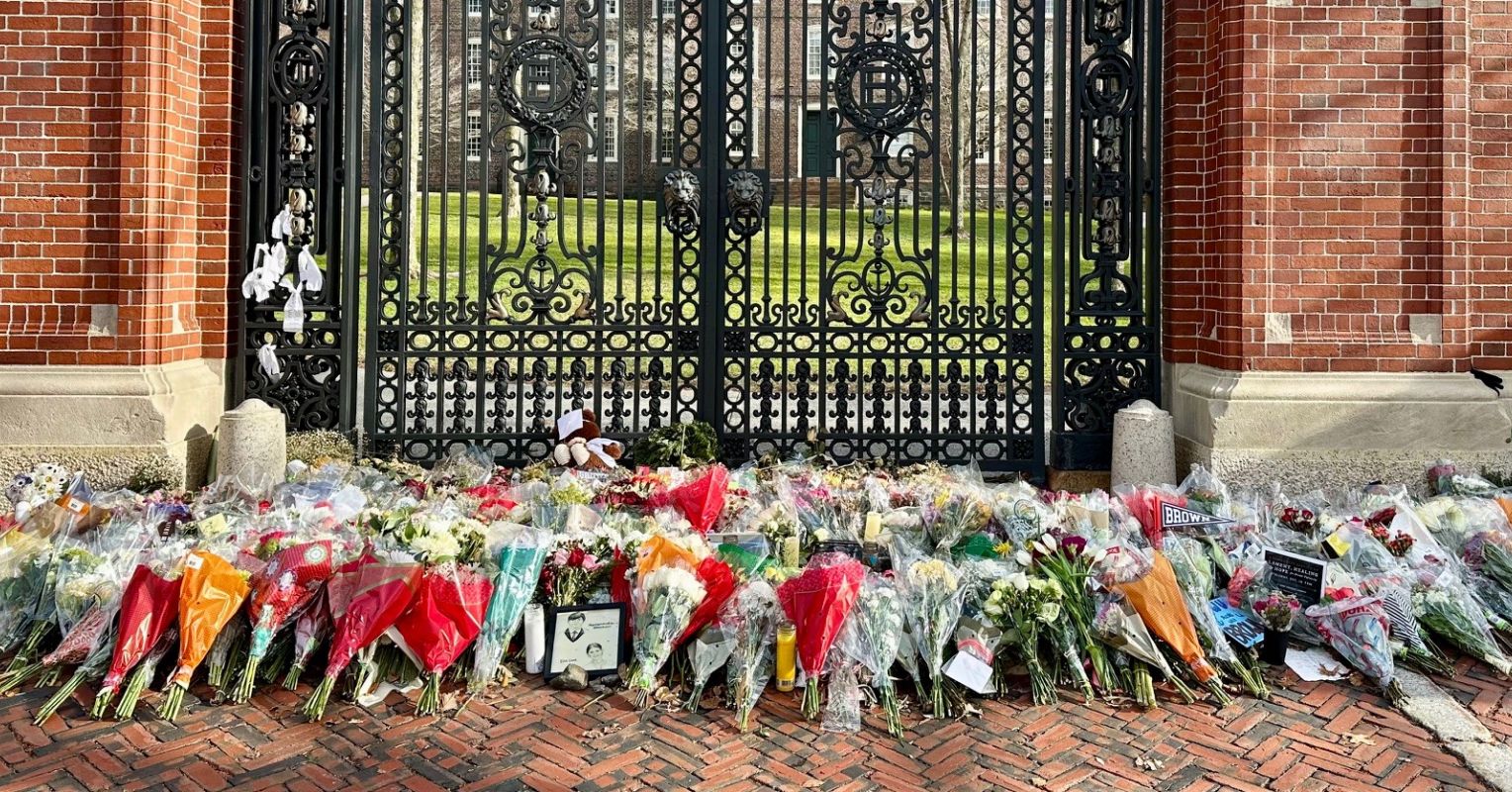
"As a psychologist with decades of experience in school crisis preparation and response, I thought I understood trauma symptoms and the recovery process. Then the mass shooting occurred at Brown University on December 13, 2025, and my child was a student on campus. Cognitively, I know that most people impacted will respond with resilience over time and may even experience growth. But over the past few weeks, my own feelings and behaviors didn't always match what I know and teach others."
"The non-linear process of healing is exhausting, especially for families and friends who are trying hard to figure out how to help. A myriad of tips have been shared, some of which have been very useful. But others have fallen flat for me, landing in categories I'd call non-specific (e.g., drink water), impossible (get enough sleep), or just not right (get to a therapist right away for specialized treatments)."
When crisis hits, overwhelm can happen when typical coping strategies aren't working. Recovery from crisis proceeds non-linearly with ups and downs that can exhaust families and friends trying to help. Simple, targeted acts and genuine connection can strengthen coping and create conditions for lasting resilience and growth. Common tips vary in usefulness; some are too general, unrealistic, or mismatched to immediate needs. Effective recovery matches supports to individual timing and needs, incorporates exploring feelings, generating new coping strategies, and building an action plan. Professional interventions may be appropriate when matched to readiness and specific needs.
Read at Psychology Today
Unable to calculate read time
Collection
[
|
...
]