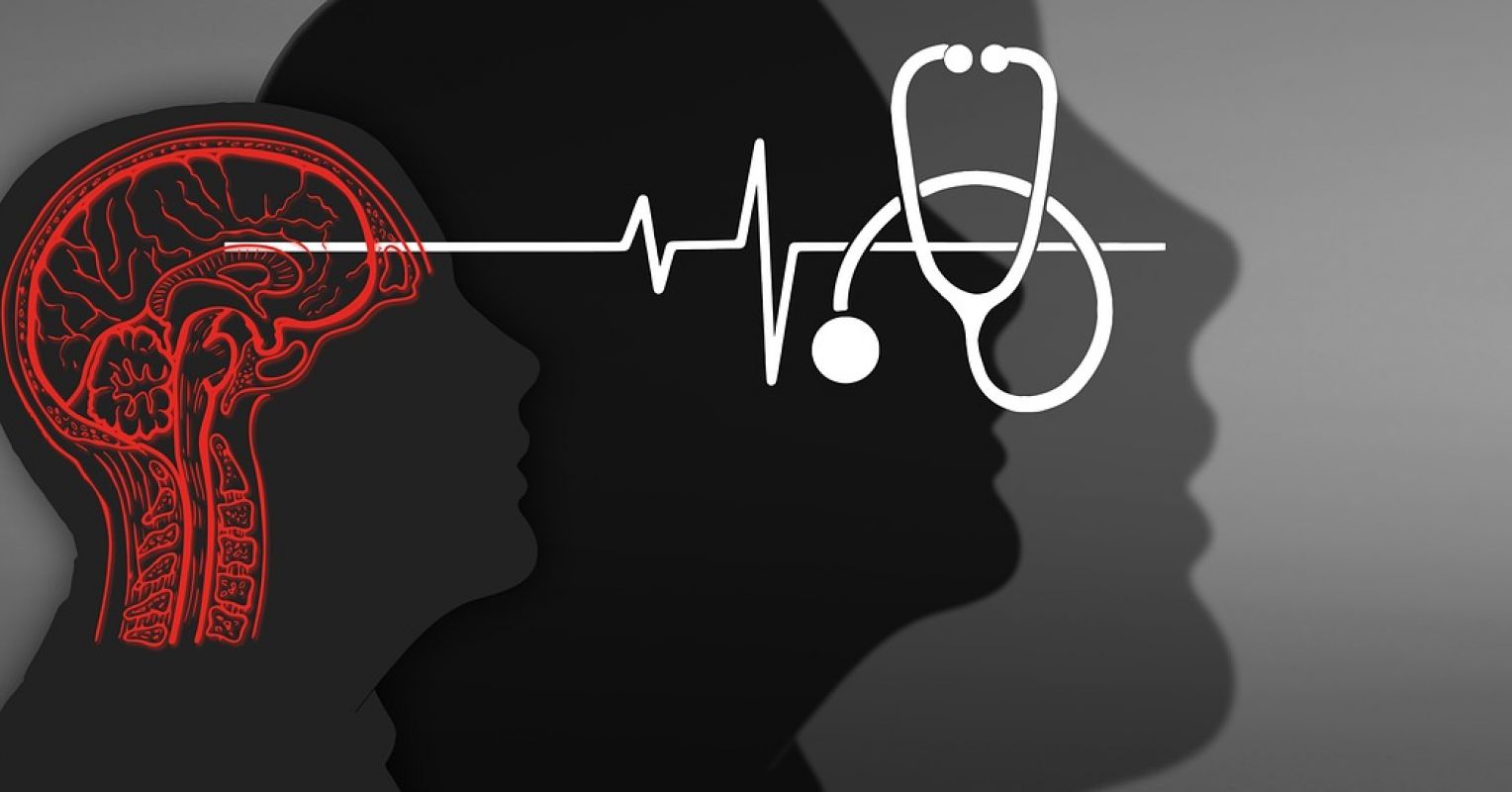
Mind and body are connected; brain health is body health. Advances in science and medicine have extended human lifespan and reduced mortality from many diseases. Many organs can be repaired or replaced, but the brain cannot be replaced. Neurons largely do not regenerate; humans are born with billions of neurons and lose them over time. Neurons can adapt by forming new connections (plasticity), enabling learning and compensation. Major causes of neuronal damage with aging include vascular injury and neurodegeneration driven by proteinopathy, energy failure, and inflammation. Understanding how neurons die is essential to slowing neuronal loss and protecting brain health.
"But there is one organ that cannot be replaced: the brain. Brain cells-called neurons-have a unique and sobering property. For the most part, they do not regenerate. We are born with billions of neurons, and once they die, they are gone. Every day, we have slightly fewer neurons than the day before. This is very different from blood cells, bone cells, or liver cells, which continuously regenerate."
"Neurons have an extraordinary ability to adapt by forming new connections-a property known as plasticity. This is the foundation of learning and compensation, and much of my writing has focused on this hopeful aspect of the brain. Today, however, I want to focus on a more " neuroscience-heavy" question: What causes brain cells to degenerate and die-and how can we slow that process?"
Read at Psychology Today
Unable to calculate read time
Collection
[
|
...
]