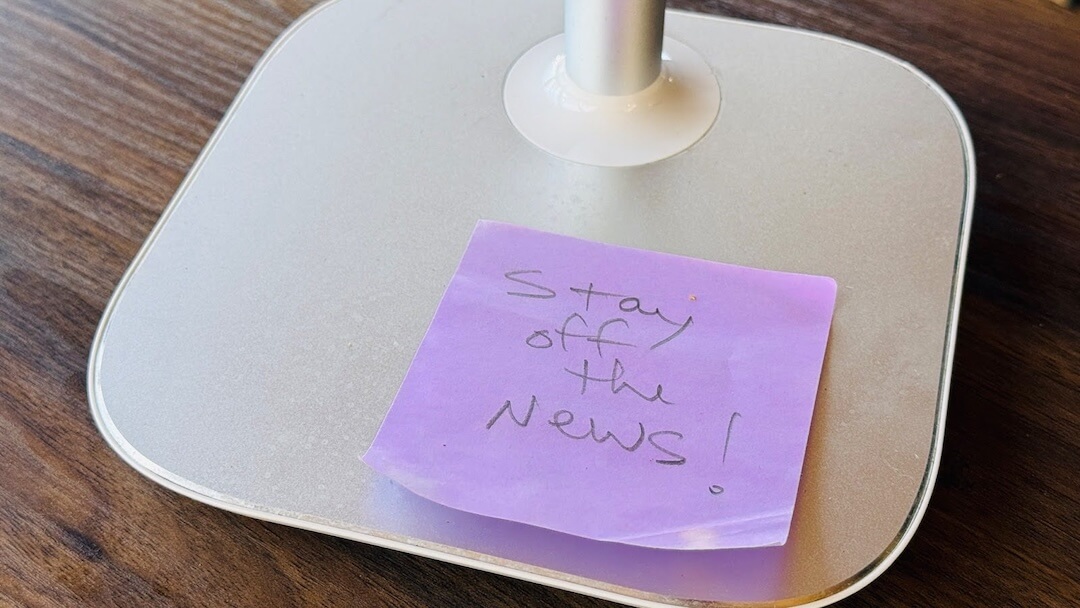
"I can remain informed, but traumatized, which significantly impacts my ability to sustain this kind of work, or stay willfully underinformed. But then, I have no idea of what all has happened in the last week, day, or even hour, leaving me alarmed when gas prices suddenly double out of the blue. Increased consumption of news puts me in a hypervigilant, easily startled, mistrustful and suspicious state of mind that's not sustainable for me."
"When I see the news, it affects me deeply - adding to the weight and knowledge of what my clients are dealing with on a regular basis. It's a serious dilemma because I believe I need to be kept in the loop, but the psychological cost of continuous exposure creates an unsustainable emotional burden."
"A Pew Research Center study released last month showed 80% of Americans feel like they should stay informed, yet 52% say they feel worn out by the amount of news."
A mental health therapist recommends limiting news consumption to prevent compassion fatigue and hypervigilance, despite the tension between staying informed and protecting mental wellbeing. The therapist experiences deep emotional impact from news combined with her clinical work, creating an unsustainable state of heightened anxiety and distrust. A Pew Research Center study confirms this widespread struggle: 80% of Americans believe they should stay informed, yet 52% report feeling worn out by news consumption. This dilemma affects even news professionals who traditionally maintained constant information awareness. The challenge lies in balancing the need for awareness with the psychological cost of continuous exposure to distressing global events.
Read at Poynter
Unable to calculate read time
Collection
[
|
...
]