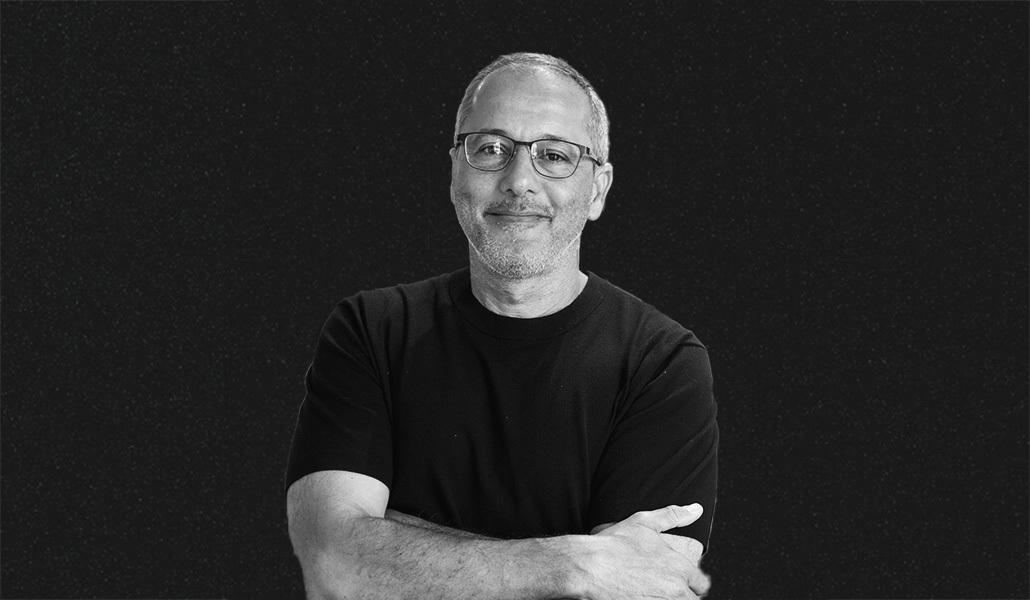
"Rembrand uses AI to work with both advertisers and publishers to improve the ad experience - since not everyone can comfortably afford to buy more costly ad-free access to content. Among other things, Rembrand uses uses a process called neural inverse rendering to digitally insert sponsored items into movies, shows and social media content made by millions of influencers across various platforms - rather than manually entering them. That automated process lends itself to investment through programmatic means."
"The first trend that we really tend to focus on when we built this business is that, over the past 10 years, there has been this massive flip in behavior. Ten years ago, when people watched video, 80% of the time was in high ad load environments, approximately 17 minutes an hour, which is like torture, right? And only 20% was in low ad load environments of five minutes on average. Fast forward 10 years and it literally flipped."
Rembrand applies AI and neural inverse rendering to automate digital product placement and sponsorship insertion across movies, shows, and influencer content. The automated approach makes product placements programmatically buyable and scalable. Advertising behavior shifted over the past decade from high ad-load viewing to a preference for low ad-load experiences, with many viewers paying to avoid interruptions. Rembrand aims to democratize ad-free-like experiences by enabling publishers and advertisers to monetize low ad-load environments. Omar Tawakol brings ad-tech experience and board roles at major firms, positioning Rembrand to bridge gaps in streaming and influencer monetization through technology-driven solutions.
Read at Digiday
Unable to calculate read time
Collection
[
|
...
]