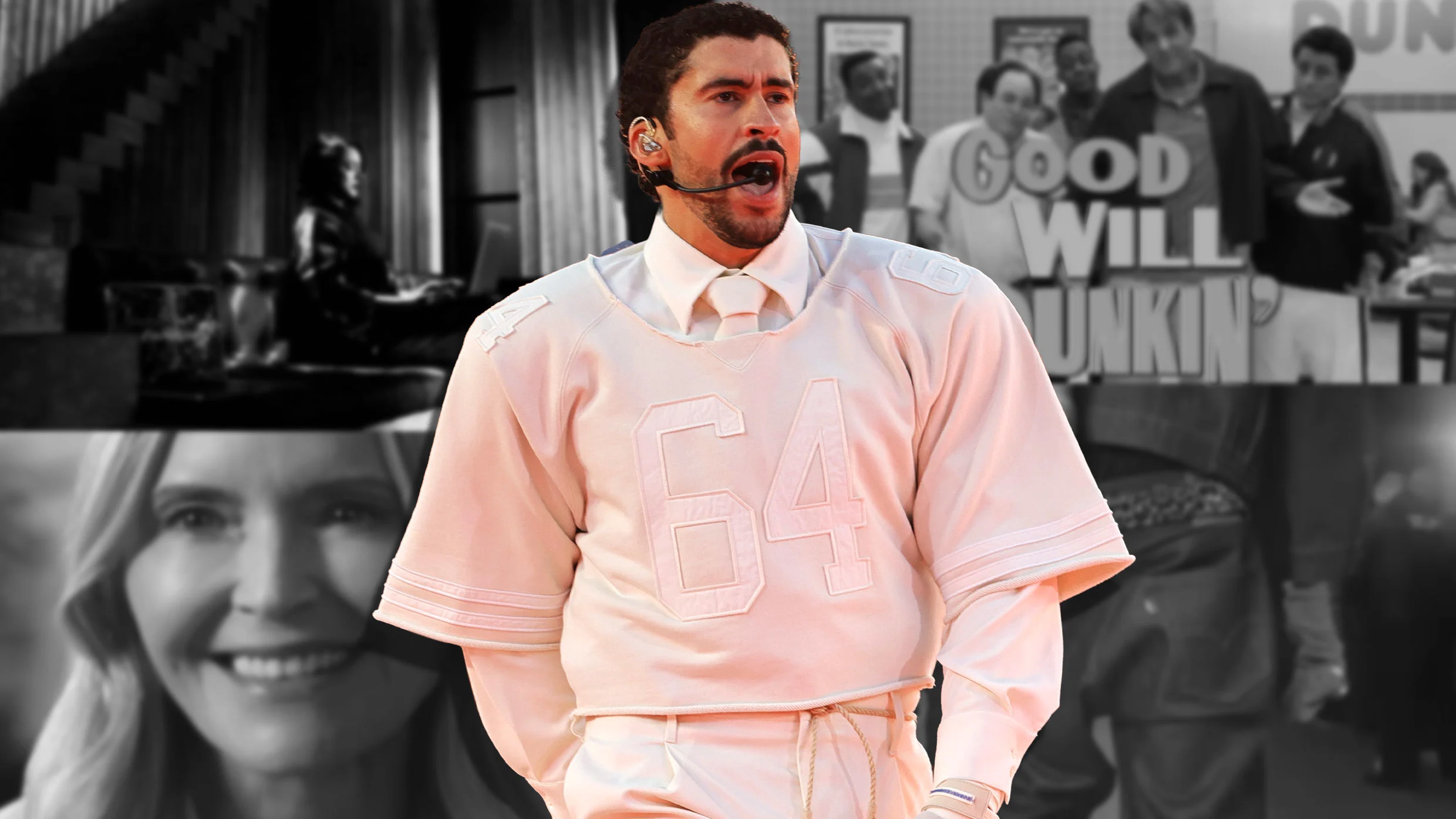
"I have to say that the on-field game wasn't much of a contest, kind of a blowout, but plenty of trick plays and Hail Marys in the ad battle. The cost for a 30-second ad this year was somewhere between $8 [million] and $10 million to place. You talk about ROMI-return on marketing investment-what's worthwhile, what breaks through. Just quick off the bat, any big winners or losers that jumped out at you?"
"So I thought that that ad was sincere. You saw a lot of insincere use of celebrity. The only winners this year from a celebrity standpoint were the celebrities who got paid. Okay? A lot of brands used celebrities in ways that they really did not need to do that. Over $250 million was spent on celebrity placements for these Super Bowl ads. That's a quarter of a billion dollars."
Super Bowl LX featured high-budget advertising where 30-second spots cost roughly $8–10 million. Anthropic, Rocket, Pepsi, and Dunkin achieved notable breakout success. Celebrity placements cost over $250 million, and many celebrity appearances felt insincere; only celebrities who were paid clearly benefited. Sincere creative, nostalgic storytelling, and strategically deployed celebrities drove ROMI. Lady Gaga's Mr. Rogers homage and Dunkin's nostalgia-focused spot exemplified effective emotional resonance. Bad Bunny's halftime show created measurable business impact with implications for the NFL and partners such as Apple. Overall marketing trends point toward authenticity, targeted experiential moments, and more disciplined celebrity investment.
Read at Fast Company
Unable to calculate read time
Collection
[
|
...
]