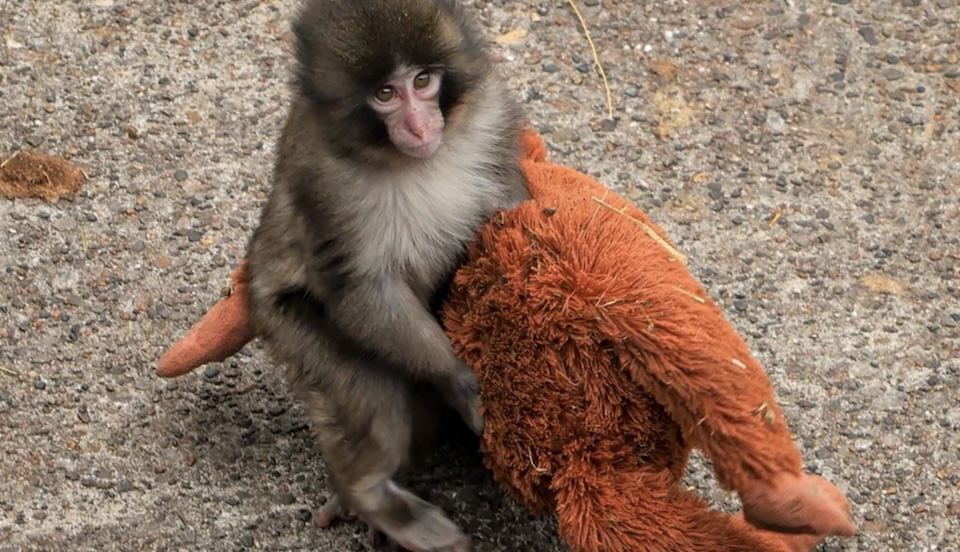
"Narrative Beats Production Values. Punch's fame didn't come from a 4K nature documentary. It came from a story of rejection and resilience. The Ichikawa City Zoo didn't just post 'cute' photos. They specifically asked the public to 'support Punch's effort' as he integrated with older, aggressive monkeys. They gave us a hero's journey. AI is a tool to amplify the story, not replace it."
"The High Stakes of Reality. We care about Punch because he is vulnerable. There are physical stakes when he interacts with his troop; it's a high-wire act of real emotion. This is exactly why 'digital resurrection,' like the AI-generated voice of Anthony Bourdain in Roadrunner, sparked such a fierce debate. Stakes vanish when your subject is a prompt puppet."
"In our rush to automate creativity, the goal isn't just more content—it's more meaning. In a world of ubiquitous 'make-believe' (anime obsessions, faux reality TV, immersive video games), consumers crave something real. Punch didn't go viral because of a high-spec render. He went viral because he was abandoned by his mother and found comfort in a $15 Ikea Djungelskog orangutan."
In an era of ubiquitous AI-generated content and digital artifice, genuine stories with real emotional stakes create deeper consumer connection than technical perfection. The viral success of Punch, a Japanese macaque who bonded with a stuffed toy after maternal rejection, demonstrates that narrative authenticity matters more than production quality. Brands should leverage AI as a tool to amplify real stories rather than replace them. The key to moving the needle involves prioritizing genuine human experiences, vulnerability, and real-world consequences over polished but hollow content. First-mover advantage and authentic brand responses to real moments create lasting impact.
Read at Muse by Clios | Discover the latest creative marketing and advertising news. Muse by Clio is the premier news site covering creativity in advertising and beyond.
Unable to calculate read time
Collection
[
|
...
]