"It was mid-September, and I was standing in line for a kids' train ride when a guy's shirt caught my eye. It was royal blue, covered with Star Wars starfighters - X-wings, B-wings, A-wings. The whole alphabet soup. Ten years ago, I would have bought that shirt on sight. This time, I realized I didn't care at all. Every ounce of passion I once had for George Lucas's universe was gone."
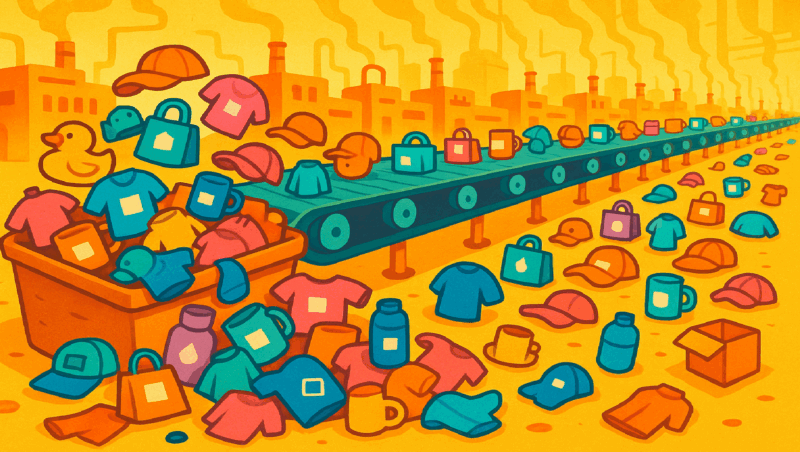
"The company's recent films lost more than $1 billion, park attendance is stagnating and Disney+ subscriptions are declining. This is not a business on the rise. And yet, Disney is still printing money. That's when everything clicked - Disney isn't an entertainment or theme park company. It's a merchandising company, and it's exceptionally good at it. I started studying Disney's billion-dollar merchandising engine. Five key marketing lessons emerged that marketers should take note of."
A Star Wars shirt prompted recognition of waning personal passion for the franchise after Disney's stewardship. Company film releases recently lost over $1 billion, park attendance has stalled, and Disney+ subscriptions are falling. Despite these setbacks, merchandising remains highly profitable and drives overall revenue. Disney prioritizes emotional real estate over physical placement, cultivating customer attachment so buyers actively seek branded products. Emotional gravity reduces reliance on awareness campaigns and physical shelf space. The merchandising engine capitalizes on franchise pull and yields five practical marketing lessons, beginning with valuing emotional real estate above physical real estate.
Read at MarTech
Unable to calculate read time
Collection
[
|
...
]