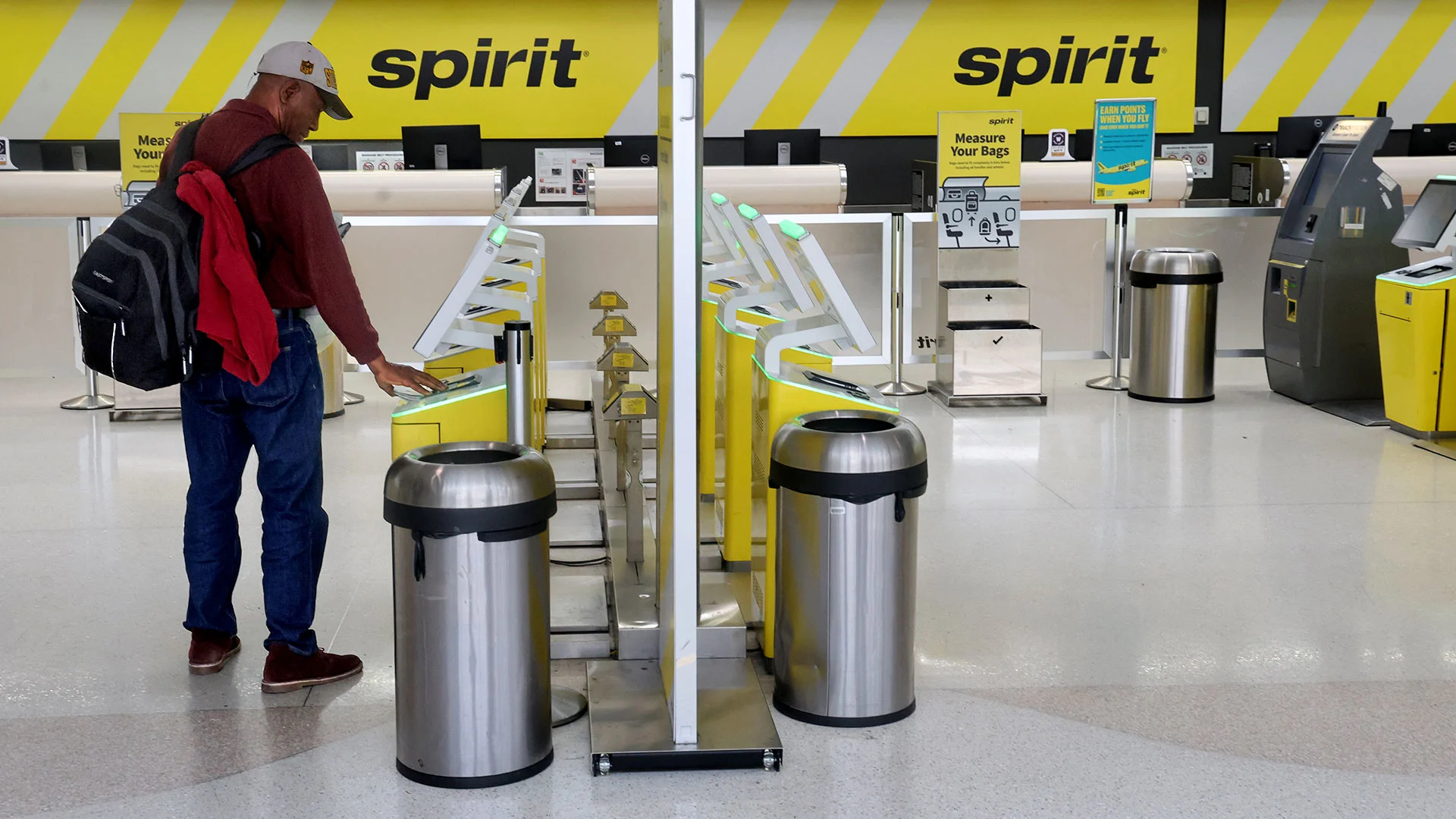
"We apologize most specifically for those Americans who may now be priced entirely out,” Spirit lawyer Marshall Huebner said in court, thanking all the passengers who relied on the airline during its 34-year run, many of whom, he said, “could not otherwise have afforded air travel.”"
"Rising jet fuel costs tied to the Iran war have pushed up airfares and associated fees across the commercial aviation industry. Two of the remaining U.S. budget carriers just finalized a merger. The uncertain outlook for economical air travel reflects how difficult it has become for low-cost, no-frills airlines to operate while squeezed by volatile fuel prices, inflation and increasingly fierce competition."
"While budget airlines appeal to customers motivated by fare prices alone, traditional carriers can more easily generate revenue to offset fuel costs through premium cabins, membership rewards, corporate travel programs, add-on charges and pricing algorithms. “Dynamic pricing has taken away one of the last structural advantages that low-cost carriers had,” said Shye Gilad, a former airline captain who now teaches at Georgetown University."
"For decades, low-cost carriers thrived by offering fares that traditional airlines often couldn't match without losing money. But that edge has weakened as the “big three” - American, Delta and United - got better at tailoring prices to different travelers, and as JetBlue, Southwest and other airlines that long positioned themselves as less expensive alternatives began chasing higher-paying customers."
A lawyer for Spirit Airlines apologized to customers who may now be priced out of affordable flights after the airline’s bankruptcy. Spirit’s demise follows broader pressures on low-cost carriers, including rising jet fuel costs linked to the Iran war, inflation, and tougher competition. Two remaining U.S. budget carriers finalized a merger, adding to uncertainty for economical travel. Low-cost airlines struggle to operate when fuel prices and fees rise, while traditional carriers offset costs through premium cabins, rewards programs, corporate travel, add-on charges, and pricing algorithms. Dynamic pricing has reduced a structural advantage for low-cost carriers, and major airlines have improved tailoring prices to different travelers. Some airlines that once targeted lower fares now pursue higher-paying customers as well.
Read at Fast Company
Unable to calculate read time
Collection
[
|
...
]