Washington DC
fromThe New Yorker
3 days agoFrom the Spirit Effect to the Spirit Dilemma
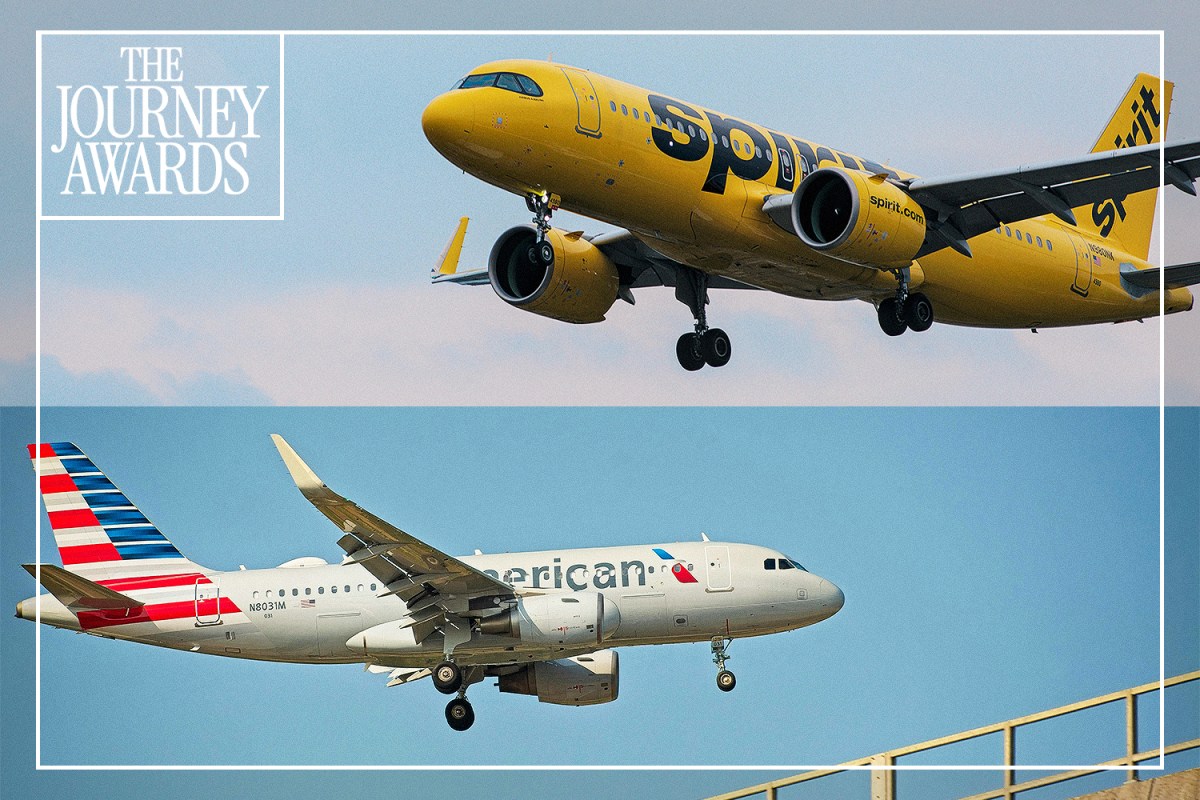
Ultra-discount airlines struggle in the U.S. due to higher costs, regulatory and operational constraints, and weaker demand stability than in Europe.
Spirit will emerge as a strong, leaner competitor that is positioned to profitably deliver the value American consumers expect at a price they want to pay. The early-stage agreement would help Spirit finalize changes to its fleet, route network and cost structure as it works toward emerging as a new Spirit - a smaller, leaner carrier still focused on offering low fares but with more options like premium economy and its version of first-class seating with more legroom.
Many of the lowest fares came from regional and secondary airports rather than the country's largest hubs. That's partly because smaller airports operate a little differently, with lower costs, fewer delays, and more low-cost carrier routes. They're also less likely to see the sharp price jumps that hit major hubs as flights fill up, which helps keep fares steadier-even during busy travel periods.
In 2019, WOW Air, known for its low-cost flights from the U.S. to Iceland (and from Iceland to the rest of Europe), abruptly ceased operations, leaving plenty of passengers around the world stranded. This week might bring with it a sense of deja vu, as an airline founded by several WOW alumni - PLAY, which took a similar approach to low-cost international travel - has also announced that it's flown its last flight.