The war is constraining oil exports and prompting major producers like Kuwait, Saudi Arabia and Iraq to scale back output as shipments face growing obstacles. Iran has attacked commercial ships across the Persian Gulf and targeted oil infrastructure in Gulf Arab nations following U.S. and Israeli strikes. The attacks have effectively halted traffic through the Strait of Hormuz, a narrow passage that carries about one-fifth of the world's oil supply.
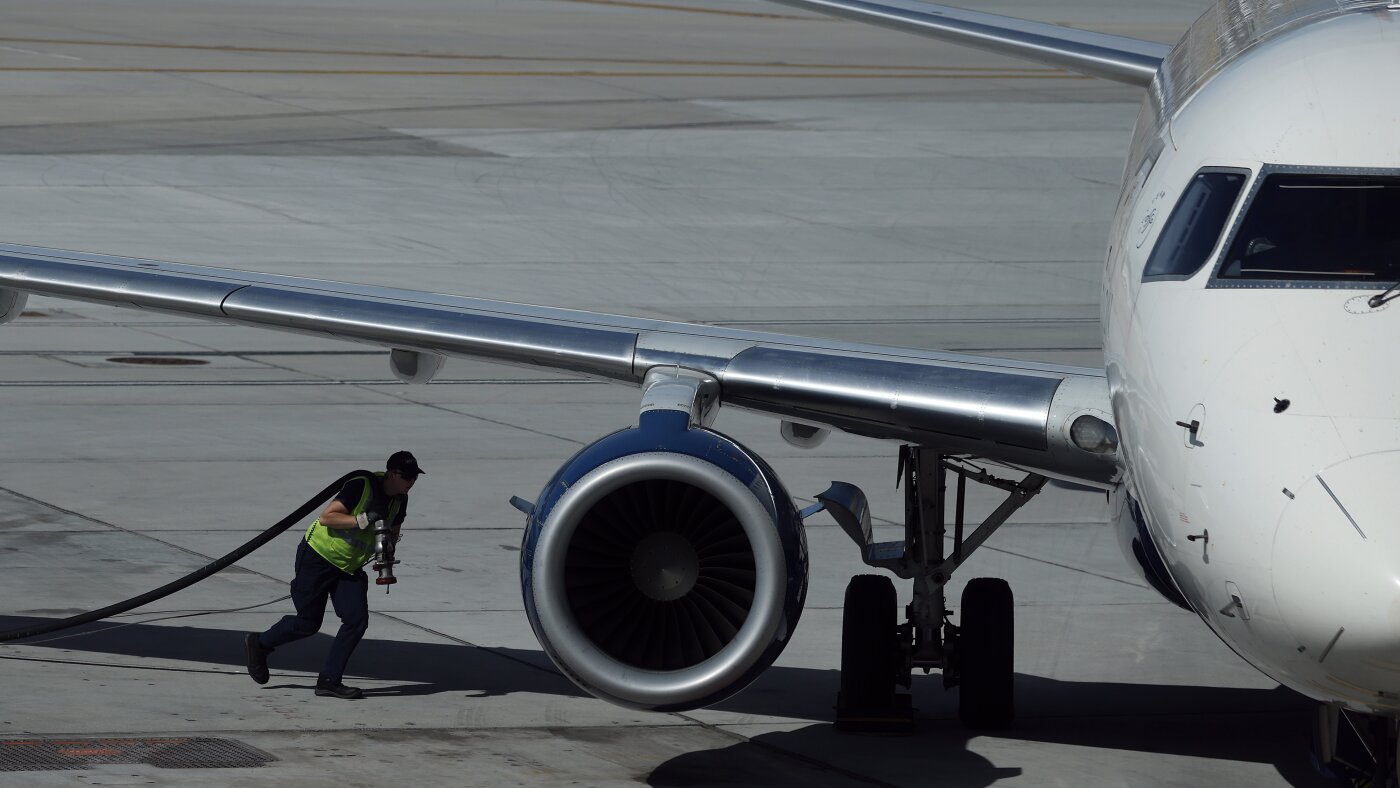
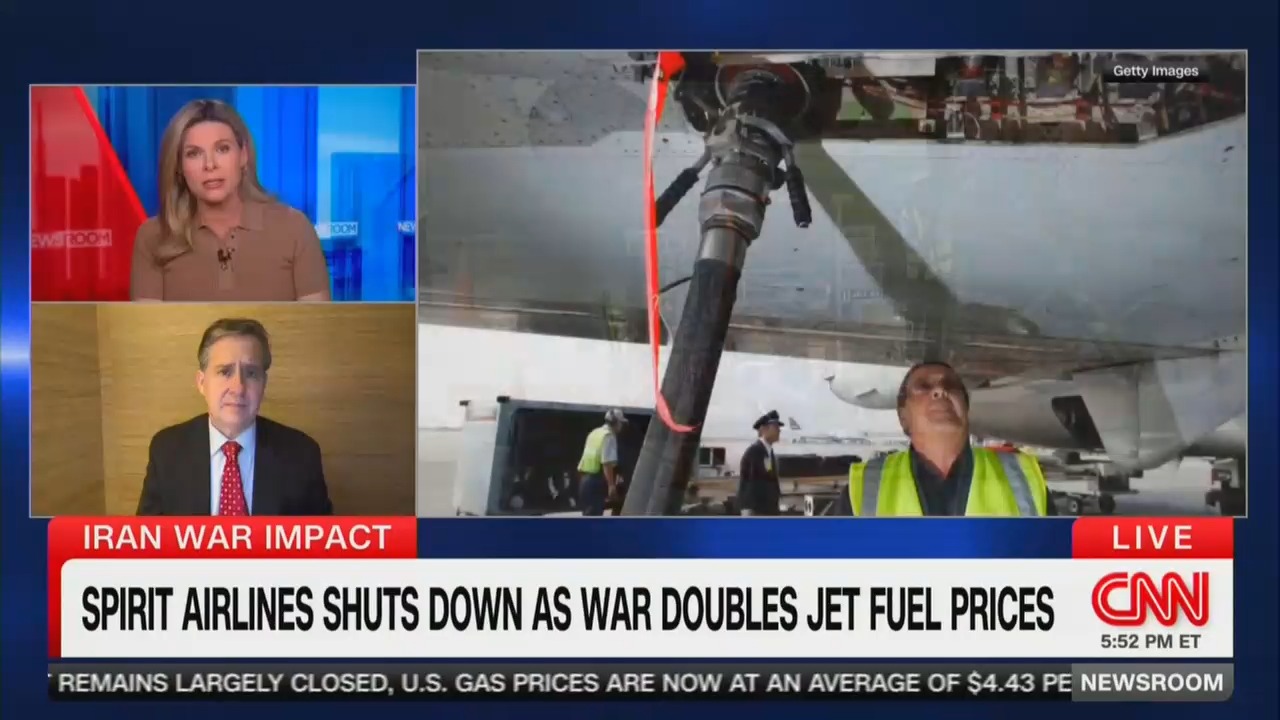
Since Iran virtually shut down the vital Strait of Hormuz this week - through which tanker ships carry 20% of the world's supply - crude oil prices have skyrocketed, and jet fuel prices in some markets have reportedly doubled. U.S. jet fuel prices jumped by 58% during the first week of the war, and United Airlines CEO Scott Kirby said the impact on airfares will "probably start quick."
Jet fuel alone accounts for somewhere between 25 and 35 percent of airlines' costs. The next stop is higher ticket prices. It's already happening, to some degree. Several airlines, including Air Asia and Hong Kong Airlines, have explicitly said they're adding to their usual fuel surcharges.