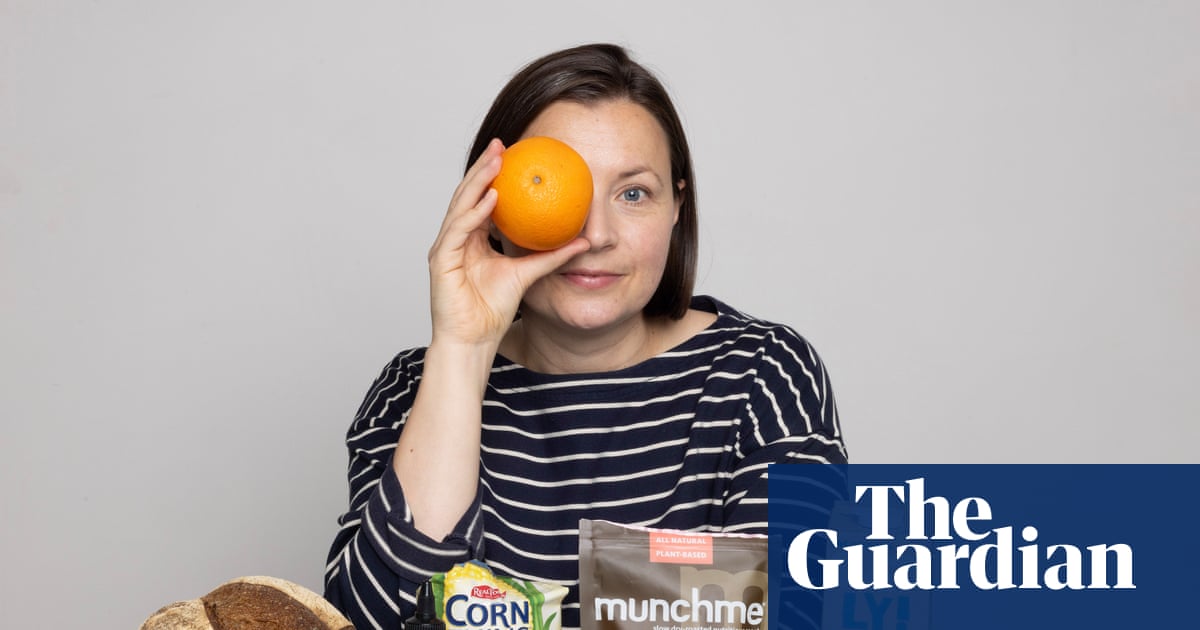
Lifetime exposure to ultra-processed foods included breakfasts of Coco Pops, Rice Bubbles or white toast with spreadable butter, dinners with processed sauces, and lunchboxes with flavoured chips and plasticky cheese. Packaged foods remain omnipresent and are common in parenting routines through cartons of juice and flavoured yoghurt. A 2025 global report linked UPFs to type 2 diabetes, heart disease and depression, and Australia ranks among the highest UPF consumers. Experts advise avoiding products with long ingredient lists, steering clear of middle supermarket aisles, and avoiding chemical-sounding ingredients. UPFs are deeply engineered into food systems, making avoidance difficult in everyday life.
"I've been eating ultra-processed foods (UPFs) all my life. Breakfast as a child was often Coco Pops, Rice Bubbles or white toast slathered in spreadable butter. Dinners usually involved processed sauces, such as Chicken Tonight or Dolmio, and my lunchboxes always contained flavoured chippies or plasticky cheese. I don't blame my parents for this. Now I'm a parent too, I have cartons of juice and flavoured yoghurt as part of my parenting arsenal."
"Packaged foods are omnipresent in our lives. But, unfortunately, some of these foods are very bad for our health. In 2025, a global report linked UPFs to multiple adverse health outcomes, including type 2 diabetes, heart disease and depression. Alongside the US and the UK, Australia is one of the highest consumers of UPFs. A fact that feels unsurprising but still alarming."
"Feeling ambitious, I call Prof Mark Lawrence from Deakin University to help me understand the difference between processed food and ultra-processed food. A rough rule of thumb, he says, is to avoid products with a long list of ingredients. Steer clear of the middle supermarket aisles, and don't buy products made with chemical-sounding ingredients. Those are a big clue that it's ultra-processed, he says."
Read at www.theguardian.com
Unable to calculate read time
Collection
[
|
...
]