"Broccoli stems don't tend to rouse strong emotions. Most home cooks toss them in the trash or compost without a second thought. But when I threw out some broccoli stalks-tough and woody ones, let it be known-while cooking dinner recently, guilt overcame me. I could have pickled those stalks; I could have boiled them and turned them into pesto. Instead, I had turned them into landfill."
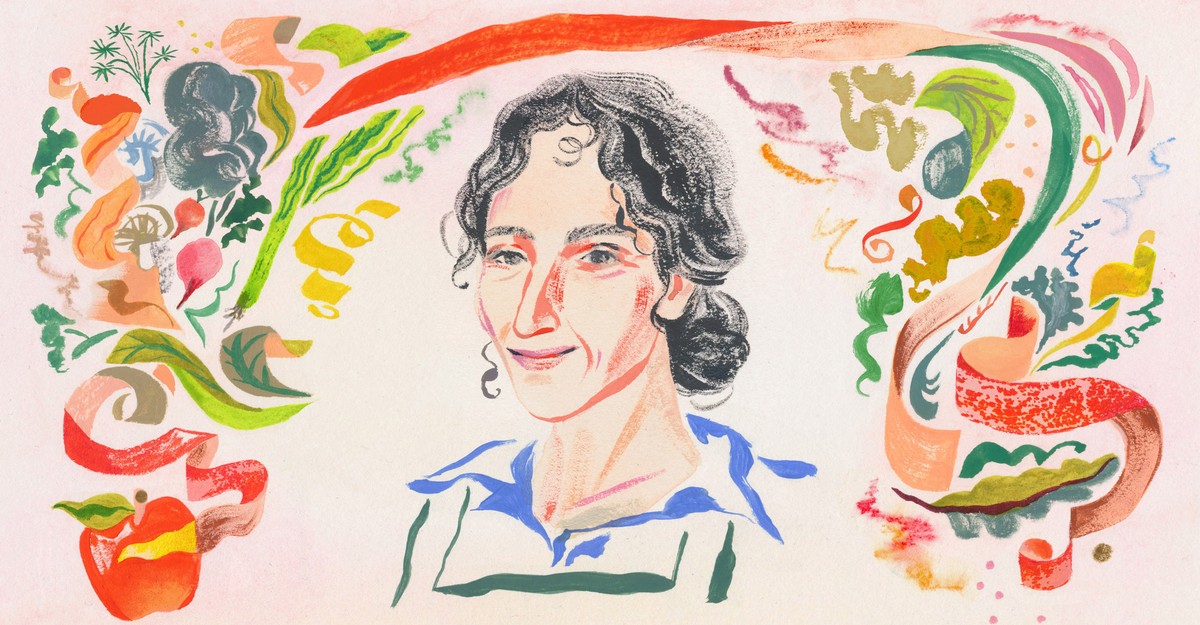
"Adler's goal isn't to guilt her audience: She wants to get cooks excited about kitchen refuse, to help them see cast-offs as ingredients in their own right. She wrote An Everlasting Meal, she told me recently, to convince people that when you throw usable food scraps away, "you're just creating an extra problem for yourself-a dual problem." Not only do you have more garbage to deal with, you also have to go buy more food."
Broccoli stems and similar kitchen scraps are frequently discarded despite being usable in pickles, pestos, broths, and other preparations. The United States discards an estimated 30 to 40 percent of its food supply, creating environmental burden and increased household costs. Treating scraps as ingredients reduces garbage and the need to buy more food. The practice blends pragmatic savings with an ethical sensibility that empathizes with discarded food and recognizes the link between aesthetic waste and food insecurity. Reimagining cast-offs as useful components can make cooking more resourceful and less wasteful.
Read at The Atlantic
Unable to calculate read time
Collection
[
|
...
]